
Esta página aún no ha sido traducida y se muestra en inglés.
Okunoshima
Investigado y escrito por Hinato
Prefectura de Hiroshima · Takehara
34.3337°N, 132.9866°E
Okunoshima is a 4.3-kilometre island in the Seto Inland Sea with around seven hundred wild rabbits on it and a very dark reason for being empty in the first place. From 1929 the Japanese army manufactured poison gas here, and the island was removed from published maps to conceal it. The ruins of the plant, the power station and the storage bunkers are still standing in the undergrowth.
The Poison Gas Museum, opened by the town, sets out the production history with the ceramic storage vessels, protective suits and photographs of workers injured by exposure. It is small, it is unflinching, and it costs ¥150. The rabbits came later and are not descended from test animals, whatever the story you will hear. Ferries run from Tadanoumi in about twelve minutes.
Información esencial
Horario
Island accessible by ferry roughly 7:40 AM – 6:40 PM | Poison Gas Museum 9:00 AM – 4:00 PM
Cerrado: Museum closed over the New Year, with occasional unscheduled closures — confirm before travelling
Entrada
Ferry ¥310 one way | Poison Gas Museum ¥150 for ages 19 and over, free below
Mejor temporada
Year-round | Spring and autumn for cycling the island
Duración de la visita
Half a day including the ferry
Cómo llegar
Información de acceso
Guía privilegiada
Lugares cercanos
Los lugares secretos más cercanos a Okunoshima, por distancia en línea recta.
 妖精書士 / CC BY-SA 3.0
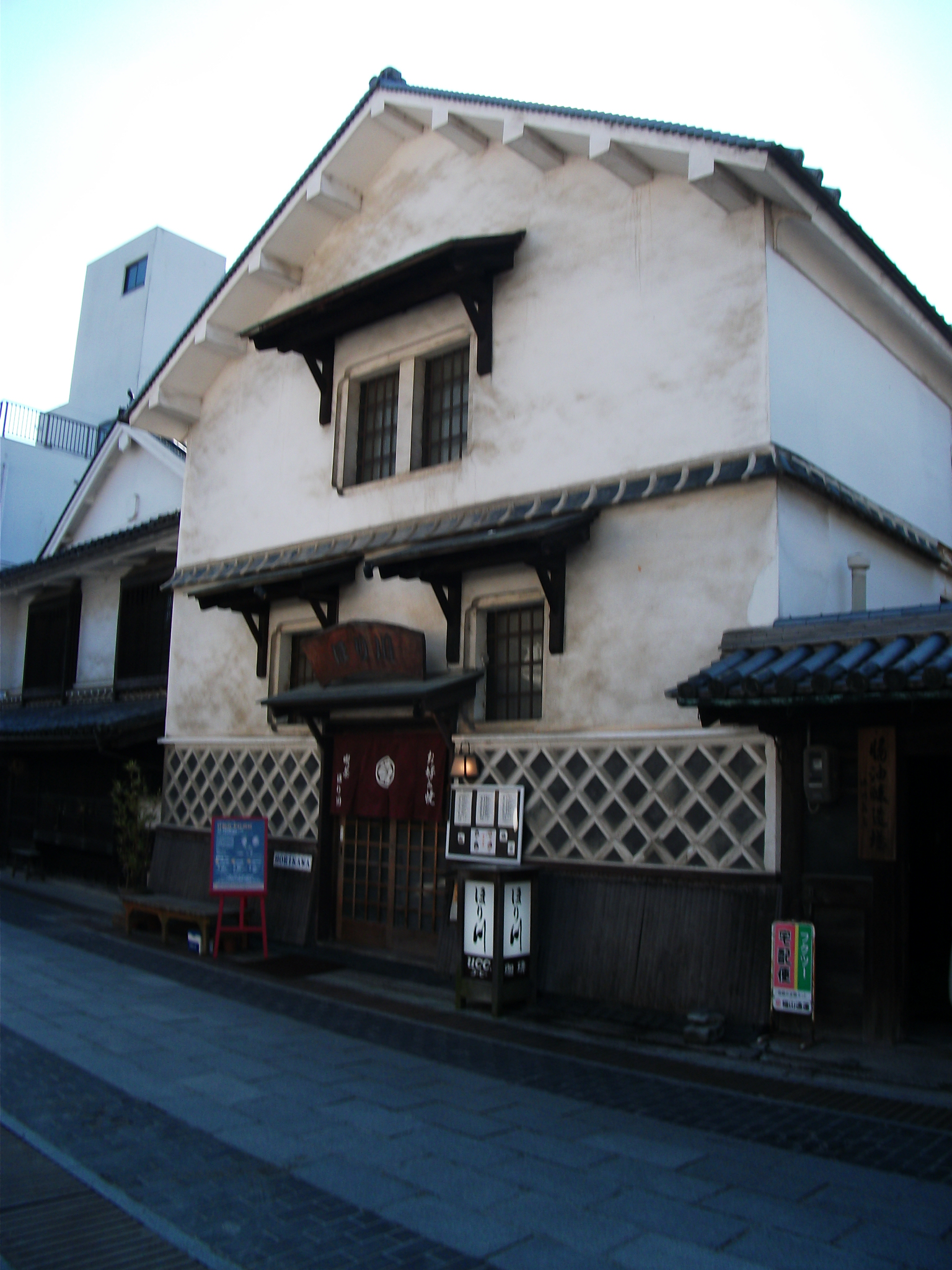
Takehara Preservation District
Locally knownTakehara made its money from salt and sake. The Seto Inland Sea coast here was laid out as evaporation flats in the seve…
 そらみみ / CC BY-SA 4.0
Omishima Island
Locally knownOmishima is the largest island on the Shimanami Kaido cycling route, home to Oyamazumi Shrine which houses Japan's most…
 Fabimaru / CC BY-SA 4.0
Kosanji Temple
Little knownKosanji was built by an industrialist who took Buddhist orders after his mother's death and spent thirty years and a for…
 そらみみ / CC BY-SA 4.0
Oyamazumi Shrine
Locally knownOyamazumi is the head shrine of some ten thousand Mishima and Yamazumi shrines and the deity is the god of mountains, se…
 そらみみ / CC BY-SA 4.0
Innoshima Suigunjo
Little knownThe Murakami were not pirates in the sense the English word implies. They controlled the passages of the central Inland…
 Kzaral / CC BY 2.0
Mitarai
Locally knownBefore engines, ships waited for the tide. Mitarai sits on Osakishimojima where the currents are gentler than on the sur…
Más en Prefectura de Hiroshima
 Taisyo / CC BY 3.0
Mazda Museum
Locally knownThe Mazda Museum (マツダミュージアム) in Hiroshima's Fuchu district offers an in-depth look at Mazda Motor Corporation's history,…
 Ilustración: no es una fotografía
Momiji Manju
Locally knownMomiji manju (もみじ饅頭, 'maple leaf manju') is Hiroshima and Miyajima's iconic confection — small, maple leaf-shaped cakes…
 そらみみ / CC BY-SA 4.0
Hiroshima Castle
Locally knownHiroshima Castle (広島城), nicknamed 'Carp Castle' (鯉城, Rijō) for the carp that once swam in its moats, is a reconstructed…