
Esta página aún no ha sido traducida y se muestra en inglés.
Takehara Preservation District
Investigado y escrito por Hinato
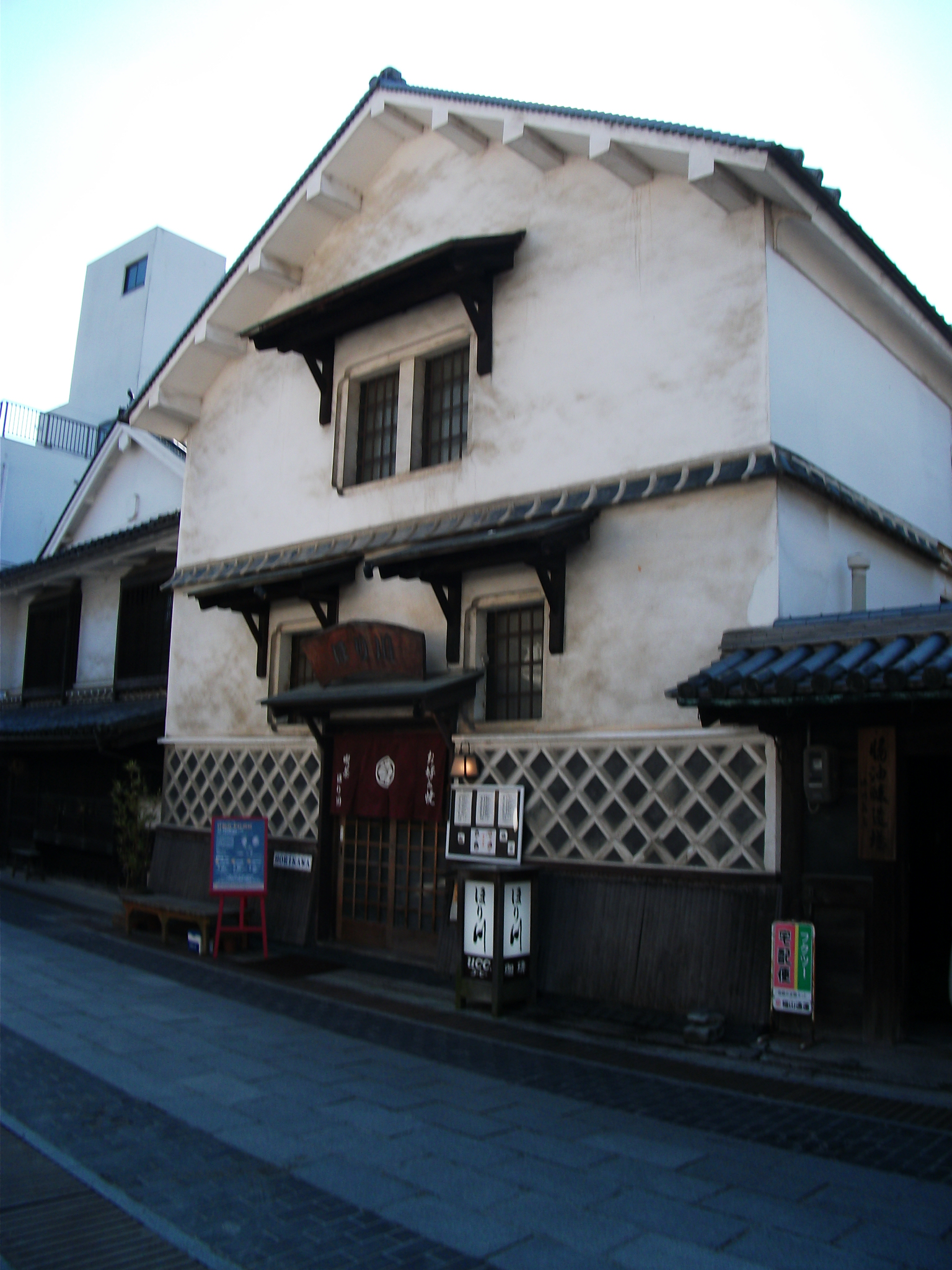
Photo: 妖精書士 / Wikimedia Commons (CC BY-SA 3.0) · original
Takehara made its money from salt and sake. The Seto Inland Sea coast here was laid out as evaporation flats in the seventeenth century, the merchants who ran them built themselves substantial houses, and because the industry declined without the town being redeveloped, the houses are still standing. It is a national preservation district and is called the little Kyoto of Aki.
What distinguishes it from other preserved streets is the detail: individually designed window lattices, no two the same down the length of a block, and doorways set with different stone. Above the street stands Fumeikaku, a stage-built hall of 1758 modelled on Kiyomizu-dera in Kyoto, reached by steps and free to enter, with a view over every tiled roof in the quarter. Takehara is also where Nihonshu's Taketsuru Masataka was born.
Información esencial
Horario
Streets open at all times | Saihoji and Fumeikaku roughly 8:00 AM – 6:00 PM
Cerrado: Streets open year-round | Individual house museums have their own rest days
Entrada
Free streets | Fumeikaku free | House museums charged individually
Mejor temporada
Year-round
Duración de la visita
2 hours
Cómo llegar
Información de acceso
Guía privilegiada
Lugares cercanos
Los lugares secretos más cercanos a Takehara Preservation District, por distancia en línea recta.
Okunoshima
Little knownOkunoshima is a 4.3-kilometre island in the Seto Inland Sea with around seven hundred wild rabbits on it and a very dark…
 そらみみ / CC BY-SA 4.0
Omishima Island
Locally knownOmishima is the largest island on the Shimanami Kaido cycling route, home to Oyamazumi Shrine which houses Japan's most…
 そらみみ / CC BY-SA 4.0
Oyamazumi Shrine
Locally knownOyamazumi is the head shrine of some ten thousand Mishima and Yamazumi shrines and the deity is the god of mountains, se…
 Fabimaru / CC BY-SA 4.0
Kosanji Temple
Little knownKosanji was built by an industrialist who took Buddhist orders after his mother's death and spent thirty years and a for…
 Lumi iori / CC BY-SA 3.0
Saijo Sakagura Street
Little knownSaijo is named alongside Fushimi in Kyoto and Nada in Hyogo as one of the three great sake districts of Japan, and unlik…
 Kzaral / CC BY 2.0
Mitarai
Locally knownBefore engines, ships waited for the tide. Mitarai sits on Osakishimojima where the currents are gentler than on the sur…
Más en Prefectura de Hiroshima
 Nobuyuki Kondo / CC BY 2.0
Sandankyo Gorge
Little knownSandankyo Gorge (三段峡) is a 16-kilometer river gorge carved through the Chugoku Mountains in northwestern Hiroshima, reno…
 Taisyo / CC BY 3.0
Mazda Museum
Locally knownThe Mazda Museum (マツダミュージアム) in Hiroshima's Fuchu district offers an in-depth look at Mazda Motor Corporation's history,…
 Ilustración: no es una fotografía
Momiji Manju
Locally knownMomiji manju (もみじ饅頭, 'maple leaf manju') is Hiroshima and Miyajima's iconic confection — small, maple leaf-shaped cakes…