
Iglesia de Oura
Investigado y escrito por Hinato
Prefectura de Nagasaki · Nagasaki City
32.7333°N, 129.8711°E
La Iglesia de Oura (1864) es el edificio cristiano más antiguo que se conserva en Japón y Tesoro Nacional. Fue construida por misioneros franceses para servir a la comunidad extranjera de Nagasaki, pero su importancia histórica se disparó cuando, poco después de su apertura, un grupo de japoneses se presentó revelando que eran «cristianos ocultos» (kakure kirishitan), descendientes de conversos del siglo XVI que habían mantenido su fe en secreto durante 250 años de prohibición.
Este «descubrimiento de los creyentes» es considerado un milagro en la historia del catolicismo. La iglesia forma parte del conjunto de «Sitios Cristianos Ocultos de la Región de Nagasaki», declarado Patrimonio de la Humanidad en 2018. El interior es sencillo y luminoso, con vidrieras que filtran una luz suave.
Información esencial
Horario
8:30 AM – 6:00 PM
Cerrado: Open year-round
Entrada
¥1 000 adultos
Mejor temporada
Year-round | Afternoon (2:00–4:30 PM) on sunny days for stained glass illuminated at maximum intensity
Duración de la visita
20–30 minutos
Cómo llegar
Información de acceso
Tranvía de Nagasaki hasta Oura Tenshudo (15 min desde la estación de Nagasaki). Horario: 08:00–18:00. Entrada: ¥1 000 adultos.
Guía privilegiada
Hidden Christian Museum: The adjacent museum contains artifacts from the 250-year underground period — hand-carved crosses disguised as Buddhist implements, secret baptismal records, and Maria Kannon statues (Buddhist Kannon figures secretly venerated as Virgin Mary). This collection is the most comprehensive documentation of Kakure Kirishitan faith practice in Japan.
Mass attendance: Catholic mass is held Sundays at 7:00 (Japanese) and 9:30 (multilingual). Non-Catholics may attend respectfully — the service in the original French-designed sanctuary, with light through 19th-century stained glass, is a genuine historical continuity.
Stained glass timing: The western-facing windows (martyrdom scenes) receive direct afternoon sunlight 14:00–16:30, illuminating the glass at maximum intensity. This is the optimal photography window.
Lugares cercanos
Los lugares secretos más cercanos a Iglesia de Oura, por distancia en línea recta.
 663highland / CC BY 2.5
Nagasaki Champon at Shikairo
Well knownChampon — thick wheat noodles in a milky pork-bone and chicken broth loaded with seafood and vegetables — was invented i…
 Masoud Akbari / CC BY-SA 3.0
Glover Garden
Well knownGlover Garden preserves nine Western-style mansions from Nagasaki's treaty port era (1859–1899), clustered on a terraced…
 663highland / CC BY 2.5
Dejima
Well knownDejima was an artificial fan-shaped island built in 1636 to confine Portuguese traders, and later (1641–1859) served as…
 663highland / CC BY 2.5
Nagasaki Chinatown
Locally knownNagasaki Shinchi Chinatown is Japan's oldest Chinatown, established in the 1690s when the Tokugawa shogunate designated…
 katorisi / CC BY-SA 3.0
Nagasaki Castella Cake
Locally knownCastella (カステラ) is a sponge cake introduced to Nagasaki by Portuguese merchants in the 16th century. The Japanese versio…
 Masoud Akbari / CC BY-SA 3.0
Megane-bashi (Spectacles Bridge)
Locally knownMegane-bashi ('Spectacles Bridge') is a double-arched stone bridge built in 1634 by the Chinese monk Mokusunyoujo — the…
Más en Prefectura de Nagasaki
 Asturio Cantabrio / CC BY-SA 4.0
Obama Onsen
Little knownObama Onsen is a coastal hot spring town facing the Tachibana Bay, known for having the highest water temperature of any…
Nagasaki Ropeway Night View to Mt. Inasa
Locally knownThe Nagasaki Ropeway, rebuilt in 2020 with new larger cabins, is the definitive way to experience the Mt. Inasa night vi…
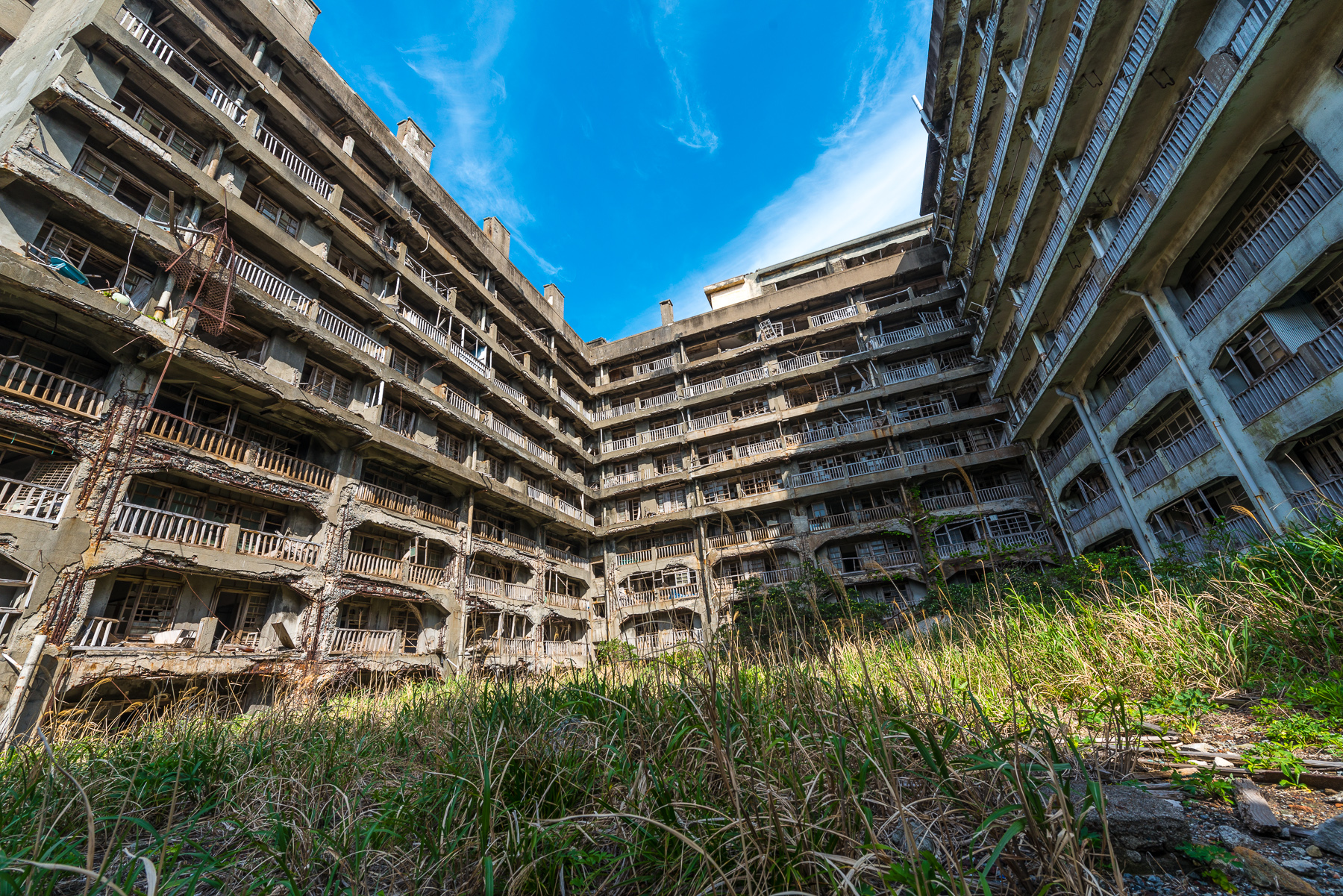 Jordy Meow / CC BY-SA 3.0
Gunkanjima (Battleship Island)
Well knownHashima Island, universally known as Gunkanjima (Battleship Island) for its silhouette resembling a warship, is a 6.3-he…