
Esta página aún no ha sido traducida y se muestra en inglés.
Sakai Traditional Knife Workshop
Investigado y escrito por Hinato

Master Nakamura's hands are scarred from 47 years of knife-making — pale white lines across his knuckles from where blades slipped during his apprenticeship. He sets a whetstone in front of me, already soaked in water for 20 minutes until it stopped bubbling. The stone's surface is concave from decades of use, worn down in the center by countless blades. 'Hold the knife at 15 degrees,' he says in Japanese, his assistant translating. 'Not 14. Not 16. Feel the angle in your wrist.'
I press too hard on my first stroke — the paring knife catches on the #1000 stone and skitters sideways. Nakamura shakes his head and demonstrates again: a fluid push-pull motion where the blade glides across wet stone with the sound of sustained rainfall. After 30 minutes, my wrist burns and the knife's edge catches light differently — a hairline of reflective steel indicating the burr forming. The workshop smells like wet metal and stone dust. By the end, I've learned why a ¥30,000 Sakai knife costs fifty times more than the blade I brought from home: it's the 600 years of collective knowledge compressed into achieving exactly 15 degrees, stroke after stroke, until the edge thins to invisibility.
Información esencial
Horario
Knife-sharpening workshop: 10:00 AM – 4:00 PM (by reservation)
Cerrado: Varies — confirm before visiting
Entrada
Museum entry: ¥200 | Knife-sharpening workshop: ¥3,000 (90 minutes, materials included)
Mejor temporada
Year-round (indoor workshop, weather-independent)
Duración de la visita
2-3 hours (museum + workshop) | 1 hour museum only
Cómo llegar
Información de acceso
Acceso detallado y horarios
Estación más cercana
Shukuin Station (Nankai Main Line) - 15 min walk | Sakai-Higashi Station (Osaka Monorail Sakai Branch) - 20 min walk
Tiempo de viaje
From Namba: 20 min via Nankai Main Line to Shukuin Station | From Shin-Osaka: 40 min via subway + Nankai | From Osaka Station: 35 min via Midosuji Line + Nankai
Cómo llegar
Train: From Namba Station (Nankai), take Nankai Main Line to Shukuin Station (15 min, ¥280). Walk 15 minutes north to museum. Alternatively: Take Nankai Main Line to Sakai Station, then local bus to museum area (20 min total from Sakai Station). Taxi: 10 min from Shukuin Station to museum (¥1,000-1,200).
Mejor momento para visitar
Weekday mornings (10:00 AM-12:00 PM) when workshops are small groups and master craftsmen are most available for questions. Workshop reservation required - book online or by email 1-2 weeks ahead.
Consejos para evitar multitudes
Workshop groups limited to 6-8 participants - reserve early for weekends. Museum rarely crowded (non-tourist destination). Language barrier at reception - bring written request in Japanese or use translation app. Staff patient with foreign visitors.
Información de aparcamiento
Free parking available at Sakai City Traditional Crafts Museum (small lot, first-come). Street parking nearby: ¥300/hour. Car access convenient for this suburban location - more practical than in central Osaka.
Guía privilegiada
Reserva alojamiento cercano
Encuentra alojamiento cerca de Sakai Traditional Knife Workshop en estas plataformas de confianza:
Lugares cercanos
Los lugares secretos más cercanos a Sakai Traditional Knife Workshop, por distancia en línea recta.
 Ilustración: no es una fotografía
Daisen Kofun
Well knownDaisen Kofun (大仙古墳), also known as Emperor Nintoku's Tomb, is the world's largest tomb by area — a 486-meter keyhole-sha…
 Wei-Te Wong from Taipei City, Taiwan, Republic of China / CC BY-SA 2.0
Sumiyoshi Taisha
Locally knownSumiyoshi Taisha (住吉大社) is one of Japan's oldest Shinto shrines (founded 211 CE), predating Buddhist influence in Japan.…
 Ilustración: no es una fotografía
Abeno Harukas
Locally knownAbeno Harukas (あべのハルカス) is Japan's tallest building at 300 meters (60 floors), opened in 2014. The top three floors (58F…
 iloverjoa / CC BY 3.0
Tennoji Zoo
Little knownTennoji Zoo (天王寺動物園) opened in 1915 as Japan's third zoo, housing 1,000+ animals from 180+ species on 11 hectares. The z…
 shikabane taro / CC BY 3.0
Osaka Municipal Museum of Art
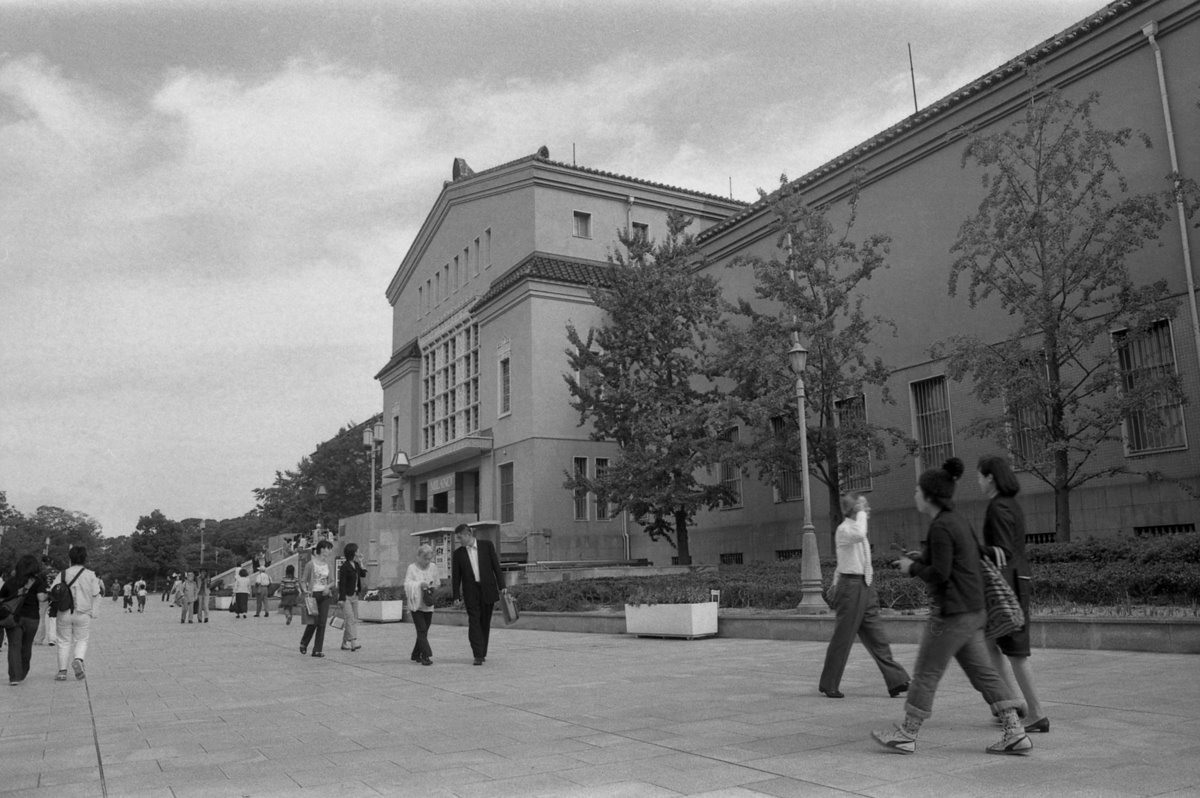
Locally knownOsaka Municipal Museum of Art (大阪市立美術館) in Tennoji Park houses Japan's classical art collection: 8,000+ pieces including…
 そらみみ / CC BY-SA 4.0
Spa World
Locally knownSpa World (スパワールド世界の大温泉) in Shinsekai is an 8-floor onsen (hot spring) complex themed around world bathing cultures — Eu…
Más en Prefectura de Osaka
 Christophe95 / CC BY-SA 4.0
Universal Studios Japan
FamousUniversal Studios Japan (USJ, ユニバーサル・スタジオ・ジャパン) is Osaka's most popular tourist attraction with 14+ million annual visit…
Expo '70 Commemorative Park
Locally knownExpo '70 Commemorative Park preserves the 1970 World's Fair site in northern Osaka. The centerpiece is Taro Okamoto's To…
 BradBeattie / CC BY-SA 3.0
Sennichimae Doguyasuji
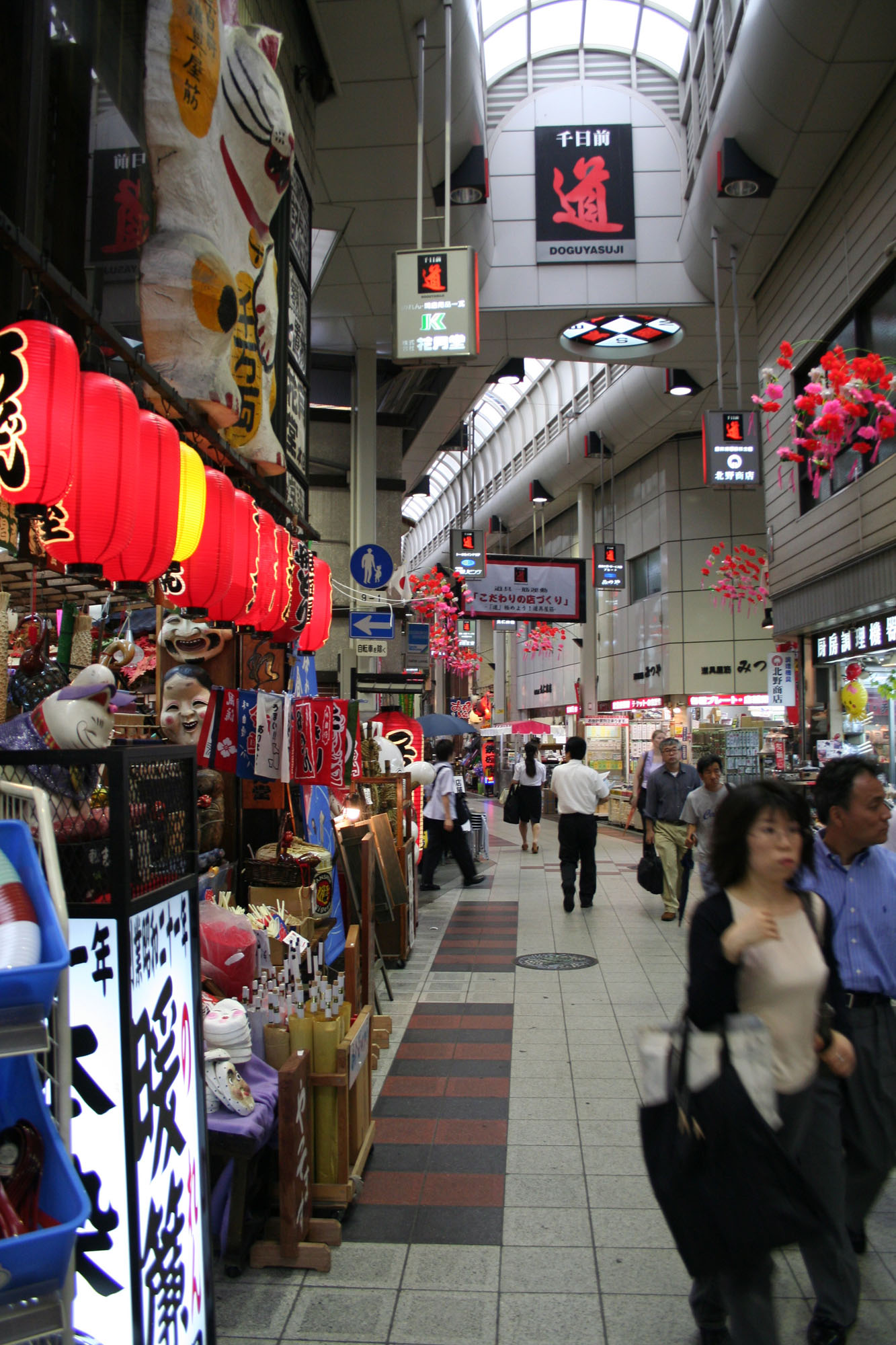
Locally knownSennichimae Doguyasuji (千日前道具屋筋商店街) is a 150-meter covered arcade specializing in professional kitchen equipment, tablew…