
Esta página aún no ha sido traducida y se muestra en inglés.
Seta no Karahashi
Investigado y escrito por Hinato

Seta no Karahashi (瀬田の唐橋) is a historic bridge spanning the Seta River where it flows out of Lake Biwa. The bridge's strategic importance made it a contested point in Japanese history — controlling this crossing meant controlling access to Lake Biwa and Kyoto. Multiple battles occurred here, including conflicts during the Jinshin War (672 CE) and Sengoku period.
The bridge is celebrated in classical poetry and art — it appears in ukiyo-e prints and is mentioned in The Tale of Heike. The proverb 'Seta no karahashi wo ippon de wataru' (瀬田の唐橋を一本で渡る, 'crossing Seta's bridge on one leg') means attempting something impossibly difficult. The modern bridge serves utilitarian function (4-lane traffic), but plaques and monuments along the riverbank explain its historical significance.
Información esencial
Horario
Riverbank parks 24/7
Cerrado: Open year-round
Entrada
Free
Mejor temporada
Early April for cherry blossoms along the Seta River; best combined with Ishiyama-dera (15-min walk)
Duración de la visita
15–30 minutes for bridge viewing and historical markers; most efficiently combined with Ishiyama-dera visit
Cómo llegar
Información de acceso
Guía privilegiada
Lugares cercanos
Los lugares secretos más cercanos a Seta no Karahashi, por distancia en línea recta.
 Yanajin33 / CC BY-SA 3.0
Ishiyama-dera Temple
Little knownIshiyama-dera (石山寺, 'Stone Mountain Temple') is a historic Buddhist temple founded in 747 CE, built on a massive natural…
 lienyuan lee / CC BY 3.0
Lake Biwa
Little knownLake Biwa (琵琶湖) is Japan's largest lake, covering 670 km² and holding 20% of Japan's freshwater. The lake has sustained…
 Ilustración: no es una fotografía
Omi Beef
Little knownOmi beef (近江牛, Omi-gyu) is one of Japan's three most prestigious wagyu brands, alongside Kobe and Matsusaka beef. Raised…
 くろふね / CC BY 3.0
Miidera Temple
Little knownMiidera Temple (三井寺, formally Onjo-ji) is a major Tendai Buddhist temple founded in 672 CE, located on Mt. Hiei's easter…
 Ilustración: no es una fotografía
Omi Jingu
Little knownOmi Shrine (近江神宮) is a Shinto shrine dedicated to Emperor Tenji (626–672 CE), who reigned during Japan's adoption of Chi…
 雷太 / CC BY 2.0
Nanzen-ji Temple
Locally knownNanzen-ji (南禅寺) ranks as the head temple of the Rinzai Zen sect's Nanzen-ji school, with a massive Sanmon gate (三門, 22 m…
Más en Prefectura de Shiga
 Ilustración: no es una fotografía
Funazushi
Little knownFunazushi is what sushi was before it involved vinegar or raw fish. Nigorobuna, a carp found only in Lake Biwa, is caugh…
 663highland / CC BY 2.5
Sagawa Art Museum
Little knownThe Sagawa Art Museum sits on the eastern shore of Lake Biwa as two low pavilions with tiled roofs appearing to float on…
 Asturio Cantabrio / CC BY-SA 4.0
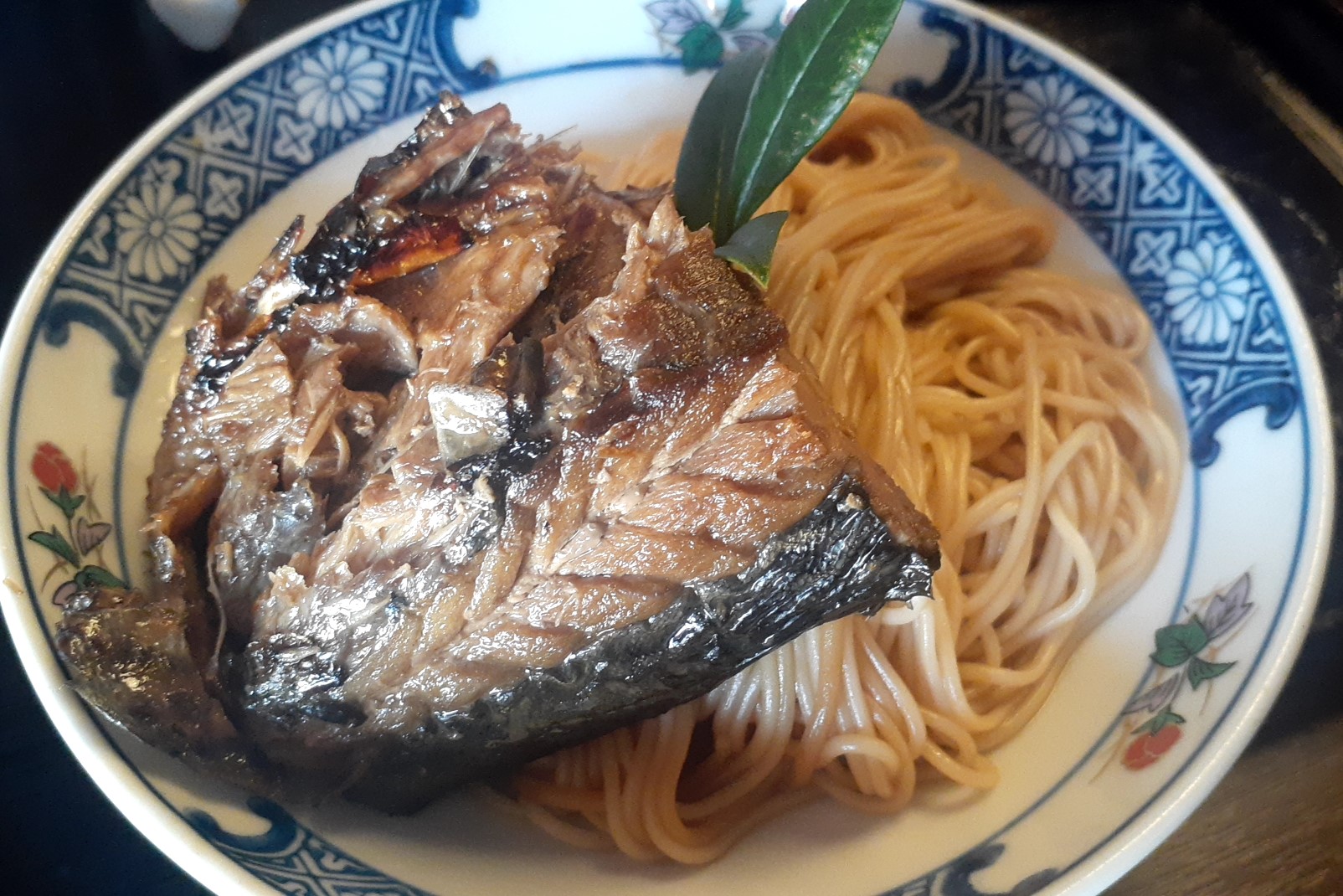
Yakisaba Somen
Little knownYakisaba somen was a gift, not a restaurant dish. In the farming villages around Nagahama a family whose daughter had ma…