
Esta página aún no ha sido traducida y se muestra en inglés.
Yachimun no Sato
Investigado y escrito por Hinato
Prefectura de Okinawa · Yomitan
26.4087°N, 127.7513°E
Okinawan pottery is called yachimun and it was concentrated in Tsuboya in Naha until the 1970s, when smoke regulations in a rebuilt city made wood-firing impossible there. Kinjo Jiro, who would become a Living National Treasure, moved his kiln out to Yomitan, and others followed. The result is a village of about nineteen workshops in woodland, built around a shared climbing kiln with a run of red-tiled roofs stepping up the slope.
The work is heavy, thickly glazed and functional — plates, bowls, awamori flasks, shisa — in the browns, greens and cobalt of the tradition, and most workshops sell directly from a shed beside where it is made. Prices are what a working potter charges rather than what a gallery does. The village is free to enter and each workshop keeps its own hours.
Información esencial
Horario
Village open at all times | Individual workshops and shops keep their own hours
Cerrado: Varies by workshop
Entrada
Free | Free parking | Pottery priced individually
Mejor temporada
Year-round | The annual Yomitan pottery market is held in December
Duración de la visita
1.5–2.5 hours
Cómo llegar
Información de acceso
Guía privilegiada
Lugares cercanos
Los lugares secretos más cercanos a Yachimun no Sato, por distancia en línea recta.
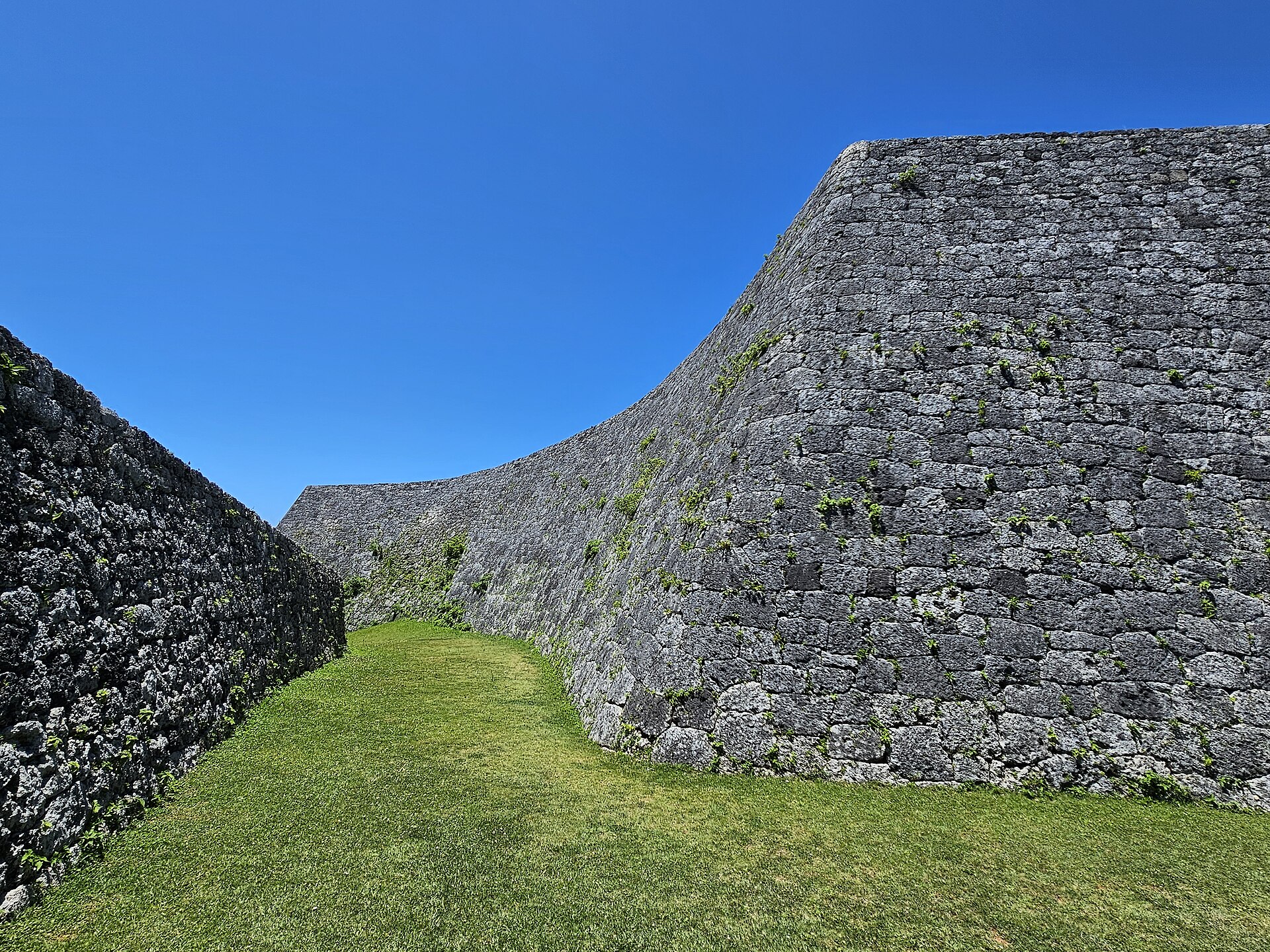 Renate Hano / CC BY-SA 4.0
Zakimi Castle Ruins
Well knownZakimi is the smallest of the World Heritage gusuku and the one built by the man generally regarded as the best military…
 Ilustración: no es una fotografía
Okinawa City Koza
Little knownKoza exists because 30,000 American airmen need somewhere to spend Friday nights, and it's been serving that function si…
 x768 / CC BY-SA 2.0
Nakamura House
Locally knownAlmost every traditional building in Okinawa was destroyed in 1945. The Nakamura house, a wealthy farming family's compo…
 Ilustración: no es una fotografía
Nakagusuku Castle Ruins
Well knownNakagusuku is the best-preserved gusuku in Okinawa and the one that shows what the masonry could do. It was built up thr…
 kanegen / CC BY 2.0
Katsuren Castle Ruins
Well knownKatsuren stands on a limestone ridge on the Katsuren peninsula and was the seat of Amawari, a lord who rose from nothing…
Minatogawa Stateside Town
Little knownIn the 1960s the American administration built housing for its personnel in Urasoe: single-storey concrete boxes with fl…
Más en Prefectura de Okinawa
Kinjocho Stone Path
Locally knownThe Madama-michi was the road the Ryukyu kings took south out of Shuri Castle, laid in the early sixteenth century with…
Tsuboya Yachimun Street
Locally knownIn 1682 the Ryukyu kingdom consolidated its scattered kilns into one district in Naha, and Tsuboya has been making potte…
Daiichi Makishi Public Market
Locally knownThe market grew out of a black market in the rubble after 1945 and became the food hall of Naha — the ground floor is fi…