
Best Spots for First-Time Visitors to Japan
Your first trip to Japan deserves careful curation. These 15 destinations balance accessibility, cultural significance, and practical logistics. Each spot is transit-friendly, offers English signage, and delivers the 'this is Japan' moments that justify the 12-hour flight. Skip the obscure villages for now — these are the experiences that help first-timers understand why people return to Japan again and again.
Everything on this list is ranked against one blunt test: could a jet-lagged person who does not read Japanese, arriving on their first morning, get here, understand what they are looking at, and get back — without the attempt costing them a day they cannot spare? Cultural significance is a tiebreaker on this list rather than a criterion. Practicality is the criterion.
That means the weighting is unusual. A place that is walkable from a major station outranks a more remarkable place forty minutes away by local bus, because the second one turns a two-hour visit into a five-hour commitment with a failure mode — missing the return bus — that a first-timer has no way to price. Continuous opening hours beat restricted ones. Free or turn-up-and-pay entry beats advance-reservation systems that assume a Japanese phone number or a domestic credit card. Signage and multilingual staff matter here in a way they do not on any other list on this site. Somewhere you can leave early without wasting a ticket ranks above somewhere with a fixed-time entry slot.
The order also accounts for how forgiving a mistake is. Nowhere on this list is dangerous to get wrong. If you take the wrong exit at Shibuya you lose ten minutes; take the wrong bus in a mountain valley and you lose the afternoon. Early entries are the ones where being confused costs you nothing.
Two deliberate exclusions. Nothing that needs a car is here, because a first visit rarely includes driving and an international permit is a planning step people discover too late. And nothing whose value depends on knowing what you are looking at — a temple whose interest is entirely in a sect's history, a garden that reads as a lawn without the reference — is included, however important it is.
The obvious criticism is that this produces a conventional itinerary, and it does. That is the correct outcome for a first trip. The list is not trying to show you a Japan nobody has seen; it is trying to make sure your first week works, so that the second trip can be the interesting one.
Last revised . No visitor numbers, review scores or user votes are used.
Why #1?
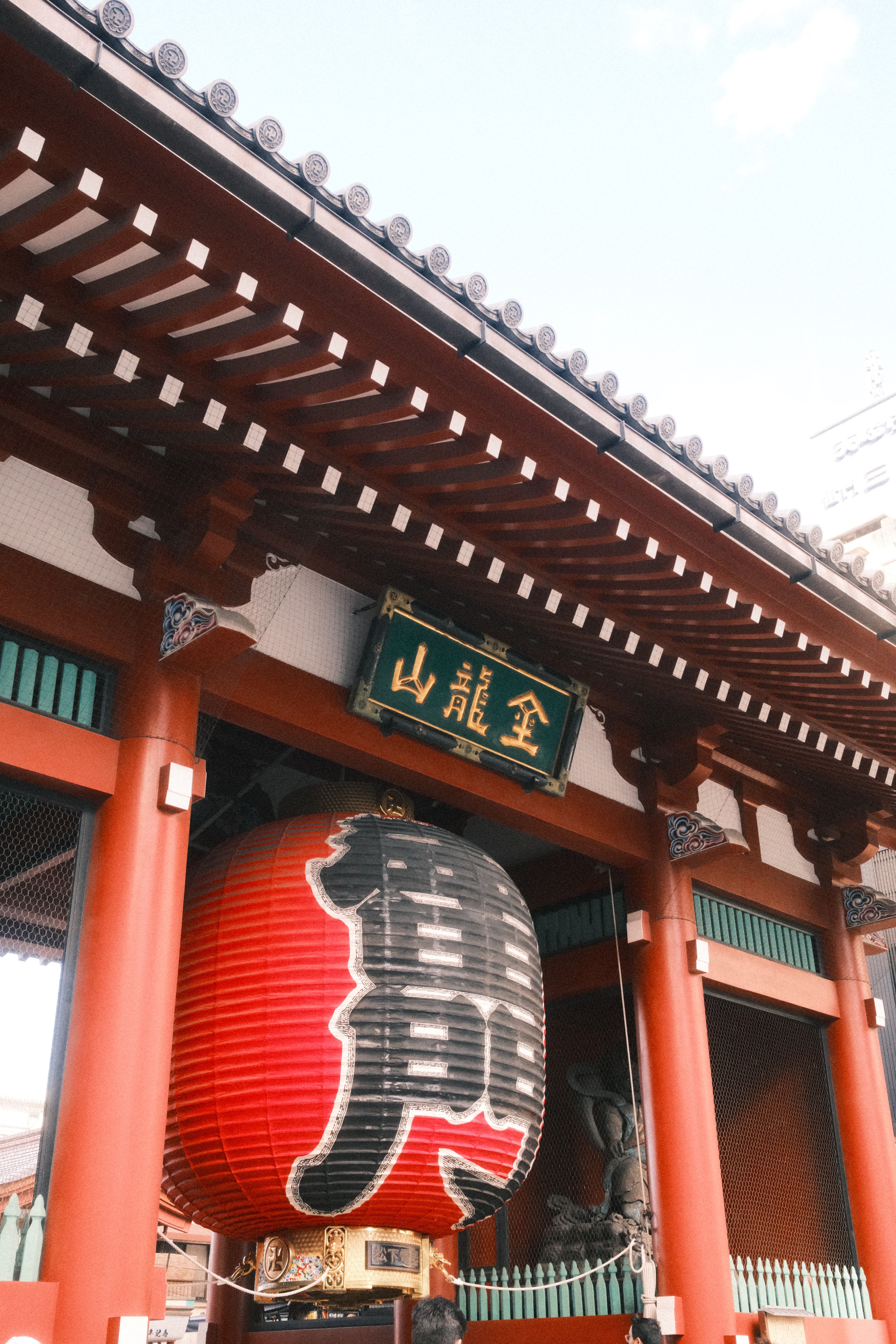
Tokyo's most accessible temple experience with English guides, souvenir shopping, and traditional atmosphere 5 minutes from Asakusa Station.
 Pexels
Senso-ji Temple
FamousSenso-ji (浅草寺) is Tokyo's oldest and most significant Buddhist temple, founded in 645 AD after two fishermen discovered…
Why #2?
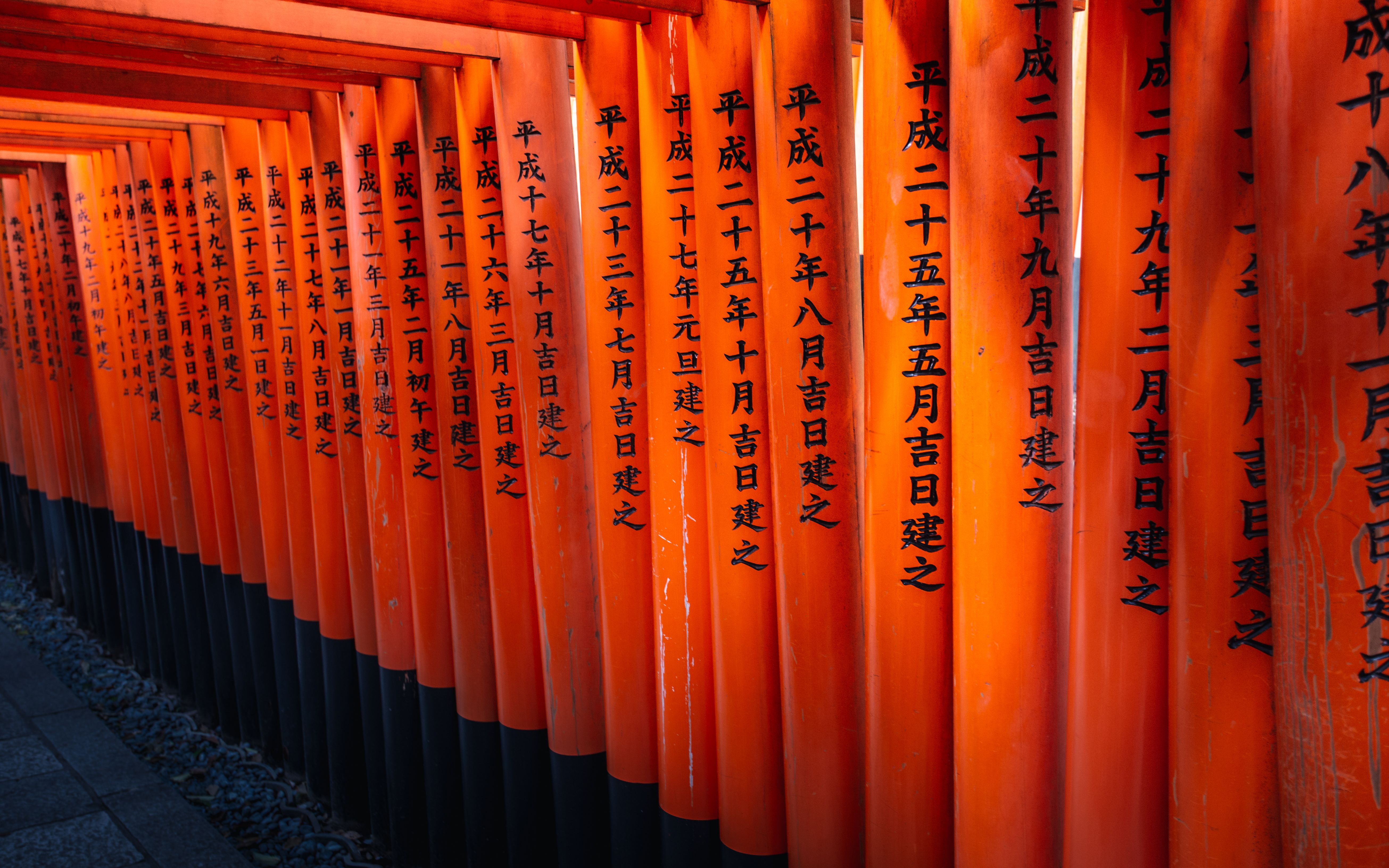
The torii tunnel is free, open 24/7, and requires zero Japanese language skills. Walk as far as you want, turn back anytime.
 Pexels
Fushimi Inari Taisha
FamousFushimi Inari Taisha is Kyoto's most iconic shrine, famous for the Senbon Torii (千本鳥居, 'thousands of torii gates') — a t…
Why #3?
Stand in the crossing for 30 seconds and you've captured Tokyo's energy. The Hachiko statue is right outside the station.
 Unsplash
Shibuya Scramble Crossing
FamousShibuya Scramble Crossing (渋谷スクランブル交差点) is the world's busiest pedestrian intersection, where up to 3,000 people cross s…
Why #4?
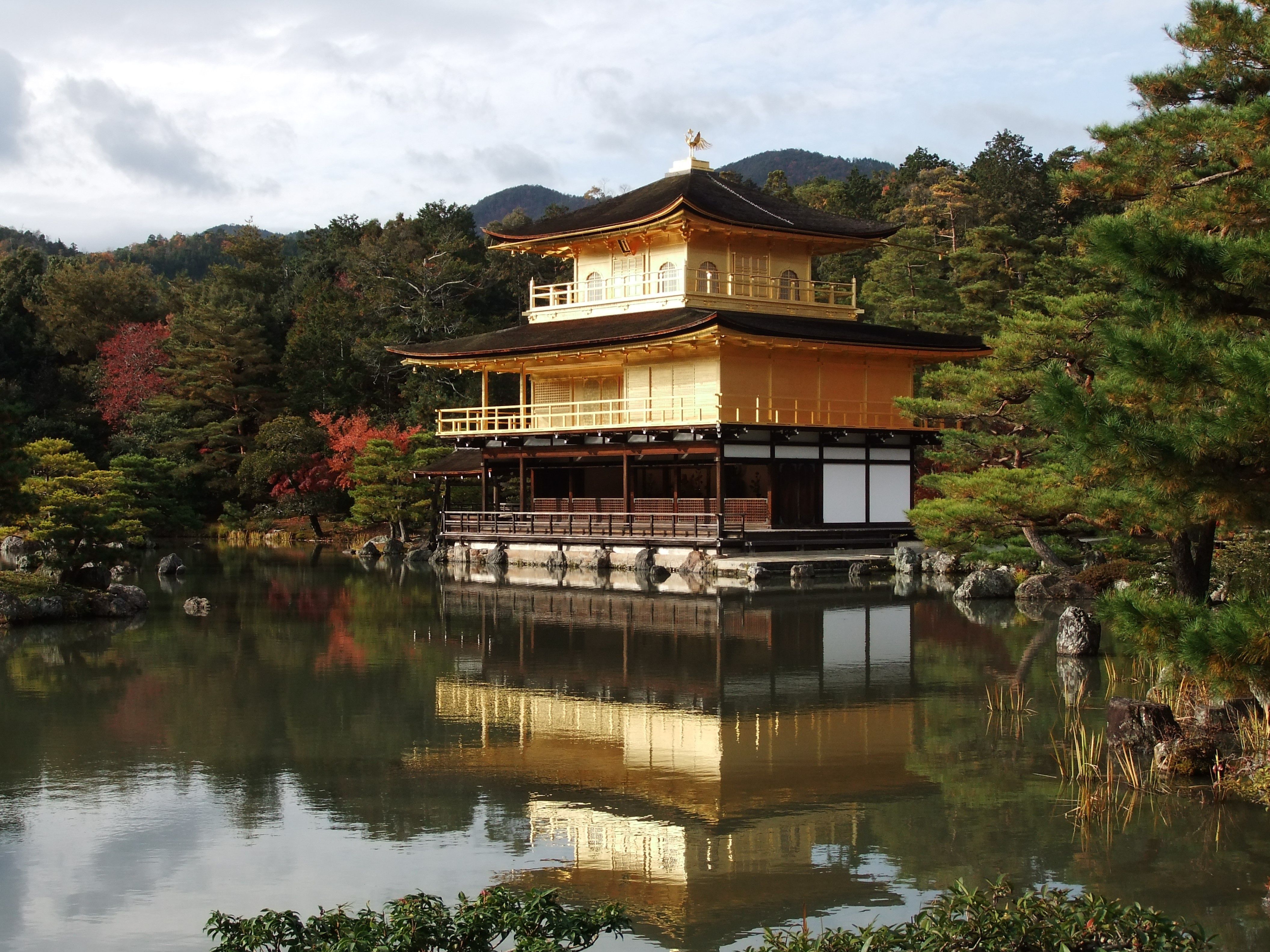
One-way path through the gardens makes it impossible to get lost. Bus from Kyoto Station takes 40 minutes with English announcements.
 Pexels
Kinkaku-ji Golden Pavilion
FamousKinkaku-ji (金閣寺, 'Temple of the Golden Pavilion') is a three-story Zen Buddhist temple covered in pure gold leaf, reflec…
Why #5?
A 10-minute walk through bamboo — simple, stunning, and accessible from Kyoto Station via JR pass.
 Unsplash
Arashiyama Bamboo Grove
FamousThe Arashiyama Bamboo Grove (嵯峨野の竹林) is a path through thousands of towering bamboo stalks that create a natural cathedr…
Why #6?
Timed entry tickets, multilingual staff, and unmissable from most of Tokyo. The clearest 'welcome to Japan' view.
 Illustration — il ne s'agit pas d'une photographie
Tokyo Skytree
FamousTokyo Skytree punches through the skyline at 634 meters (2,080 feet) — the tallest tower on the planet, though locals wi…
Why #7?
Elevator to the top, English audio guides, and surrounding park for picnics. Osaka's easiest landmark to visit.
 z tanuki / CC BY 3.0
Osaka Castle
FamousOsaka Castle (大阪城) was built by warlord Toyotomi Hideyoshi in 1583 as headquarters for his unification of Japan. The cur…
Why #8?
Book online in English, no Japanese needed inside. A modern art experience that feels uniquely Japanese.
 DannyWithLove / CC BY-SA 4.0
teamLab Borderless
FamousWalking into teamLab Borderless (チームラボボーダレス) feels like stepping through a screen into someone's fever dream. The space…
Why #9?
One minute from Harajuku Station. Free entry, English prayer instructions, and peaceful despite the crowds.
 kanesue / CC BY 3.0
Meiji Shrine
FamousMeiji Shrine (明治神宮, Meiji Jingu) is a Shinto shrine dedicated to Emperor Meiji and Empress Shoken, set within 175 acres…
Why #10?
Deer bow for crackers, the park is walkable from Nara Station, and Todaiji Temple anchors the visit. A perfect day trip from Kyoto or Osaka.
 Andrew Currie / CC BY-SA 3.0
Nara Park
FamousNara Park (奈良公園) is a 660-hectare park where over 1,200 wild sika deer roam freely among visitors, temples, and open mea…
Why #11?
Point at food, hand over yen, eat. The language barrier dissolves when the sushi is this fresh.
 Christophe95 / CC BY-SA 4.0
Tsukiji Outer Market
FamousTsukiji Outer Market (築地場外市場, Tsukiji Jogai Shijo) is a 300-meter network of alleys and shops selling fresh seafood, pro…
Why #12?
Walk along the canal, take photos of neon signs, eat takoyaki. Zero planning required for maximum Osaka vibes.
 勇寿憲 / CC BY-SA 3.0
Dotonbori
FamousDotonbori (道頓堀) is Osaka's most iconic entertainment district — a neon-lit canal lined with restaurants, bars, and massi…
Why #13?
A 350m straight shot of shops. Impossible to get lost, easy to find crepes and character goods.
 Illustration — il ne s'agit pas d'une photographie
Takeshita Street
FamousTakeshita Street (竹下通り, Takeshita-dori) is a 350-meter pedestrian alley in Harajuku, lined with shops selling kawaii (cu…
Why #14?
Safe, well-lit, and English menus in most bars. Golden Gai's tiny bars welcome solo travelers.
 Basile Morin / CC BY-SA 4.0
Shinjuku Kabukicho
FamousKabukicho (歌舞伎町) is Tokyo's largest entertainment and red-light district, a neon-soaked maze of narrow alleys packed wit…
Why #15?
Even if anime isn't your thing, the sensory overload and electronics shops make Akiba a required Tokyo stop.
 nakashi from Chofu, Tokyo, JAPAN / CC BY-SA 2.0
Akihabara Electric Town
FamousAkihabara (秋葉原, often shortened to 'Akiba') is Tokyo's electronics and otaku (geek) culture district, a dense 500-meter…
Explore More Rankings
Discover other curated lists to plan your perfect Japan itinerary
View All Rankings