
Cette page n'a pas encore été traduite et s'affiche en anglais.
Enryakuji Temple
Recherche et rédaction Hinato

Photo: z tanuki / Wikimedia Commons (CC BY 3.0) · original
Enryakuji Temple (延暦寺) is a sprawling Buddhist monastery complex atop Mt. Hiei (848m), straddling the border between Kyoto and Shiga prefectures. Founded in 788 by monk Saicho, Enryakuji served as headquarters of the Tendai sect and trained many of Japan's most influential Buddhist teachers. At its peak, the complex housed 3,000 buildings and thousands of warrior monks (sohei) who wielded political power.
The monastery spans three major areas (Todo, Saito, Yokawa) across the mountain, connected by forest paths. The Konpon Chudo Hall houses the 'eternal flame' that has burned continuously for 1,200+ years. The mountain setting, ancient cryptomeria trees, and spiritual atmosphere make Enryakuji one of Japan's most important pilgrimage sites — it's a UNESCO World Heritage Site as part of the Historic Monuments of Ancient Kyoto.
Informations essentielles
Horaires d'ouverture
9:00 AM – 4:00 PM (last entry 3:45 PM, seasonal variations) | Cable car (Sakamoto): 9:00 AM – 4:30 PM | Cable car (Eizan from Kyoto): 9:00 AM – 5:00 PM | Check seasonal schedule for winter hours (shorter)
Fermé: No regular closing days | Year-round access | Cable cars may temporarily close in heavy snow or typhoon (Dec–Feb risk)
Tarif d'entrée
Temple entry: ¥1,000 (covers all three areas: Todo, Saito, Yokawa) | Sakamoto Cable round-trip: ¥1,700 | Eizan cable car + ropeway round-trip from Kyoto: ¥1,700 | Yokawa area bus (infrequent): ¥400
Meilleure saison
Spring (April–May) for fresh greenery | Autumn (November) for fall colors + cable car scenery | Avoid peak summer heat (temple at 848m is cooler than city) | Winter offers snow scenery but limited access
Durée de visite
Todo area only: 90 minutes | Todo + Saito: 3 hours | All three areas (Todo + Saito + Yokawa): 5–6 hours (full day) | Allow travel time: 45 min each way from Kyoto or Otsu
Comment s'y rendre
Informations d'accès
Accès détaillé et horaires
Gare la plus proche
Sakamoto-Hieizanguchi Station (Keihan Ishiyama-Sakamoto Line) — Sakamoto Cable car to summit (11 min) | From Kyoto: Demachiyanagi Station (Eizan Railway) to Yase-Hieizanguchi, then cable + ropeway
Temps de trajet
From Kyoto (Eizan route): 30-min train + 20-min cable/ropeway = ~50 minutes | From Otsu/Sakamoto: 20-min train + 11-min cable = ~35 minutes | Driving: 30 min from central Kyoto (parking at summit ¥800)
Comment y aller
Eizan Railway from Demachiyanagi (Kyoto): best for Kyoto visitors | Keihan + Sakamoto Cable: best for Otsu visitors | Drive to summit: via Hieizan Driveway (toll ¥840) | Hiking: Honzaka trail from Sakamoto (90 min up, 600m elevation) — take cable down
Meilleur moment pour visiter
9:00–11:00 AM to avoid tour groups | Weekdays for near-solitude in Saito and Yokawa areas | Autumn (November) for colors on cable car ascent | Evening closing 4:30 PM means afternoon visits are short — plan full morning
Conseils pour éviter la foule
Todo area (Konpon Chudo) gets school groups and tour buses midday | Saito area 1km walk away is significantly quieter | Yokawa area (4km by bus) is nearly deserted even on weekends | Spring cherry blossom season (April) and November autumn season are busiest
Informations de stationnement
Summit parking (Hieizan Driveway): ¥800 | Drive eliminates cable car cost but misses mountain scenery | Sakamoto town parking (near cable car station): free street parking | Recommend cable car over driving for scenic experience
Guide d'initié
Réserver un hébergement à proximité
Trouvez un hébergement près de Enryakuji Temple sur ces plateformes de confiance :
Lieux à proximité
Les lieux secrets les plus proches de Enryakuji Temple, par distance à vol d'oiseau.
 pelican from Tokyo, Japan / CC BY-SA 2.0
Kyoto Ramen
Locally knownKyoto ramen (京都ラーメン) blends tonkotsu (pork bone) and shoyu (soy sauce) into a rich, dark broth that's less heavy than Ha…
 Illustration — il ne s'agit pas d'une photographie
Omi Jingu
Little knownOmi Shrine (近江神宮) is a Shinto shrine dedicated to Emperor Tenji (626–672 CE), who reigned during Japan's adoption of Chi…
 くろふね / CC BY 3.0
Miidera Temple
Little knownMiidera Temple (三井寺, formally Onjo-ji) is a major Tendai Buddhist temple founded in 672 CE, located on Mt. Hiei's easter…
 そらみみ / CC BY-SA 3.0
Philosopher's Path
FamousThe Philosopher's Path (哲学の道, Tetsugaku no Michi) is a 2-kilometer stone walkway following a canal lined with hundreds o…
 Illustration — il ne s'agit pas d'une photographie
Eikan-do Temple
Locally knownEikan-do Temple (永観堂), officially Zenrin-ji, is renowned for its autumn night illuminations (mid-November) when 3,000 ma…
 lienyuan lee / CC BY 3.0
Lake Biwa
Little knownLake Biwa (琵琶湖) is Japan's largest lake, covering 670 km² and holding 20% of Japan's freshwater. The lake has sustained…
Plus de lieux à Préfecture de Shiga
 663highland / CC BY 2.5
Sagawa Art Museum
Little knownThe Sagawa Art Museum sits on the eastern shore of Lake Biwa as two low pavilions with tiled roofs appearing to float on…
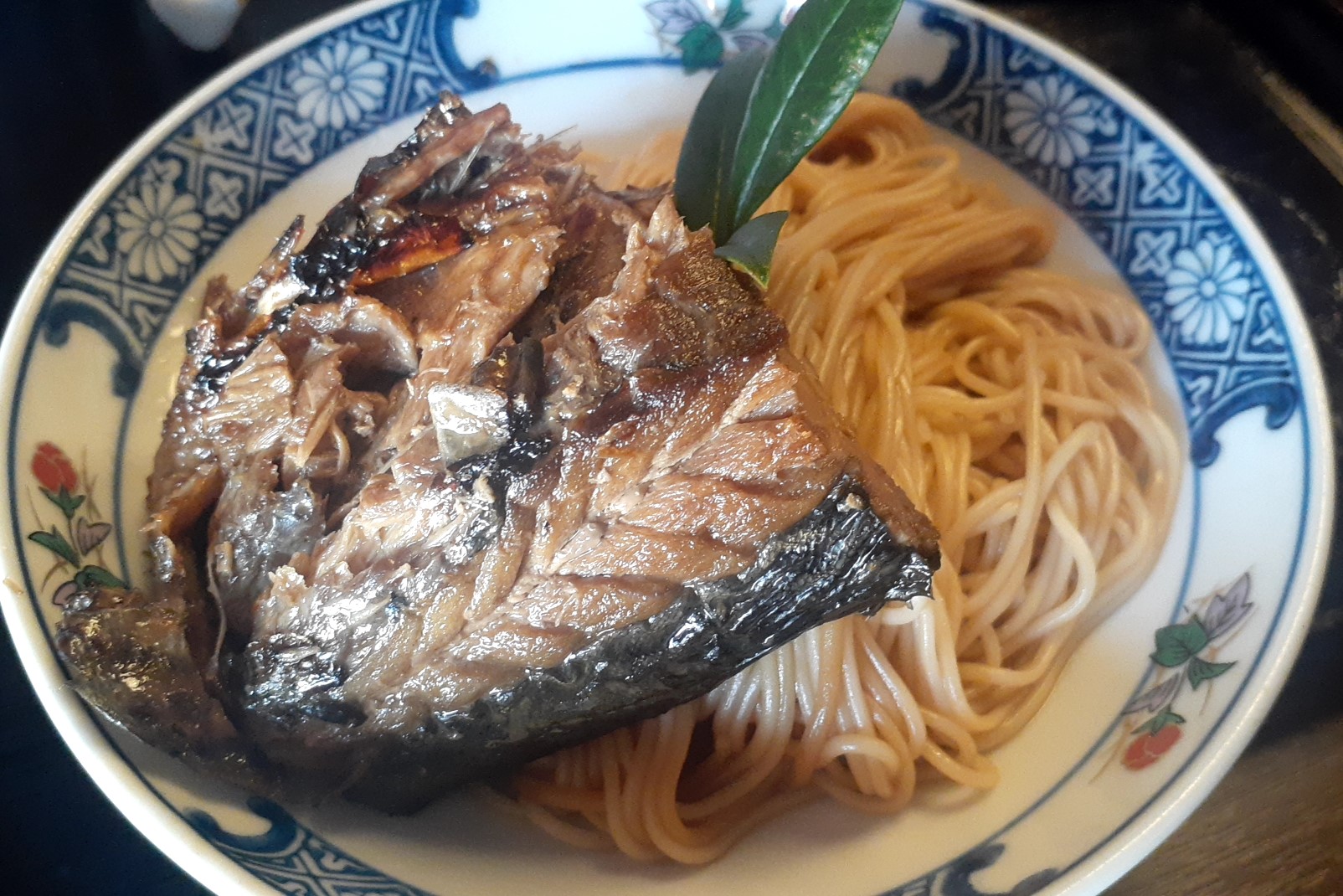 Asturio Cantabrio / CC BY-SA 4.0
Yakisaba Somen
Little knownYakisaba somen was a gift, not a restaurant dish. In the farming villages around Nagahama a family whose daughter had ma…
 Alpsdake / CC BY-SA 4.0
Lake Yogo
Little knownLake Yogo is a small round lake, about 6.4 kilometres around, sitting in a bowl of hills north of Lake Biwa and separate…