
Cette page n'a pas encore été traduite et s'affiche en anglais.
Kimii-dera Temple
Recherche et rédaction Hinato

Photo: 663highland / Wikimedia Commons (CC BY 2.5) · original
Kimii-dera (紀三井寺, 'Temple of Three Wells of Kii Province') is a hilltop temple complex founded in 770 AD, famous for its steep stone staircase ascending through 231 steps lined with cherry trees and hydrangeas. The temple is one of Wakayama's premier flower viewing spots — in spring (late March-early April), 500 cherry trees bloom along the stairs and terraces, creating a pink-white tunnel; in summer (June-July), thousands of hydrangea bushes (10,000+ plants, 50+ varieties) transform the hillside into a sea of blue, purple, and pink.
The temple's name derives from three sacred wells (Kiyome-no-mizu, Yōraku-no-mizu, and Kichō-no-mizu) believed to grant beauty, longevity, and good fortune when drunk. The main hall enshrines a Senju Kannon (Thousand-Armed Goddess of Mercy) statue, and the temple grounds include a vermillion pagoda and observation deck offering panoramic views over Wakayama City and the Kii Channel. The temple is an active pilgrimage site on the Saigoku Kannon Pilgrimage (西国三十三所, a 33-temple circuit in western Japan dating to the 8th century). Kimii-dera's combination of natural beauty, historical architecture, and spiritual significance makes it a local favorite for seasonal outings, yet it remains relatively unknown to international tourists — a hidden gem offering authentic seasonal flower experiences without Kyoto-level crowds.
Informations essentielles
Horaires d'ouverture
8:00 AM – 5:00 PM daily
Fermé: Open year-round
Tarif d'entrée
¥500 adults (includes temple grounds and observation deck)
Meilleure saison
Late March to early April for cherry blossoms (blooms ~1 week earlier than Kyoto) | Mid-June to early July for hydrangeas (peak late June)
Durée de visite
60–90 minutes: 231-stone staircase climb, temple halls, observation deck, and flower viewing
Comment s'y rendre
Informations d'accès
Guide d'initié
Lieux à proximité
Les lieux secrets les plus proches de Kimii-dera Temple, par distance à vol d'oiseau.
 Illustration — il ne s'agit pas d'une photographie
Wakayama Mikan & Umeboshi
Little knownWakayama Prefecture is Japan's largest producer of mikan oranges (温州みかん, unshu mikan) and umeboshi pickled plums (梅干し),…
 Yoshio Kohara / CC BY 3.0
Wakayama Castle
Little knownWakayama Castle (和歌山城) is a hilltop fortress built in 1585 by Toyotomi Hideyoshi's brother, later ruled by the powerful…
 Illustration — il ne s'agit pas d'une photographie
Wakayama Ramen
Little knownWakayama ramen (和歌山ラーメン, also called chuka soba in local dialect) is a distinct regional ramen style featuring rich tonk…
Tomogashima
Little knownTomogashima is a group of uninhabited islands in the strait between Wakayama and Awaji, and from the 1890s the army fort…
 Raita Futo from Tokyo, Japan / CC BY 2.0
Oishi Kogen
Little knownOishi Kogen is a plateau at about 870 metres straddling Kimino and Aridagawa, and what grows on it is susuki — Japanese…
 Kumamushi / CC BY-SA 3.0
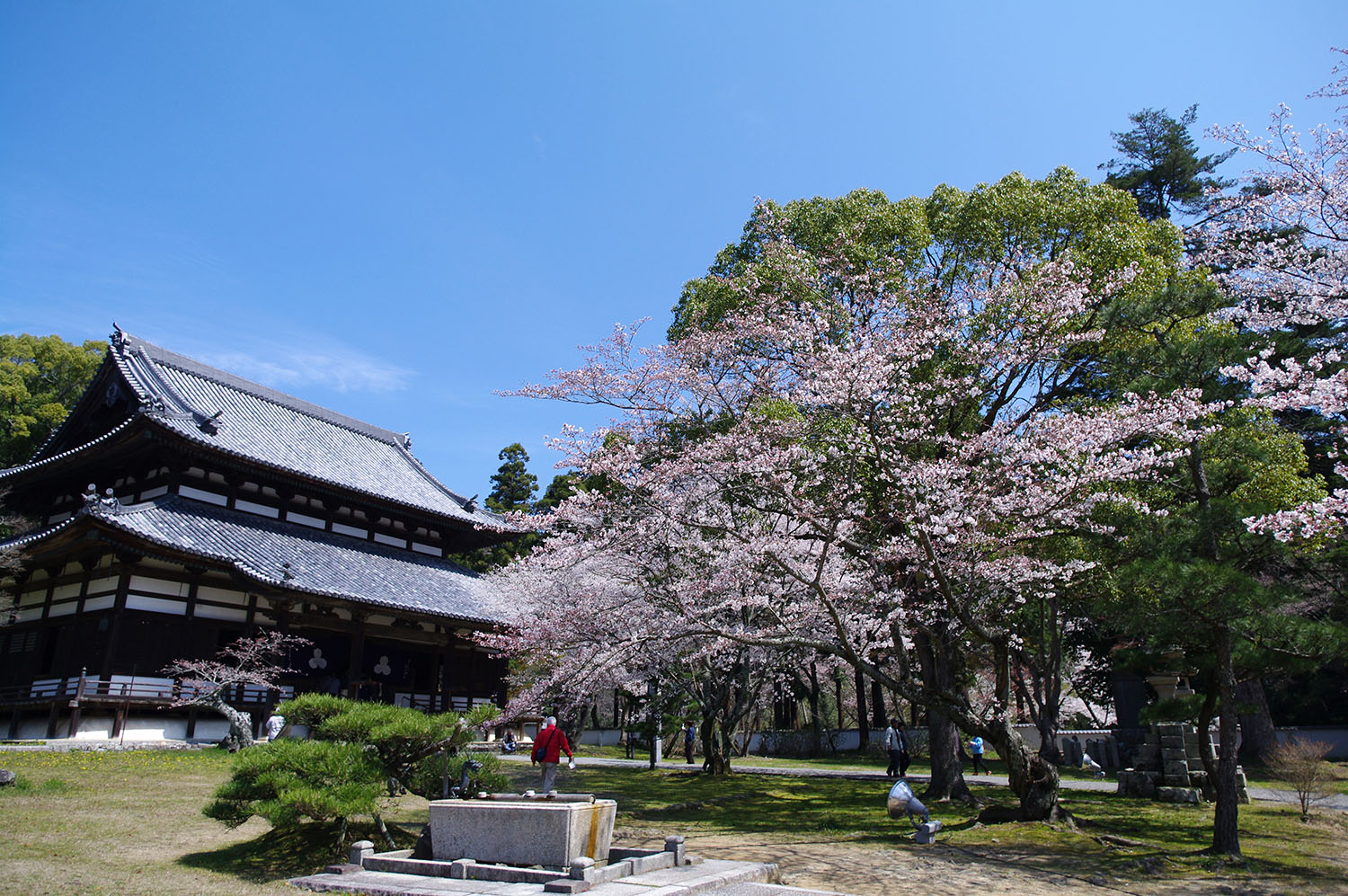
Negoroji (Iwade)
Locally knownNegoroji was, at its height in the sixteenth century, a monastic complex of some two thousand buildings with an armed fo…
Plus de lieux à Préfecture de Wakayama
Shirahama White Beach Resort
Little knownShirahama (白浜, 'white beach') is Wakayama's premier beach resort town, famous for its 600-meter crescent of white quartz…
 Xappyu / CC BY-SA 4.0
Yuasa Soy Sauce Town
Little knownYuasa (湯浅) is a small coastal town credited as the birthplace of Japanese soy sauce (shoyu, 醤油), where Buddhist monks in…
Okunoin Cemetery Night Walk
FamousOkunoin (奥之院) is a 2-kilometer path through 200,000 moss-covered tombstones and memorial monuments beneath towering 500-…