
Cette page n'a pas encore été traduite et s'affiche en anglais.
Nanrakuen Garden
Recherche et rédaction Hinato
Préfecture d'Ehime · Matsuyama
33.8350°N, 132.7547°E
Nanrakuen is a traditional Japanese landscape garden built in 1688 for the lord of Matsuyama Domain, featuring seasonal blooms, ponds with koi and turtles, and classical garden architecture. The garden is particularly famous for 160 ume (plum) trees that bloom in February–March, followed by 30,000 iris flowers in May–June that transform the pond edges into purple and white fields.
The garden's design uses Mt. Katsuyama (Matsuyama Castle) as borrowed scenery visible beyond the garden wall.
Informations essentielles
Horaires d'ouverture
9:00 AM – 5:00 PM (until 4:30 PM December–February). Extended to 9:00 AM – 6:00 PM with night illumination during peak iris bloom (early June).
Fermé: Open daily year-round. Occasional closure for garden maintenance — check Matsuyama City website.
Tarif d'entrée
¥310. Night illumination during peak iris season: ¥500. Tea ceremony in garden tea house: ¥500 (available on weekend mornings during plum season).
Meilleure saison
Mid-February–early March for 160 plum trees. Early June (7–10 days) for 30,000 iris peak bloom with night illumination. Spring and autumn are most scenic overall.
Durée de visite
45–60 minutes for a standard garden stroll. Allow 90 minutes during peak bloom seasons to fully appreciate the plum trees or iris beds.
Comment s'y rendre
Informations d'accès
Guide d'initié
Lieux à proximité
Les lieux secrets les plus proches de Nanrakuen Garden, par distance à vol d'oiseau.
 Daichan / CC BY-SA 3.0
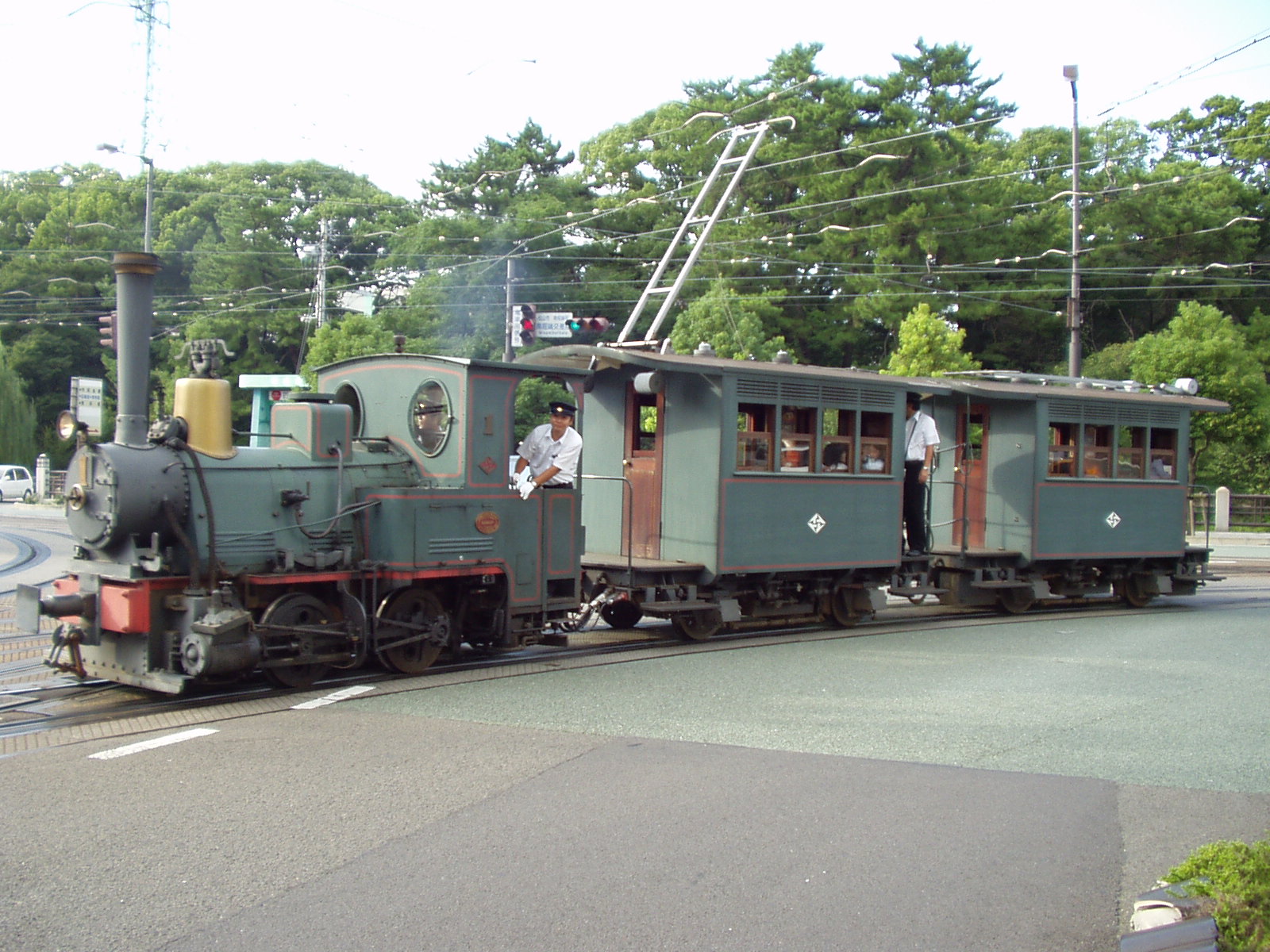
Botchan Ressha
Little knownThe Botchan Ressha is a restored vintage steam locomotive (actually diesel-powered replica) operating as a tourist tram…
 Fred Cherrygarden / CC BY-SA 4.0
Taimeshi
Locally knownTaimeshi (鯛めし, 'sea bream rice') is Ehime's signature dish, existing in two completely different regional styles: Matsuy…
 円周率3パーセント / CC BY-SA 4.0
Jakoten
Locally knownJakoten (じゃこ天) is Ehime's signature fish cake made from small fish (jako — tiny sardines or anchovies) ground whole with…
 Miyuki Meinaka / CC BY-SA 4.0
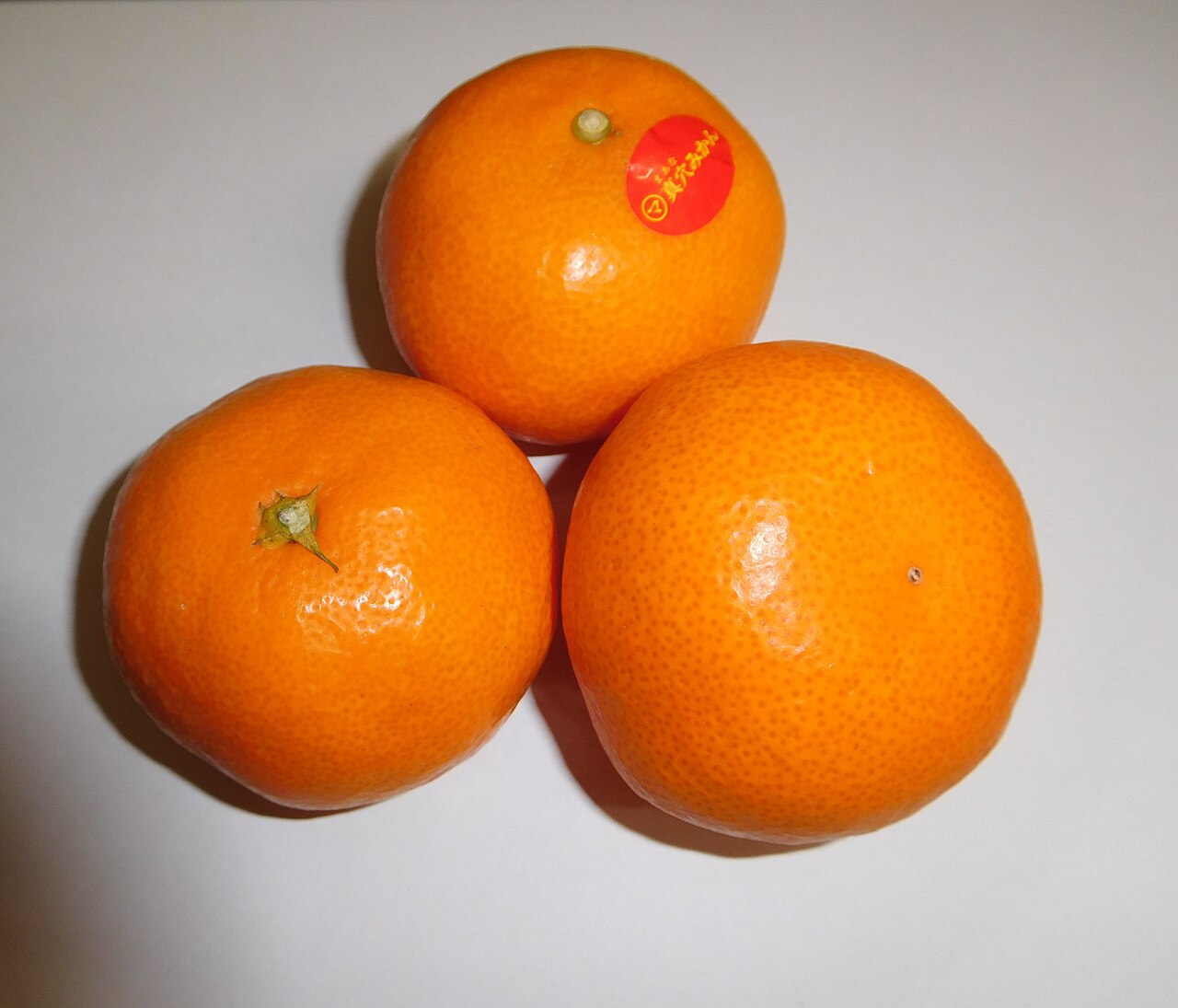
Ehime Mikan
Locally knownEhime Prefecture produces 20% of Japan's mikan (mandarin oranges), making citrus the region's defining agricultural prod…
 z tanuki / CC BY 3.0
Matsuyama Castle
Little knownMatsuyama Castle occupies the 132-meter summit of Mt. Katsuyama in central Matsuyama City, one of only twelve Japanese c…
 lienyuan lee / CC BY 3.0
Dogo Onsen Honkan
FamousDogo Onsen Honkan stands three stories tall in dark wood and white plaster, looking like a castle designed for bathing i…
Plus de lieux à Préfecture d'Ehime
 Illustration — il ne s'agit pas d'une photographie
Omogo Gorge
Little knownOmogo is the gorge at the foot of Mt. Ishizuchi, the highest mountain in western Japan, cut into granite so that the riv…
Iwayaji
Little knownIwayaji is the forty-fifth station of the Shikoku pilgrimage and one of the hardest — the walk up from the road is twent…
Kirosan Observatory Park
Little knownKirosan is a 301-metre hill at the southern tip of Oshima, looking down on the Kurushima Strait — one of the three faste…