
Cette page n'a pas encore été traduite et s'affiche en anglais.
Oze National Park
Recherche et rédaction Hinato

Photo: Purity Standard from Yokohama, Japan / Wikimedia Commons (CC BY 2.0) · original
Oze National Park sits at 1,400-1,600 meters elevation on the Gunma-Fukushima-Niigata border, a high wetland plateau where boardwalks cross marshes that stretch 6 kilometers between mountain ridges. The Ozegahara Marsh is Japan's largest highland wetland — a flat expanse of grass and shallow ponds where wildflowers bloom in waves from May through August. No roads penetrate the park, no cars, no buildings beyond mountain huts. Wooden boardwalks keep hikers off the fragile ground, threading through the marsh in long straight lines that vanish into the distance.
The park's signature flower is mizubasho (Asian skunk cabbage), white petals rising from ankle-deep water in late May and early June. When thousands bloom simultaneously the marsh turns white and green, backed by snowy peaks that still hold winter's snow. The image is famous in Japan — postcard-perfect, the kind of scene that makes people book buses months in advance. Getting here requires commitment: 3-hour bus rides from Tokyo, then another bus to the trailhead, then hiking 90 minutes to reach the marsh. Most people stay overnight in mountain huts (¥9,000 with meals), because day-tripping means 14 hours of travel for 4 hours on the trail.
Informations essentielles
Horaires d'ouverture
Park access: open 24/7 during season | Trailhead buses: first departure 5:00 AM from Oze parking areas | Mountain huts: check-in from 3:00 PM
Fermé: Park: closed November–April (snow) | Open season: May–October | Mountain huts may close October after foliage season
Tarif d'entrée
Park entry: free | Mountain huts: ¥8,000–10,000/person (2 meals) | Shuttle bus to trailhead: ¥980 one-way | Toilet donation: ¥100/use at trail junctions
Meilleure saison
Late May–early June (mizubasho white flowers) | July–August (nikko-kisuge yellow lilies) | September–October (autumn colors + alpine flora)
Durée de visite
Full day (7–9 hours round-trip day hike) | Overnight recommended (13 hrs travel + 4 hrs hiking = exhausting as day trip)
Comment s'y rendre
Informations d'accès
Accès détaillé et horaires
Gare la plus proche
No train access — Oze Koen Bus Stop via highway bus from Jomo-Kogen Station (JR Joetsu Shinkansen, then shuttle bus 3 hrs total from Tokyo)
Temps de trajet
From Tokyo Ueno: 3 hrs by highway bus (Kanto Expressway Bus, ¥3,500 one-way) to Oshimizu parking | From Jomo-Kogen Shinkansen: 70-min shuttle bus to trailhead (¥1,500)
Comment y aller
Highway Bus (recommended): Kanto Expressway Bus from Tokyo Ueno/Shinjuku to Oshimizu (3 hrs, ¥3,500 one-way). Reserve months ahead for peak bloom season. Shinkansen + Shuttle: JR Joetsu Shinkansen to Jomo-Kogen, then Kanto shuttle bus to Hatomachi Pass trailhead (70 min, ¥1,500 one-way). Book shuttle seat in advance during May–June. Car: Drive to Oshimizu parking (Route 401, 3 hrs from Tokyo) but parking fills before 6 AM during peak bloom — overnight parking required.
Meilleur moment pour visiter
Weekdays in late May for peak mizubasho with half the weekend crowd. Start hiking by 7:00 AM to finish before afternoon thunderstorms (common after 2:00 PM in summer). Reserve mountain huts 1–2 months ahead for May–June dates.
Conseils pour éviter la foule
Peak bloom weekends (late May–mid-June) draw 1,000+ hikers per day — trailhead buses fill before 8:00 AM. Arrive at parking/bus stops before 6:00 AM on peak weekends. Weekdays have manageable crowds. Post-bloom summer (July–August) is significantly less crowded.
Informations de stationnement
Oshimizu Parking (main): ¥1,500/day (no overnight). Hatomachi Pass parking: closed to cars during peak season (May–October) — mandatory shuttle from Oshimizu. Arrive before 5:00 AM on peak weekends to secure parking space.
Guide d'initié
Réserver un hébergement à proximité
Trouvez un hébergement près de Oze National Park sur ces plateformes de confiance :
Lieux à proximité
Les lieux secrets les plus proches de Oze National Park, par distance à vol d'oiseau.
Hacchonoyu
Locally knownThere are four inns in the Okukinu hot spring group, at the head of the Kinugawa valley inside Nikko National Park, and…
 Carlquist, Sherwin John, 1930-2021 / CC BY 4.0
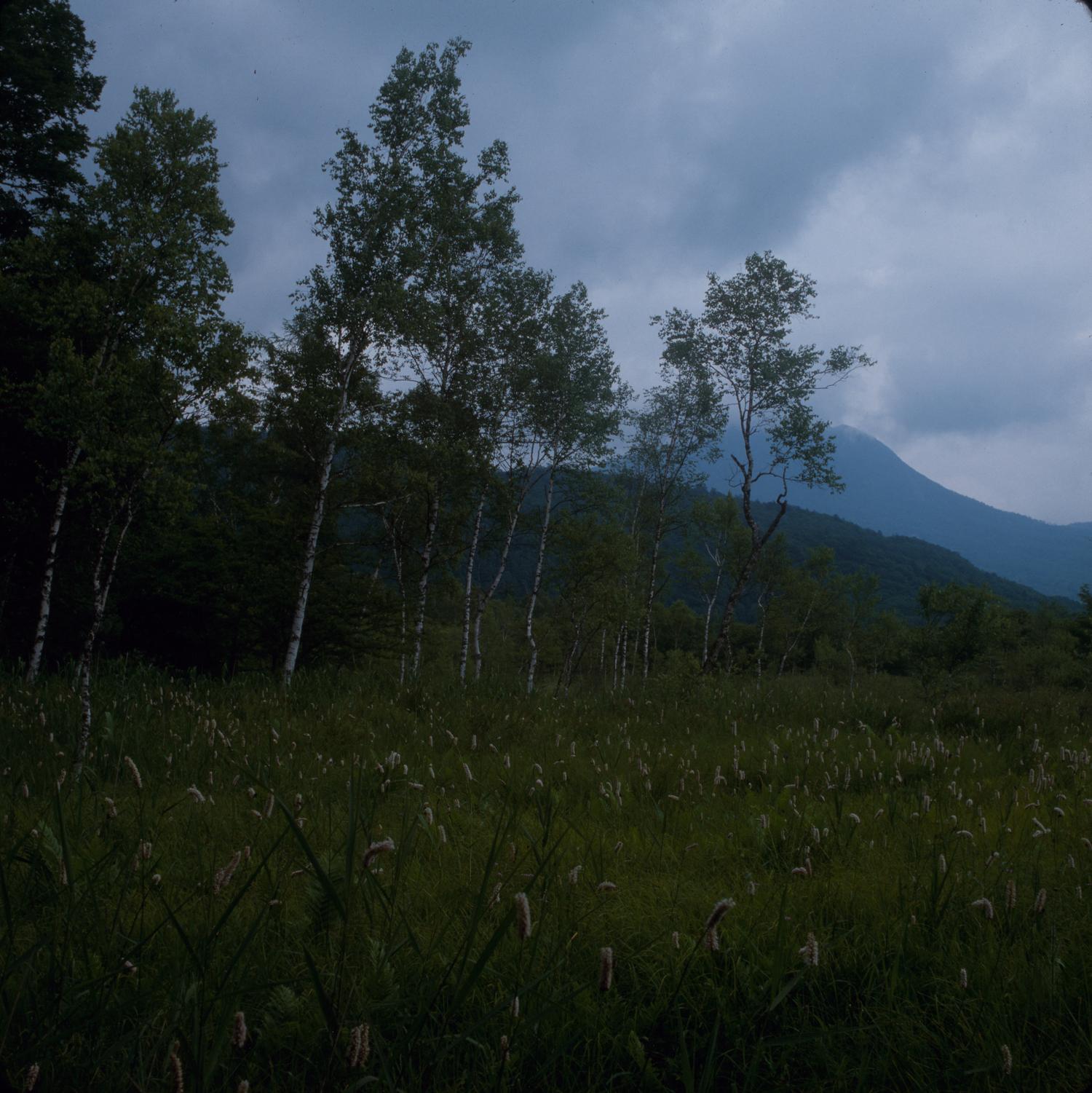
Senjogahara Marshland
Locally knownSenjogahara is a 400-hectare highland wetland at 1,400 meters elevation, formed when volcanic lava flows blocked drainag…
 KQuhen / CC BY-SA 4.0
Hinoemata Kabuki
Little knownHinoemata is a village of a few hundred people in the mountains at the far south-west corner of Fukushima, on the approa…
 Miyuki Meinaka / CC BY-SA 4.0
Akechidaira Ropeway
Locally knownThe Akechidaira Ropeway is a 3-minute cable car that ascends 300 vertical meters from the Akechidaira Plateau to an obse…
 Joli Rumi / CC BY-SA 4.0
Lake Chuzenji & Kegon Falls
FamousLake Chuzenji sits at 1,269 meters in a volcanic caldera formed 20,000 years ago when Mount Nantai erupted and lava damm…
 Filler / CC BY-SA 3.0
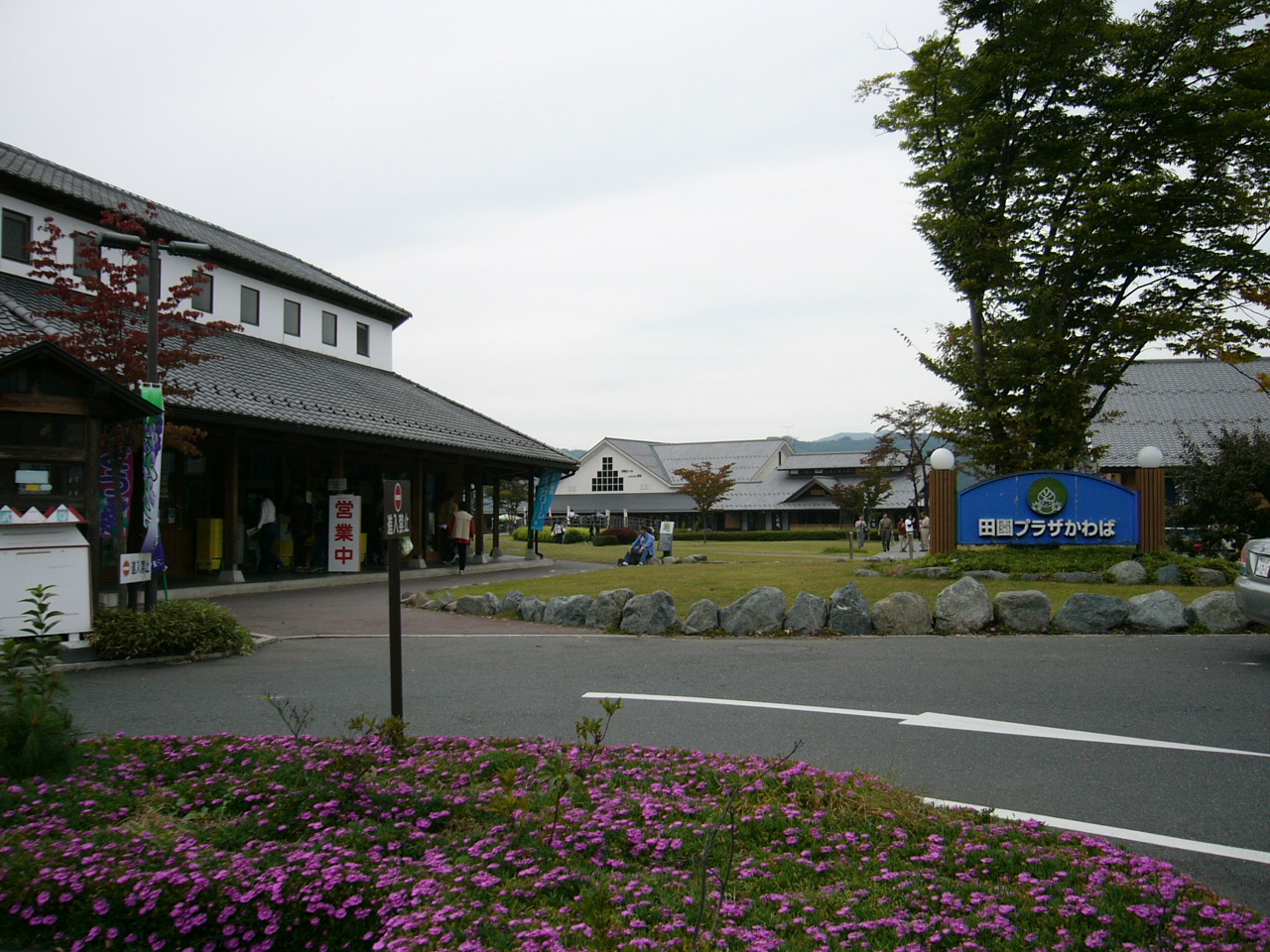
Kawaba Denen Plaza
Little knownMichi-no-eki are roadside stations — a network of highway rest stops with toilets, a farm shop and usually a canteen. Ka…
Plus de lieux à Préfecture de Gunma
 Yoshio Kohara / CC BY 3.0
Tomioka Silk Mill
Well knownTomioka Silk Mill (富岡製糸場, Tomioka Seishijo) is a UNESCO World Heritage Site and Japan's first modern mechanized silk-ree…
 Tomo / CC BY 2.0
Ikaho Onsen Stone Steps
Little knownIkaho Onsen (伊香保温泉) is a hillside hot spring resort centered on 365 stone steps (石段街, ishidan-gai) lined with ryokan, so…
Mt. Haruna & Lake Haruna
Little knownMt. Haruna (榛名山, 1,449m) is a dormant volcano with a crater lake (Lake Haruna, 榛名湖) at 1,100m elevation, surrounded by v…