
Cette page n'a pas encore été traduite et s'affiche en anglais.
Shiriyaki Onsen
Recherche et rédaction Hinato

Photo: Big Ben in Japan from Kawasaki, Japan / Wikimedia Commons (CC BY-SA 2.0) · original
At Shiriyaki the hot spring does not come out of a pipe into a tub — it comes up through the bed of the Nagasasa River, and the bath is the river. A low weir holds back a pool roughly thirty metres across, hot water rises through the gravel underfoot, and cold mountain water runs in from upstream, so the temperature varies depending on where you stand. Find your spot, and that is the bath.
There is no building, no attendant, no fee and no closing time. There is also no changing room, which is why most people arrive already wearing a swimsuit; the pool is mixed and swimsuits are the norm in it, though the small covered bath beside it follows ordinary onsen rules and swimsuits are not allowed there. Because it is a real river, it is at the mercy of the weather: after heavy rain the flow rises and the water cools, and there are days when it simply is not usable. The trade is that on a clear autumn afternoon you are sitting in a hot river under the trees with nothing built around you at all.
Baths like this one belong to a recognized category within Japan's onsen culture, sometimes called kawara-buro or riverbed baths, where hot spring water surfaces directly through a streambed rather than being piped into a built structure. They are more common in mountainous regions where geothermal activity sits close to a river course, and they represent one of the oldest forms of hot spring bathing in the country, predating the ryokan and public bathhouse traditions by a wide margin — travelers and locals would simply have used whatever natural pools the terrain provided long before anyone built a wooden tub around one.
The absence of management at Shiriyaki is deliberate rather than an oversight. Unlike commercial baths, which must maintain a consistent temperature and water quality for paying guests, an unmanaged riverbed bath is left to behave exactly as the geology dictates, which is part of its appeal to visitors seeking something unmediated. Local etiquette at sites like this tends to be informal but real — pack out any trash, keep noise reasonable given the mixed and open setting, and treat the lack of a fee as something maintained by mutual restraint rather than an absence of rules.
Informations essentielles
Horaires d'ouverture
Open 24 hrs (no lighting after dark — daylight visits recommended)
Fermé: Open year-round | Unusable after heavy rain or during high water
Tarif d'entrée
Free
Meilleure saison
Late September–November for autumn colour over the pool | Usable year-round in fair weather
Durée de visite
45–90 minutes
Comment s'y rendre
Informations d'accès
Guide d'initié
Réserver un hébergement à proximité
Trouvez un hébergement près de Shiriyaki Onsen sur ces plateformes de confiance :
Lieux à proximité
Les lieux secrets les plus proches de Shiriyaki Onsen, par distance à vol d'oiseau.
 雷太 / CC BY 2.0
Chatsubomigoke Park
Locally knownAt the far western edge of Nakanojo, in a basin formed by eruptions of Kusatsu-Shirane, warm acidic springs seep out of…
 KΛNΛTΛ / CC BY-SA 3.0
Kusatsu Onsen Yubatake
Locally knownKusatsu Onsen (草津温泉) is Japan's most famous hot spring resort, renowned for its yubatake (湯畑, 'hot water field') — a ste…
Kusatsu Onsen Ryokan Stay
Locally knownA night at a Kusatsu ryokan follows a ritual refined over centuries: check in around 15:00, change into the cotton yukat…
 高橋文武 / CC BY 3.0
Lake Nozori
Little knownLake Nozori sits at around 1,500 metres at the literal end of Route 405 — the road stops at the lake and does not contin…
Mt. Iwabitsu
Little knownMt. Iwabitsu is 802 metres of broken rock rising straight out of the Agatsuma valley, with a sheer south face that makes…
 迷惘的人生 / CC BY-SA 2.0
Jigokudani Snow Monkey Park
Well knownJigokudani Yaen-koen (地獄谷野猿公苑, 'Hell Valley Wild Monkey Park') is the only place in the world where wild Japanese macaqu…
Plus de lieux à Préfecture de Gunma
 Filler / CC BY-SA 3.0
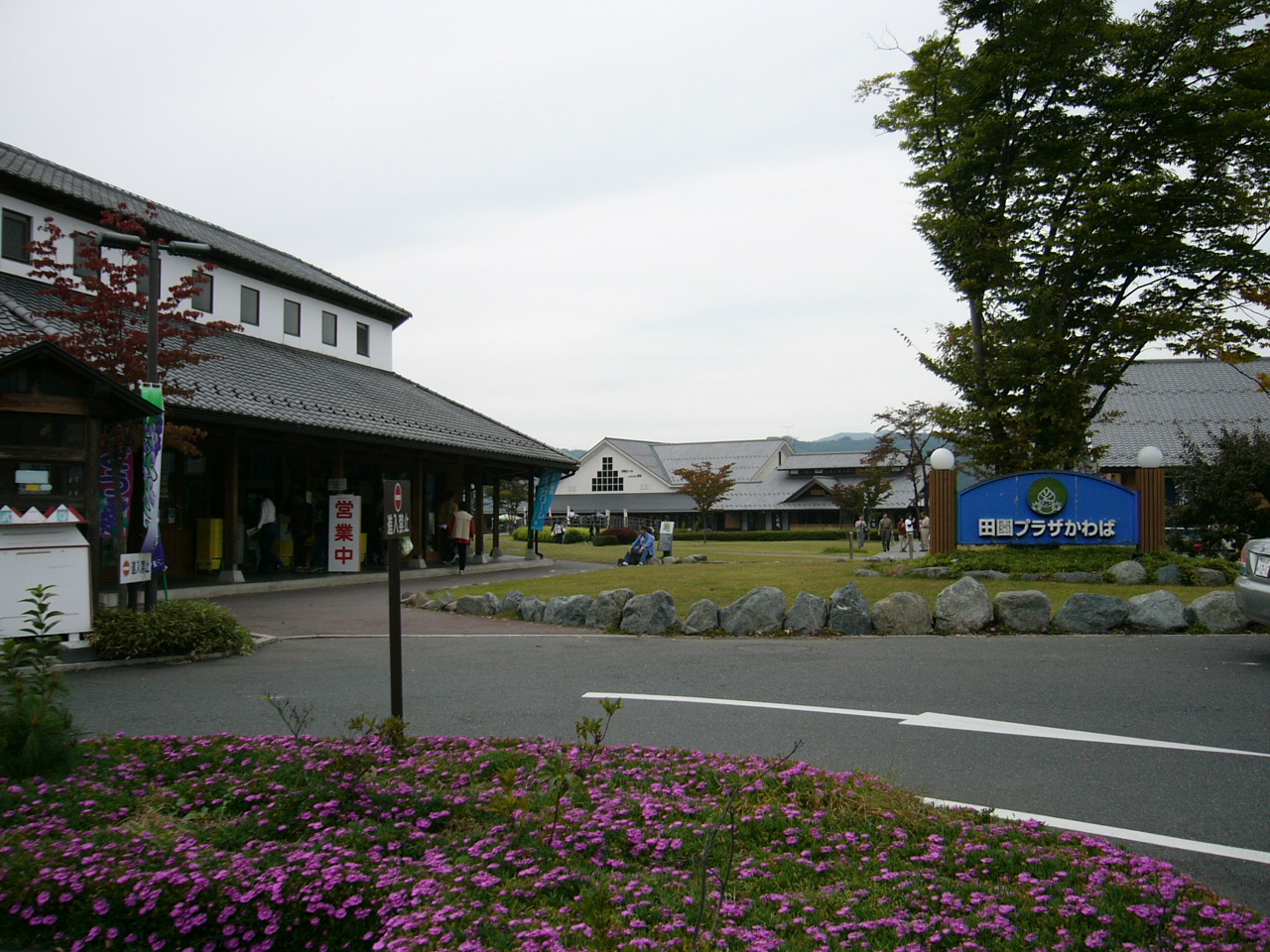
Kawaba Denen Plaza
Little knownMichi-no-eki are roadside stations — a network of highway rest stops with toilets, a farm shop and usually a canteen. Ka…
 Y.Kowashi / CC BY 3.0
Fujido Cave
Locally knownUeno is the least populated municipality in Gunma, deep in the mountains on the Saitama border, and Fujido is the reason…
 yt_siden / CC BY-SA 2.0
Tamaruya
Little knownMizusawa udon is counted among Japan's three great udon alongside Sanuki and Inaniwa, and it developed to feed pilgrims…