
このページはまだ翻訳されていないため、英語で表示しています。
Shussai Kiln
調査・執筆 Hinato

Photo: Nesnad / Wikimedia Commons (CC BY 4.0) · original
Shussai Kiln was started in 1947 by five local men in their twenties, none of them trained potters, who decided to make useful things for ordinary households. What turned it into something more was who noticed: Yanagi Soetsu, the founder of the mingei folk-craft movement, along with Kawai Kanjiro, Hamada Shoji and Bernard Leach, all of whom advised the young workshop. Their principle — that everyday objects made by anonymous hands can be beautiful precisely because they are not trying to be art — is still how the kiln works.
Nothing here is signed by an individual maker. The pieces are plates, bowls, cups and pots in a small number of glazes, the best known of which is a deep cobalt called Shussai blue. The showroom, Mujisho-kan, holds several thousand pieces at prices set for use rather than display, and the workshop is on the same site. For anyone who has read about mingei and only ever seen it behind museum glass, this is a working kiln you can buy from.
The mingei philosophy that shaped Shussai holds that beauty emerges from repetition and utility rather than individual artistic ambition — a potter throwing the same rice bowl shape hundreds of times over years develops an unconscious mastery that no amount of deliberate 'artistic' effort can replicate, and the resulting objects are meant to improve daily life rather than sit admired on a shelf. That principle is visible the moment you walk into the workshop: rows of identical bowls and plates drying before glazing, stacks of finished pieces sorted by size rather than by maker, and a general absence of the reverential hush that surrounds more famous studio-pottery destinations. Visitors who arrive expecting a single celebrated artisan are often surprised to find a small team working collaboratively, each person responsible for a stage of the process rather than an entire piece, which is itself a quiet argument for the mingei movement's central claim — that craftsmanship worth admiring doesn't require a signature to be genuine.
基本情報
営業時間
Mujisho-kan showroom 9:30 AM – 6:00 PM
定休日: Closed Tuesdays
料金
Free to enter | Pottery priced individually
ベストシーズン
Year-round
滞在目安
45–90 minutes
アクセス
アクセス情報
インサイダーガイド
近くのスポット
Shussai Kilnから直線距離で近い穴場スポットです。
Karakama Shrine
Little knownKarakama Shrine is reached by squeezing through a gap in a rock. The approach climbs a steep flight of stone steps into…
 Tatsuya Sakai / CC BY-SA 3.0
Tachikue Gorge
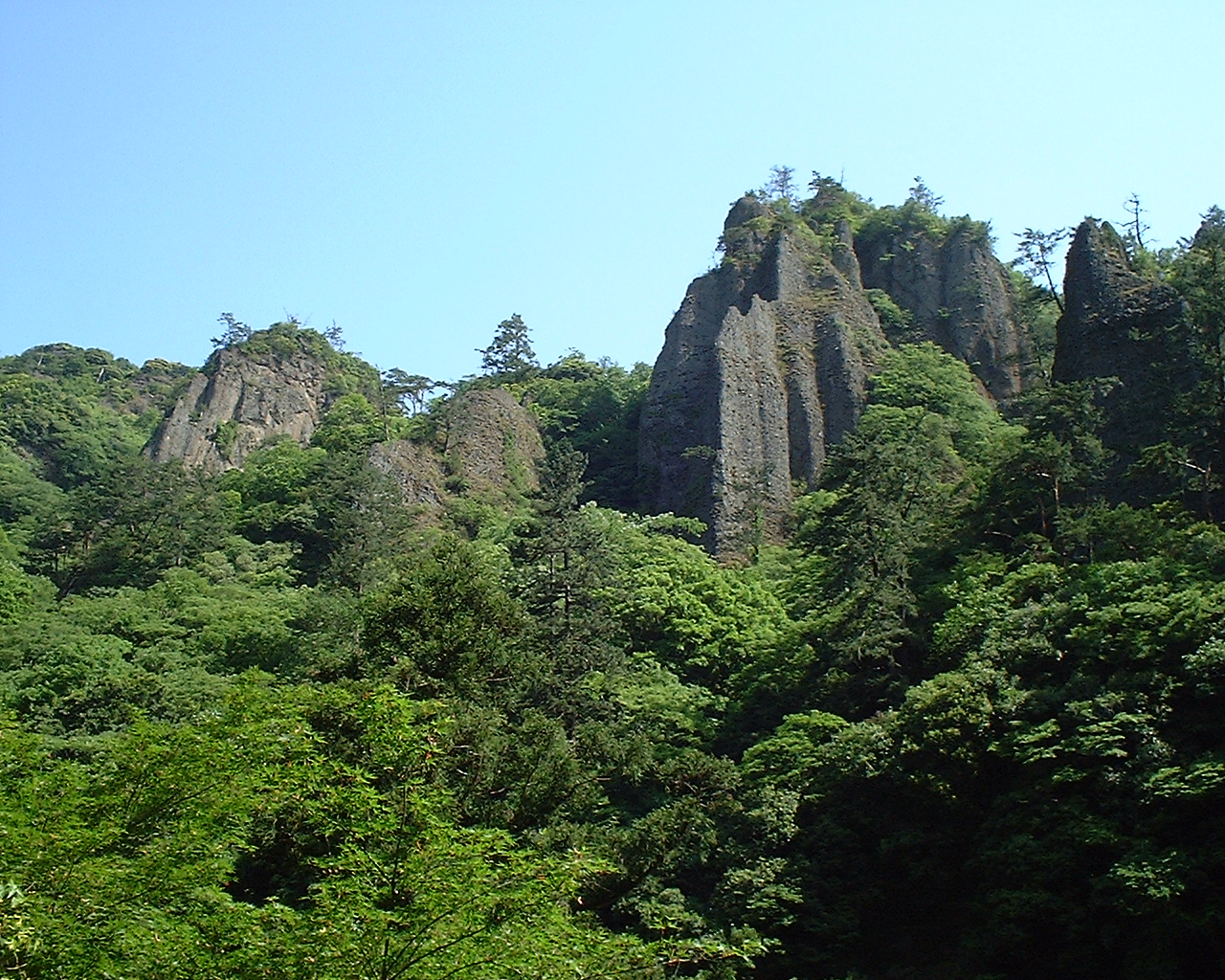
Little knownTwenty minutes from central Izumo, the Kando River runs between walls of columnar rock rising 100 to 200 metres — eroded…
 iku / CC BY-SA 4.0
Izumo Taisha
FamousIzumo Taisha is one of Japan's oldest shrines, maybe the oldest depending on who's counting. It's dedicated to Okuninush…
 boreal eye / CC BY 2.0
Izumo Soba
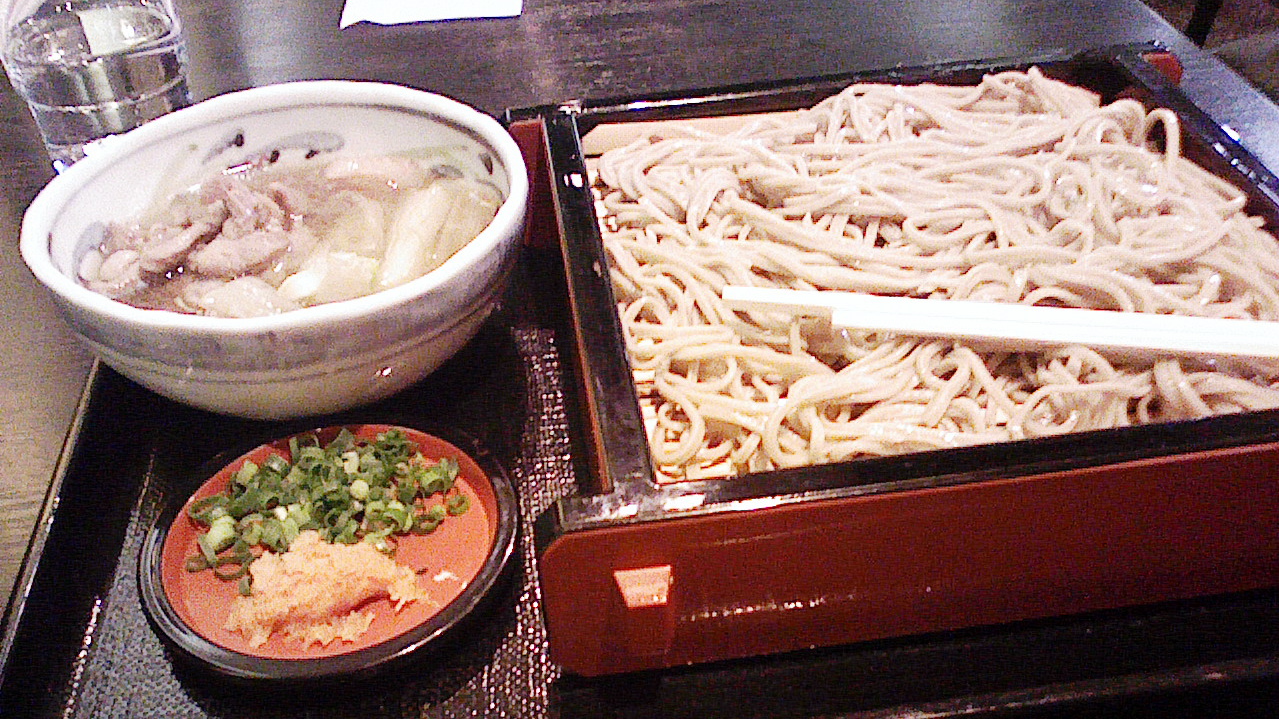
Little knownIzumo Soba (出雲そば) is Shimane's signature noodle dish, served in a unique warigo (割子) style: three small stacked lacquere…
Arakiya
Little knownThere are a dozen soba shops around Izumo Taisha and Arakiya is the oldest of them, founded in the Tenmei era of the 178…
 イメージイラスト(写真ではありません)
Ryuzugataki Falls
Little knownRyuzugataki is two waterfalls: the female fall at 30 metres and the male fall at 40, the larger of which is described as…
島根県のその他のスポット
 tanaka / CC BY-SA 4.0
Yuushien Garden
Little knownYuushien Garden (由志園) is a Japanese stroll garden on Daikonshima Island featuring 10,000+ peony flowers in a 40,000 m² l…
 スタジオ・フェイス / CC BY-SA 4.0
Hinomisaki Shrine & Lighthouse
Little knownHinomisaki (日御碕) is a dramatic cape at Shimane's western tip featuring Hinomisaki Shrine (vermillion shrine buildings) a…
Tamatsukuri Onsen
Little knownTamatsukuri Onsen (玉造温泉) is a 1,300-year-old hot spring resort famous for beautifying waters rich in sulfate and chlorid…