
이 페이지는 아직 번역되지 않아 영어로 표시됩니다.
Sakata Somaro
조사·집필 Hinato
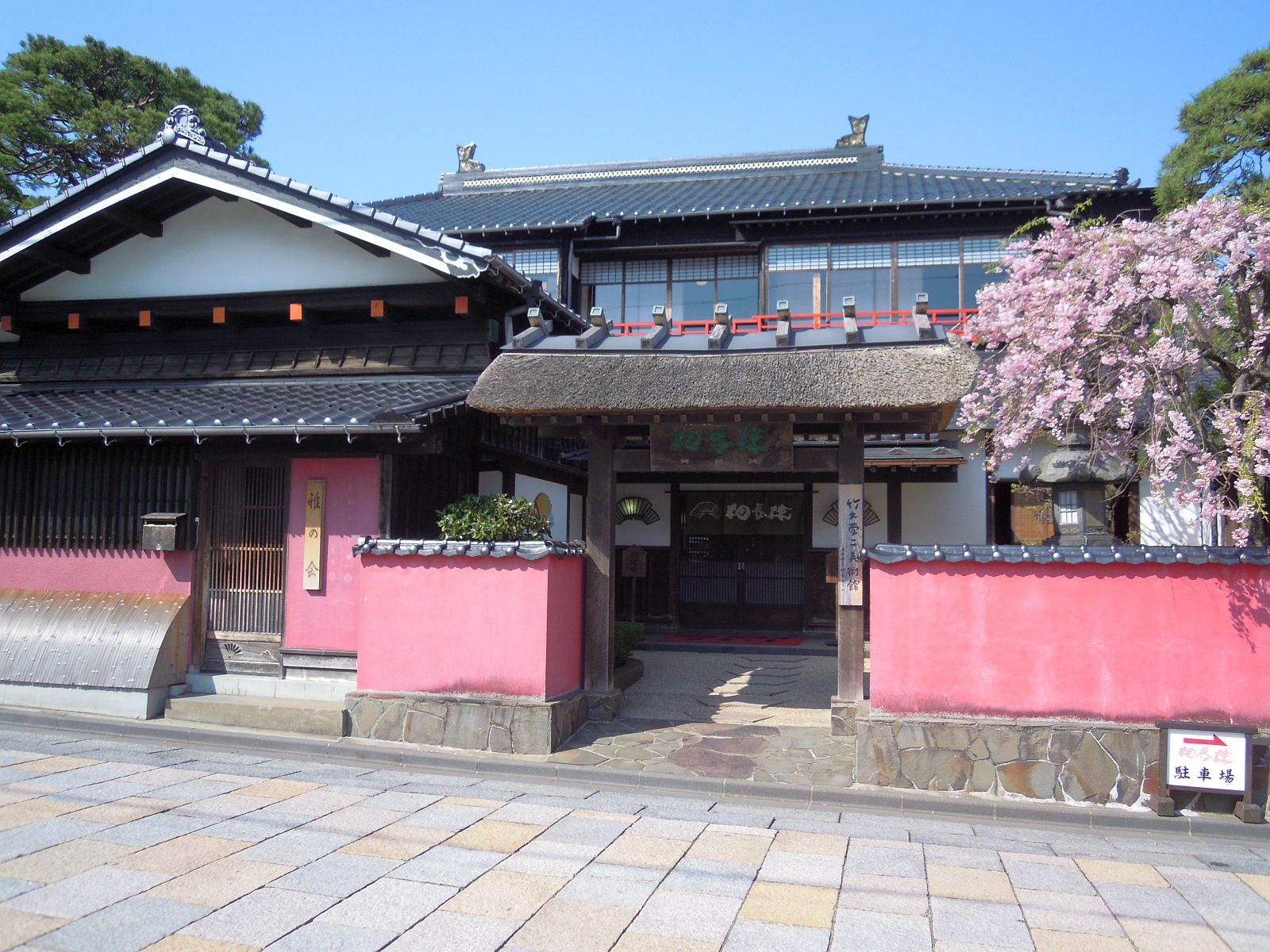
Photo: Yauchi / Wikimedia Commons (CC BY-SA 4.0) · original
Somaro (相馬樓) is a beautifully preserved Edo-period geisha house in the port city of Sakata, converted into a cultural museum and traditional entertainment venue. The building features elegant tatami rooms with painted sliding doors (fusuma), ornate transoms (ranma), and a traditional stage for performances. Today, Somaro offers daily maiko (apprentice geisha) dance performances accompanied by shamisen music, demonstrating classical dances from the Edo and Meiji periods. The ground floor houses a museum displaying historic geisha implements — elaborate kimono, hair ornaments (kanzashi), shamisen instruments, and photographs from Sakata's entertainment district heyday. The second floor serves kaiseki-style lunch with performance viewing (reservations required).
기본 정보
영업시간
10:00 AM – 5:00 PM | Maiko performance: 2:00 PM daily
휴무일: Closed Wednesdays
입장료
¥1,000 (includes museum + maiko performance) | Kaiseki lunch with performance: ¥4,000 (reservation required 2 days ahead)
베스트 시즌
Year-round; autumn and spring for the most comfortable weather to pair with walking Sakata's historic district
방문 소요 시간
2–2.5 hours (museum, performance, architecture exploration); add 1.5 hours if staying for kaiseki lunch
가는 방법
교통 정보
인사이더 가이드
주변 스팟
Sakata Somaro에서 직선거리로 가장 가까운 히든 스팟들입니다.
 掬茶 / CC BY-SA 4.0
Dewa Sanzan
Well knownDewa Sanzan (出羽三山, 'Three Mountains of Dewa') comprises Mt. Haguro, Mt. Gassan, and Mt. Yudono — three sacred peaks that…
Mt. Haguro Five-Story Pagoda
Locally knownThe Mt. Haguro Five-Story Pagoda is a 29-meter tall wooden pagoda standing in a primeval cedar forest, considered one of…
 wataru_95s / CC BY 4.0
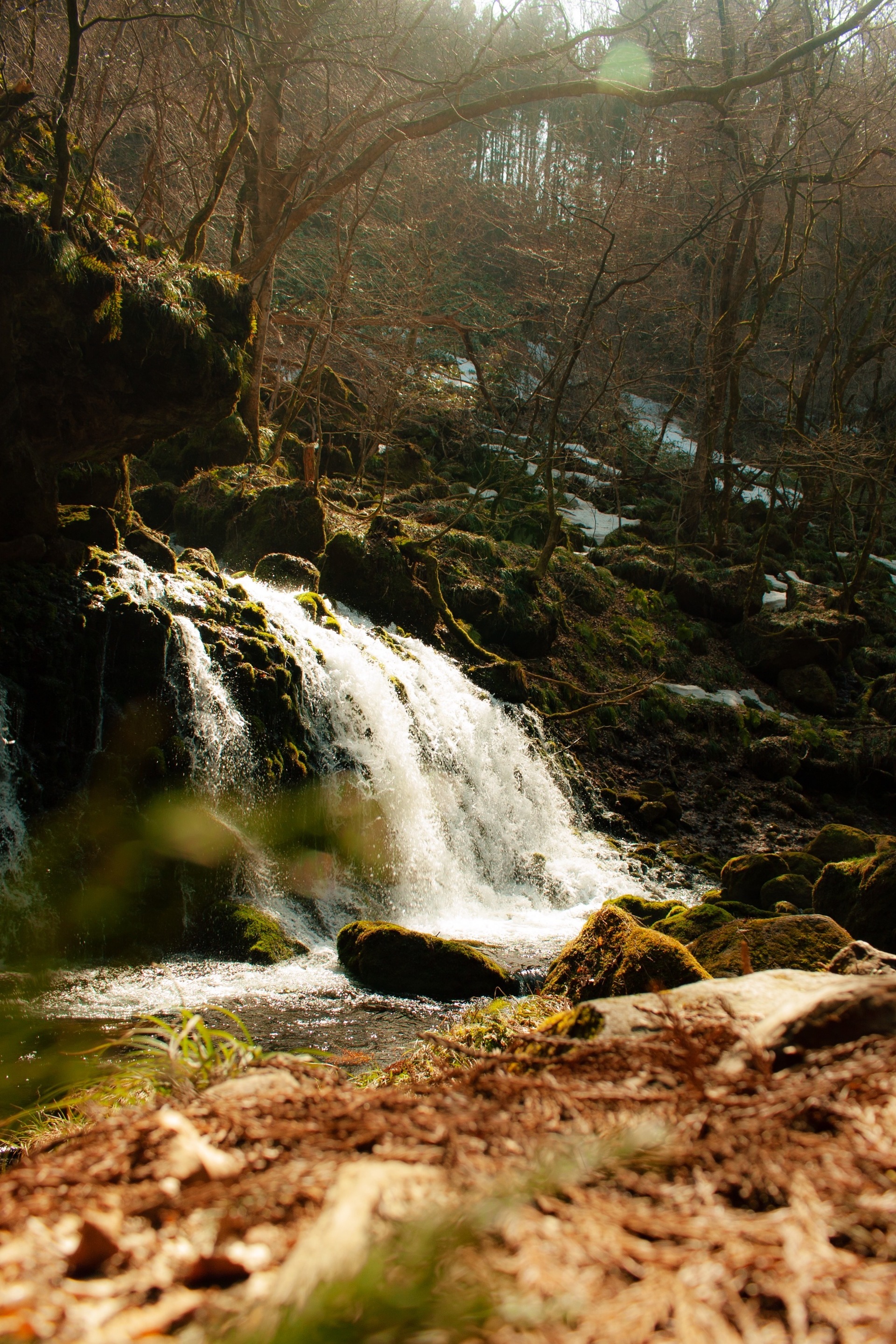
Mototaki Fukuryusui
Little knownRain and snowmelt on Mt. Chokai sink into the volcanic rock, travel underground for decades, and come out here — not ove…
 ブルーノ・プラス / CC BY 4.0
Mogami River Boat Ride
Little knownThe Mogami River is one of Japan's three most rapid rivers, flowing 224km from the mountains of southern Yamagata to the…
 掬茶 / CC BY-SA 4.0
Kisakata Kujukushima
Little knownBasho came to Kisakata in 1689 and wrote that Matsushima seems to smile while Kisakata seems to grieve. What he saw was…
 Raita Futo from Tokyo, Japan / CC BY 2.0
Gassan Ski Resort
Little knownMt. Gassan (月山, Moon Mountain, 1,984m) is one of the three sacred mountains of Dewa Sanzan and Japan's only ski resort w…
야마가타현의 다른 스팟 더 보기
 さかおり / CC BY-SA 4.0
Ginzan Onsen
FamousGinzan Onsen is 300 meters of Taisho-period (1912-1926) wooden ryokan squeezed into a mountain valley, three and four st…
 Qwert1234 / CC BY-SA 4.0
Yamagata Cherries
Little knownYamagata Prefecture produces 70% of Japan's cherry crop, earning its designation as the nation's cherry capital. The sig…
Yamagata Beef
Little knownYamagata beef is one of Japan's elite wagyu brands, produced from Japanese Black cattle raised in Yamagata's clean mount…