
이 페이지는 아직 번역되지 않아 영어로 표시됩니다.
Tsugaru Shamisen
조사·집필 Hinato

Photo: z tanuki / Wikimedia Commons (CC BY 3.0) · original
Tsugaru Shamisen (津軽三味線) is a percussive, emotionally raw style of shamisen (three-stringed Japanese lute) music originating in Aomori's Tsugaru region. Unlike elegant Tokyo shamisen styles used in kabuki and geisha performances, Tsugaru Shamisen was developed by blind itinerant musicians (bosama, 坊様) who performed on streets for money during the Edo and Meiji periods. The style is characterized by rapid, aggressive picking using a large plectrum (bachi, 撥), creating a driving rhythm and blues-like emotional intensity.
The sound is immediately recognizable — fast, percussive strikes interspersed with slides (glissandos), bends, and rhythmic slaps of the plectrum on the drum-like body. The music conveys the harsh winters, poverty, and resilience of rural Aomori. In recent decades, Tsugaru Shamisen has gained international recognition through virtuoso performers like the Yoshida Brothers, who blend traditional technique with modern rock and jazz influences.
Visitors can experience live Tsugaru Shamisen at specialized venues in Hirosaki and Goshogawara. The Tsugaru Shamisen Hall (津軽三味線会館) in Goshogawara offers daily performances (30 minutes) demonstrating the style's techniques and history, followed by an opportunity to try playing the instrument under guidance.
기본 정보
영업시간
Varies by venue — confirm before visiting
휴무일: Check schedule (may vary seasonally; confirm before visiting)
입장료
¥600 general / ¥400 student / ¥250 child (includes 30-min performance) | Hands-on shamisen trial: ¥500
베스트 시즌
Year-round | May for Tsugaru Shamisen National Competition in Hirosaki
방문 소요 시간
45-60 minutes (performance + optional hands-on trial)
가는 방법
교통 정보
인사이더 가이드
주변 스팟
Tsugaru Shamisen에서 직선거리로 가장 가까운 히든 스팟들입니다.
 Tomokazu Kitjaima / CC BY-SA 3.0
Tachineputa Matsuri
Little knownGoshogawara Tachineputa Matsuri (立佞武多, held August 4-8) is Aomori's second great summer festival, featuring the world's…
 Amiden / CC BY-SA 3.0
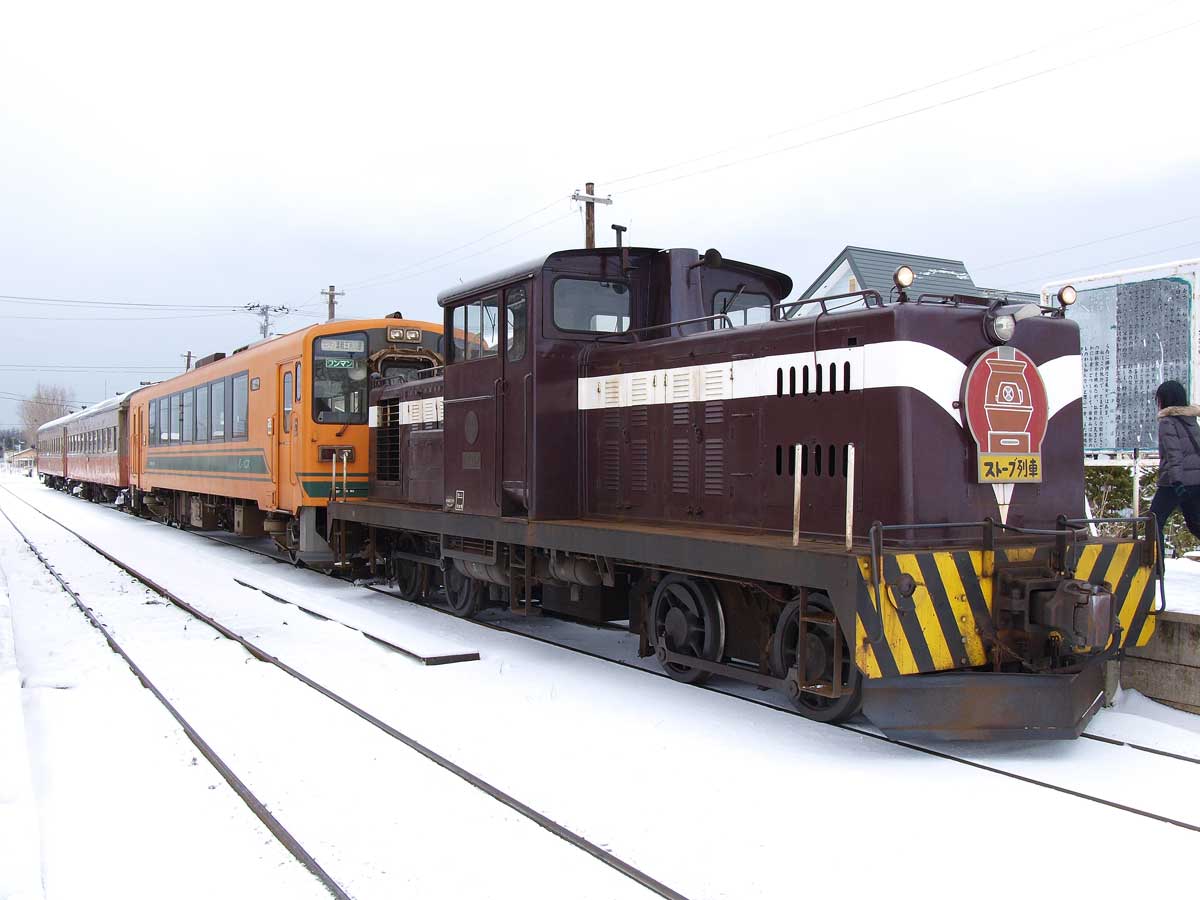
Tsugaru Railway Stove Train
Little knownThe Tsugaru Railway runs twenty kilometres north from Goshogawara across the flat snow country of the Tsugaru plain, and…
 掬茶 / CC BY-SA 4.0
Tsuru no Maihashi
Little knownThree timber arches in a row across a reservoir, three hundred metres end to end, built in 1994 from three thousand logs…
Shayokan
Locally knownDazai Osamu wrote No Longer Human and The Setting Sun, drowned himself in 1948 at thirty-eight, and is read by essential…
 D-Chillz / CC BY-SA 4.0
Takayama Inari Shrine
Little knownEveryone photographs the tunnel of torii at Fushimi Inari in Kyoto, packed shoulder to shoulder. Takayama Inari has some…
 あおもりくま(aomorikuma) / CC BY-SA 3.0
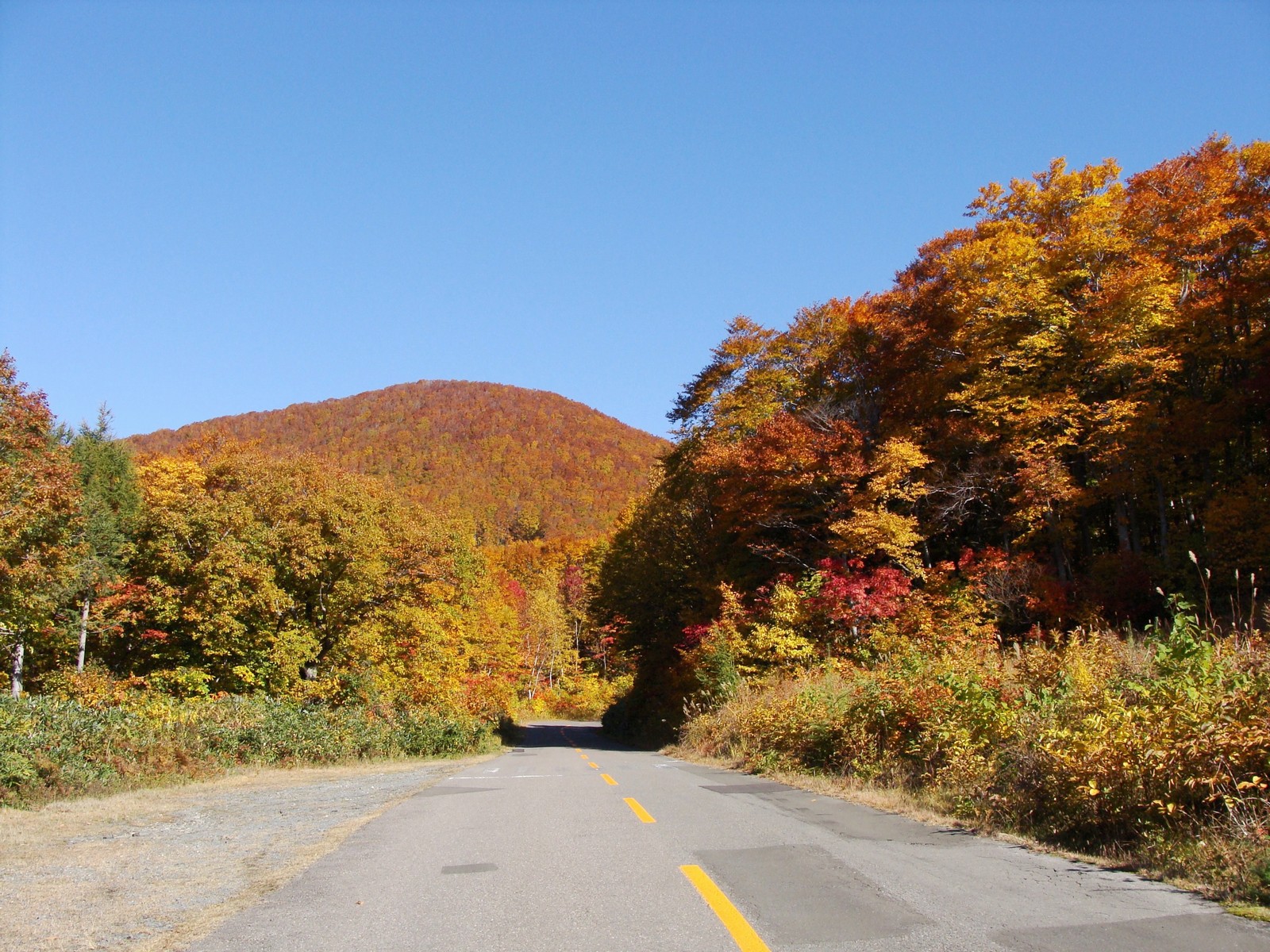
Tsugaru-Iwaki Skyline
Little knownThe Tsugaru-Iwaki Skyline (岩木山スカイライン) is a 9.8-kilometer toll road ascending Mt. Iwaki (岩木山, 1,625m), Aomori's most icon…
아오모리현의 다른 스팟 더 보기
 Gfievet / CC BY-SA 4.0
Tanesashi Coast
Little knownThe unusual thing about Tanesashi is that the grass runs to the rocks. Natural turf — grazed by horses for centuries, wh…
 iloverjoa / CC BY 3.0
Sukayu Onsen
Little knownThe bath at Sukayu is a single room of 160 tatami mats, floored and walled entirely in hiba cypress with no metal or til…
Myoko
Little knownKuroishi's local dish is a solution to a specific problem: what to do with yakisoba in a town where the snow reaches the…