
Top 10 Spots in Kyoto
Kyoto served as Japan's capital for 1,000 years (794-1868), and the city's 2,000+ temples and shrines preserve that imperial legacy. These 10 spots span Kyoto's greatest hits — golden pavilions, geisha districts, torii gate tunnels, and bamboo groves. Most require careful timing to avoid tour bus crowds: early mornings (before 8am) or late afternoons (after 5pm) make the difference between contemplation and frustration.
Why #1?
10,000 torii gates tunnel up Mt. Inari. Free, open 24/7, and Kyoto's most photographed sight.
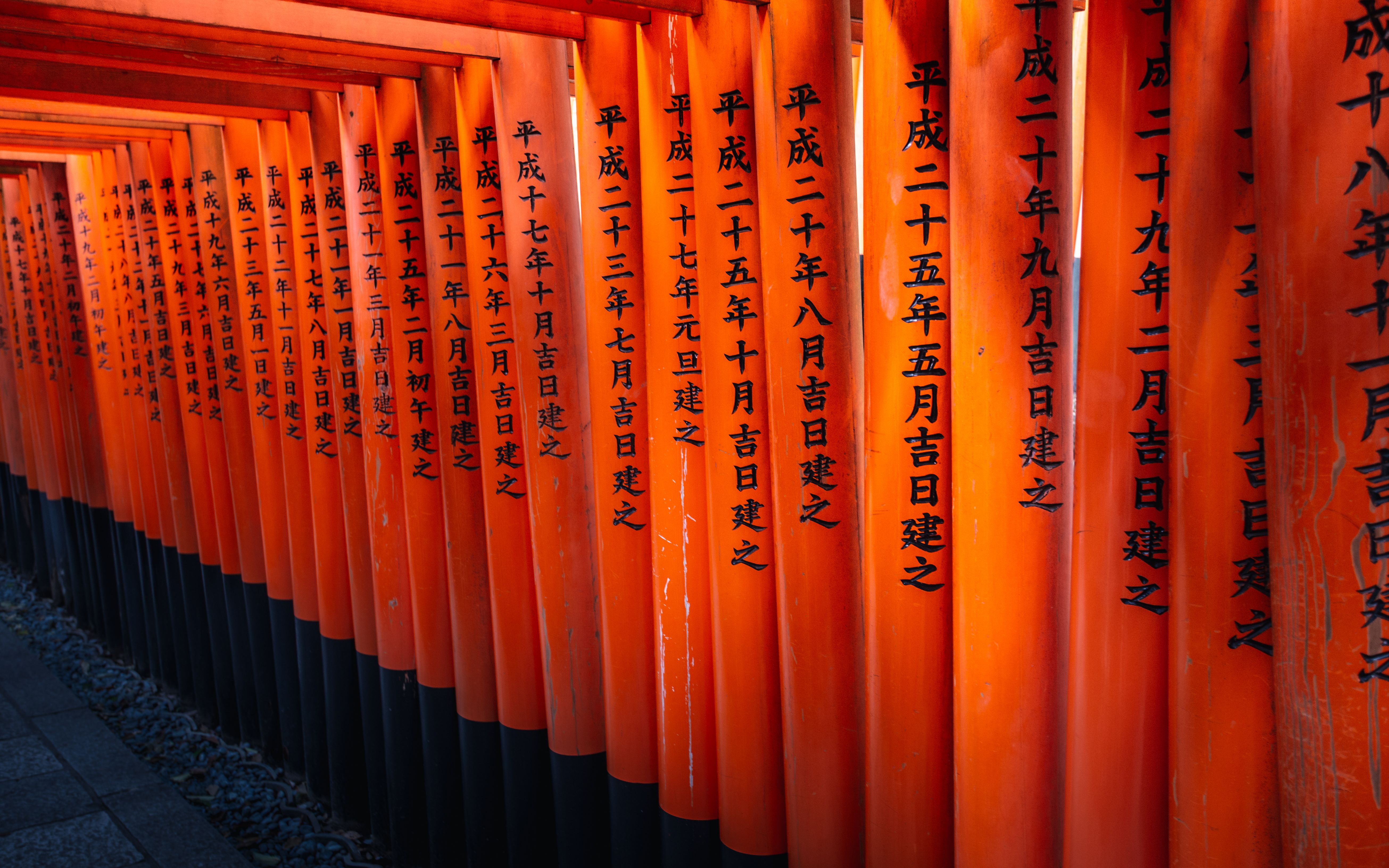
Fushimi Inari Taisha
Fushimi Inari Taisha is Kyoto's most iconic shrine, famous for the Senbon Torii (千本鳥居, 'thousands of torii gates') — a t…
Why #2?
Gold-leaf Zen temple reflected in a mirror pond. Arrive at 9am opening for minimal crowds.
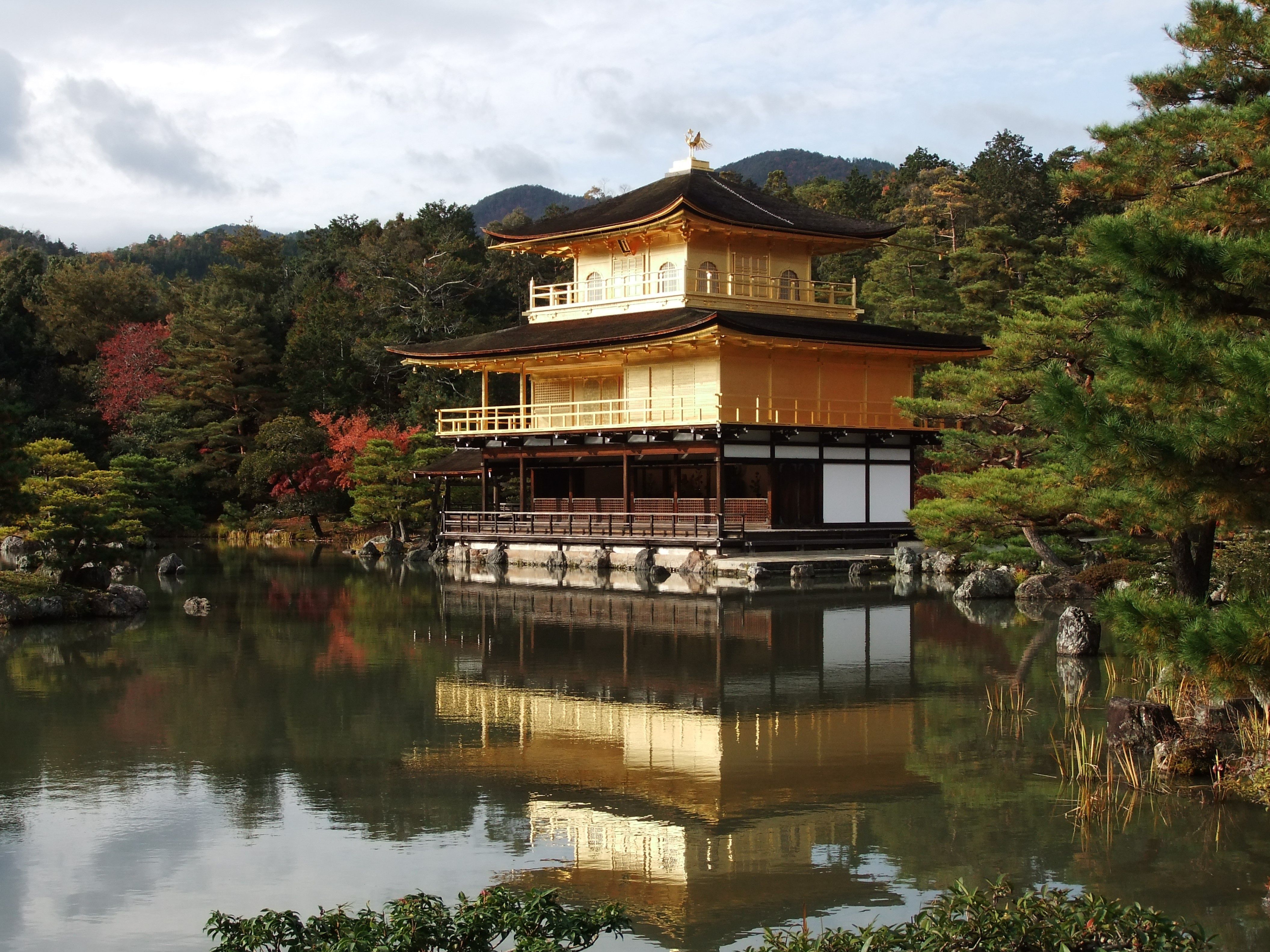
Kinkaku-ji Golden Pavilion
Kinkaku-ji (金閣寺, 'Temple of the Golden Pavilion') is a three-story Zen Buddhist temple covered in pure gold leaf, reflec…
Why #3?
Towering bamboo stalks create natural cathedral. Visit before 8am or after 6pm to avoid tour groups.

Arashiyama Bamboo Grove
The Arashiyama Bamboo Grove (嵯峨野の竹林) is a path through thousands of towering bamboo stalks that create a natural cathedr…
Why #4?
Wooden stage 13m above a hillside with panoramic city views. Built without nails in 780 AD (current structure 1633).

Kiyomizu-dera
Kiyomizu-dera (清水寺, 'Pure Water Temple') is a UNESCO World Heritage temple famous for its wooden stage (清水の舞台, Kiyomizu…
Why #5?
Geisha district with wooden machiya houses and lantern-lit streets. Evening strolls offer occasional geiko sightings.

Gion District
Gion (祇園) is Kyoto's most famous geisha district (hanamachi, 花街 'flower town'), where traditional wooden machiya townhou…
Why #6?
400-year-old covered food market with pickles, yuba, matcha sweets, and free samples. Kyoto's culinary encyclopedia.

Nishiki Market
Nishiki Market (錦市場, Nishiki Ichiba) is a narrow covered arcade housing 100+ specialist food vendors selling Kyoto's sea…
Why #7?
2km canal-side walk with 400 cherry trees. Less crowded alternative to major temples for peaceful Kyoto experience.
Philosopher's Path
The Philosopher's Path (哲学の道, Tetsugaku no Michi) is a 2-kilometer stone walkway following a canal lined with hundreds o…
Why #8?
Japan's most famous rock garden — 15 stones in raked gravel. The minimalist Zen aesthetic perfected.

Ryoan-ji Rock Garden
Ryoan-ji Temple (龍安寺) houses Japan's most famous Zen rock garden (枯山水, karesansui 'dry landscape') — a rectangular plot…
Why #9?
Multi-course haute cuisine experience. Reserve Kikunoi, Hyotei, or Gion Karyo 1-3 months in advance.

Kyoto Kaiseki
Walk into Kikunoi and the room falls silent except for water trickling in the courtyard garden. Your server places a lac…
Why #10?
Wooden bridge over maple valley. Autumn (November) draws massive crowds; visit spring or summer for solitude.

Tofuku-ji Temple
Tofuku-ji Temple (東福寺) is Kyoto's premier autumn foliage destination, featuring 2,000 maple trees that create a 'sea of…
Explore More Rankings
Discover other curated lists to plan your perfect Japan itinerary
View All Rankings