
Fushimi Inari Taisha
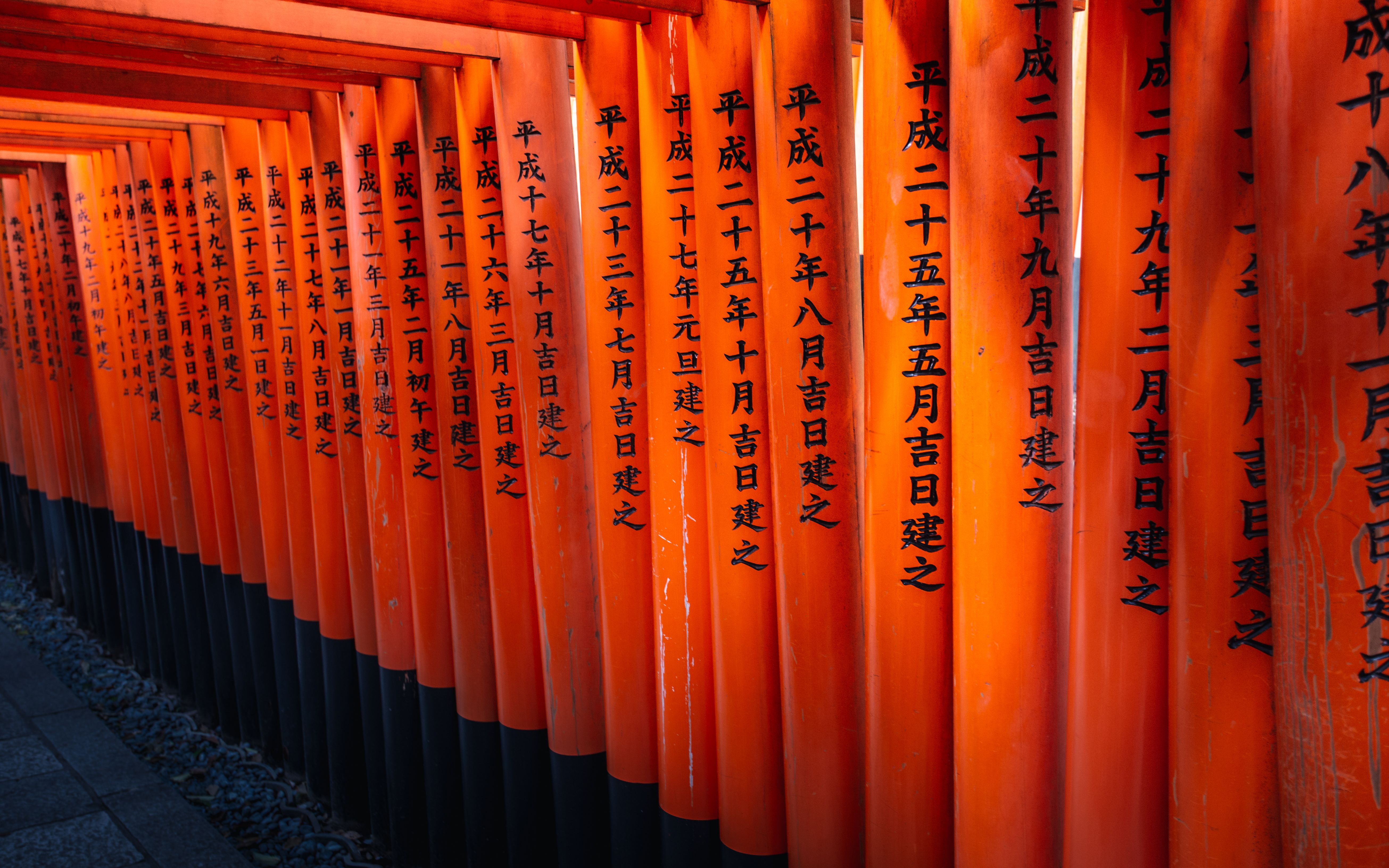
Fushimi Inari Taisha is Kyoto's most iconic shrine, famous for the Senbon Torii (千本鳥居, 'thousands of torii gates') — a tunnel of over 10,000 vermillion torii gates that wind up the sacred Mt. Inari (233m). The path ascends through bamboo groves and sub-shrines dedicated to Inari, the Shinto deity of rice, agriculture, and business prosperity. Fox statues (Inari's messengers) appear throughout the mountain.
The shrine is open 24/7 with no admission fee, making it Kyoto's most visited site. The torii tunnel extends 4km to the summit, requiring 2–3 hours round-trip for the full hike.
Essential Information
Opening Hours
24/7 (always open)
Closed: Open year-round
Entrance Fee
Free
Best Season
Year-round (early morning for light through torii, autumn for foliage)
Visit Duration
1 hour (main shrine and lower torii) | 2-3 hours (summit hike)
Getting There
Access Information
Detailed Access & Timing
Nearest Station
JR Inari Station (JR Nara Line) - 5 min walk | Fushimi-Inari Station (Keihan Main Line) - 5 min walk
Travel Time
From Kyoto Station: 5 min via JR Nara Line (2 stops) | From Osaka: 50 min via Keihan Express | From Tokyo: 2 hours 30 min via Shinkansen to Kyoto + JR
How to Get There
Train: From Kyoto Station, take JR Nara Line to Inari Station (5 min, ¥150). Or take Keihan Main Line to Fushimi-Inari Station. Bus: Kyoto City Bus routes 南5 stop near shrine entrance. Taxi: 15 min from Kyoto Station (¥1,500-2,000).
Best Time to Visit
Early morning (before 7:00 AM) for solitude and side-lit torii photography. Evening (after 6:00 PM) when tour groups depart. Weekday mornings significantly quieter than weekends.
Crowd Avoidance Tips
Main shrine area extremely crowded 9:00 AM-5:00 PM daily. Lower torii tunnel packed 10:00 AM-4:00 PM. Continue past first 15 minutes of torii to reduce crowds by 90%. Avoid cherry blossom season (early April), Golden Week (late April-early May), and autumn foliage weekends (November). Night visits offer solitude but require flashlight for upper trails.
Parking Information
No dedicated parking. Nearby coin parking: ¥600-800/day (limited spaces). Public transport strongly recommended due to limited parking and excellent train access.
Insider Guide
Book Your Stay Nearby
Find accommodation close to Fushimi Inari Taisha on these trusted booking platforms:
Nearby Spots
The closest hidden gems to Fushimi Inari Taisha, by straight-line distance.

Tofuku-ji Temple
Tofuku-ji Temple (東福寺) is Kyoto's premier autumn foliage destination, featuring 2,000 maple trees that create a 'sea of…

Sanjusangen-do
Sanjusangen-do (三十三間堂, 'Hall with 33 Bays') is a 120-meter-long wooden hall containing 1,001 life-size golden statues of…
Sanjusangen-do Archery
Every January (second Sunday), Sanjusangen-do Temple hosts Toshiya (通し矢) — a coming-of-age archery ceremony where 20-yea…

Kyoto Station Building
Kyoto Station (京都駅) is a controversial modern architectural landmark designed by Hiroshi Hara (completed 1997). The 15-s…
Kyoto Gyoza
While gyoza (餃子, Chinese-style dumplings) originated in China, Kyoto has developed its own regional style emphasizing ve…

Shosei-en Garden
Shosei-en Garden (渉成園), also called Kikoku-tei, is a tranquil 10-acre stroll garden just east of Kyoto Station — remarka…
More in Kyoto
Maiko Makeover
Maiko makeover experiences allow participants to undergo full transformation into apprentice geisha: traditional white m…
Miyama Kayabuki Village
Thirty-eight farmhouses with roofs made of miscanthus grass, some piled a meter thick. No power lines. Miyama exists in…
Kifune Shrine
Kifune Shrine (貴船神社) sits in a forested mountain valley north of Kyoto, famous for its summer river dining platforms (川床…