
Top 20 Tourist Spots in Japan
The ultimate guide to Japan's most iconic destinations. From ancient temples in Kyoto to Tokyo's neon-lit streets, these 20 spots represent the best of Japanese culture, nature, and modern innovation. Whether you're drawn to sacred shrines, cutting-edge technology districts, or pristine mountain landscapes, this list covers the experiences that define travel in Japan.
Why #1?
10,000 vermillion torii gates create Japan's most photographed sight. The tunnel through Mount Inari is accessible 24/7 and free.
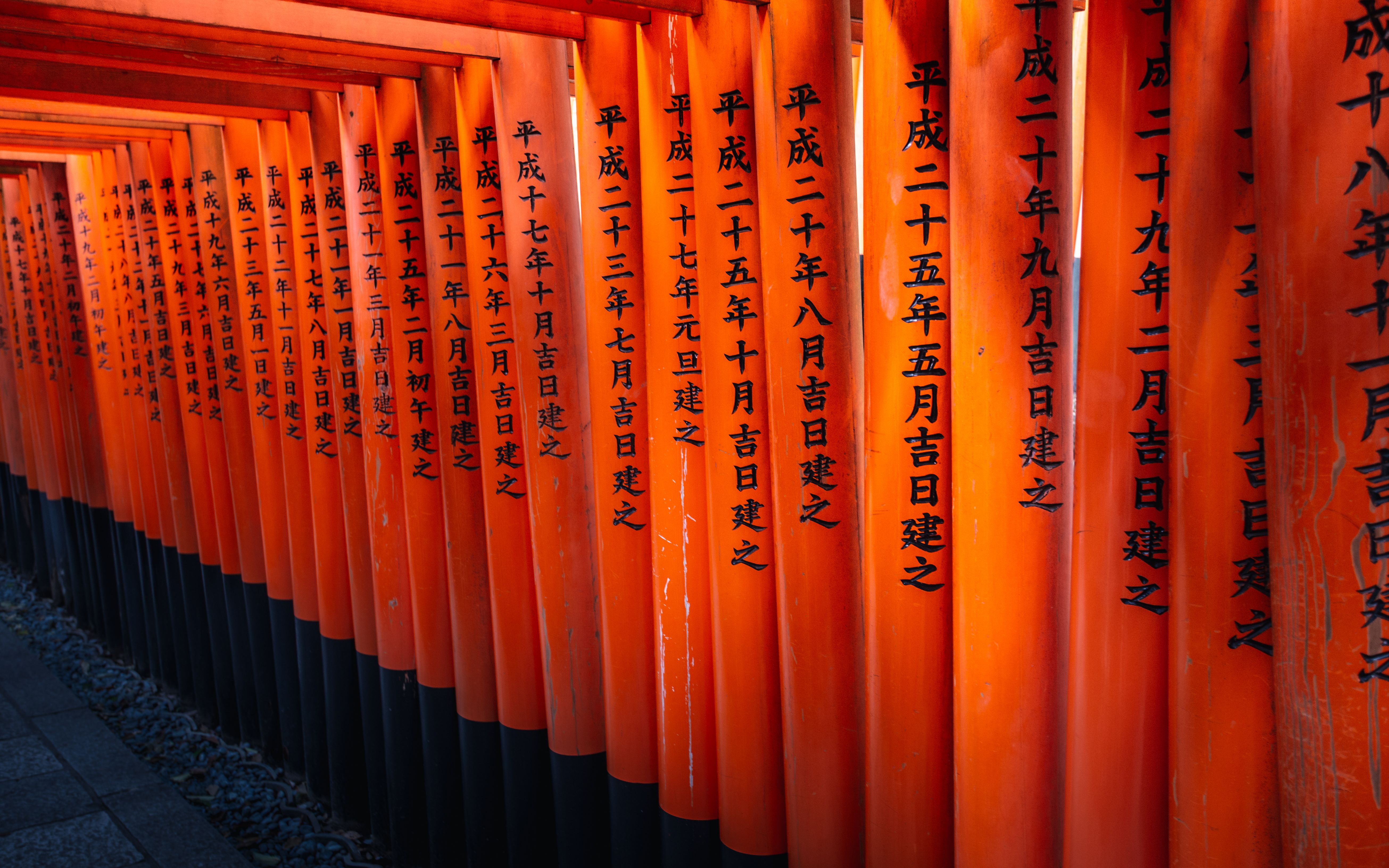
Fushimi Inari Taisha
Fushimi Inari Taisha is Kyoto's most iconic shrine, famous for the Senbon Torii (千本鳥居, 'thousands of torii gates') — a t…
Why #2?
A Zen temple covered in pure gold leaf reflecting in a mirror pond. The image that defines Kyoto's aesthetic perfection.
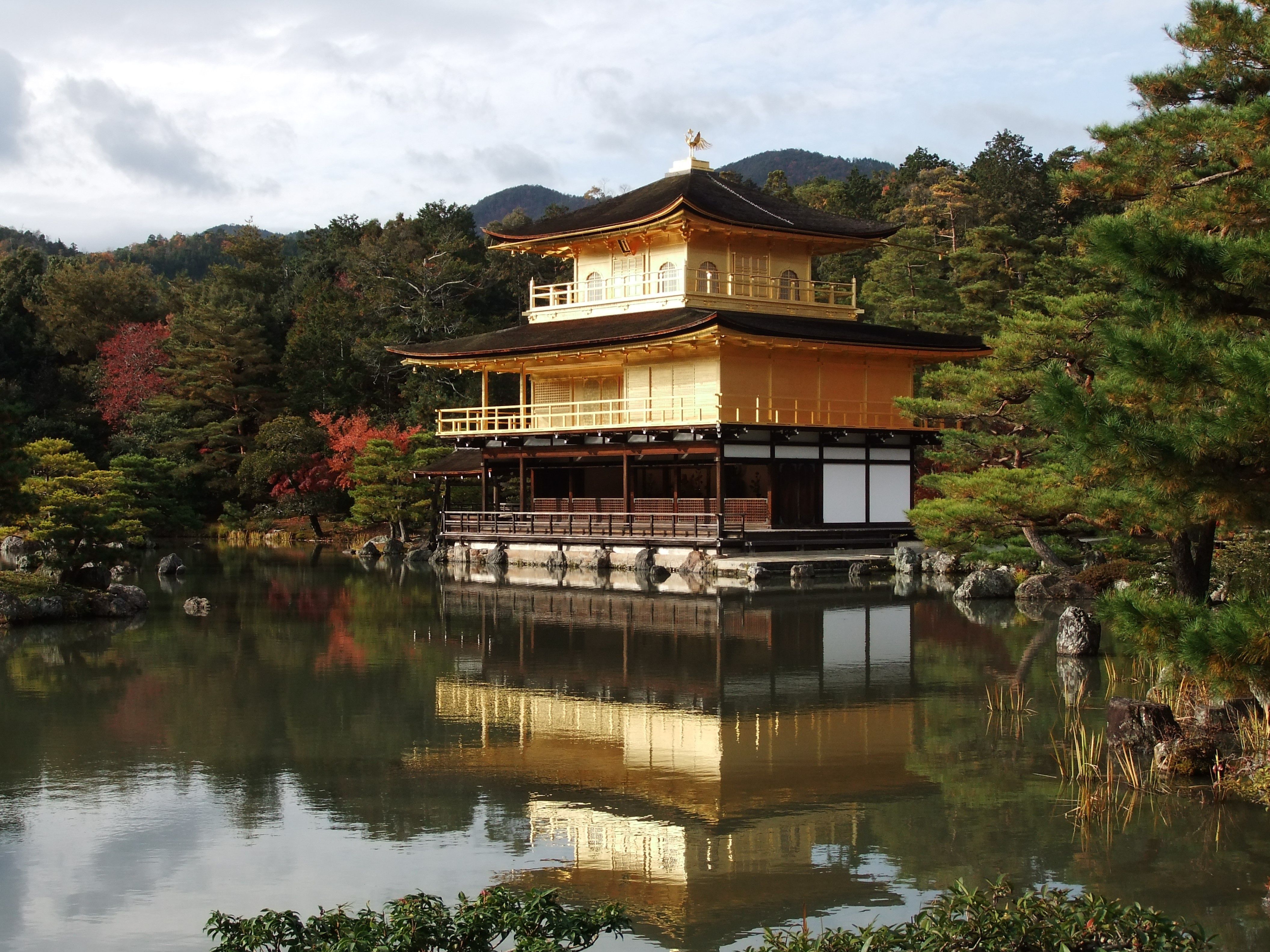
Kinkaku-ji Golden Pavilion
Kinkaku-ji (金閣寺, 'Temple of the Golden Pavilion') is a three-story Zen Buddhist temple covered in pure gold leaf, reflec…
Why #3?
The world's busiest intersection where 3,000 people cross simultaneously. Tokyo's most iconic urban spectacle.

Shibuya Scramble Crossing
Shibuya Scramble Crossing (渋谷スクランブル交差点) is the world's busiest pedestrian intersection, where up to 3,000 people cross s…
Why #4?
Tokyo's oldest Buddhist temple (645 AD) with the massive Kaminarimon thunder gate and 250m Nakamise shopping street.
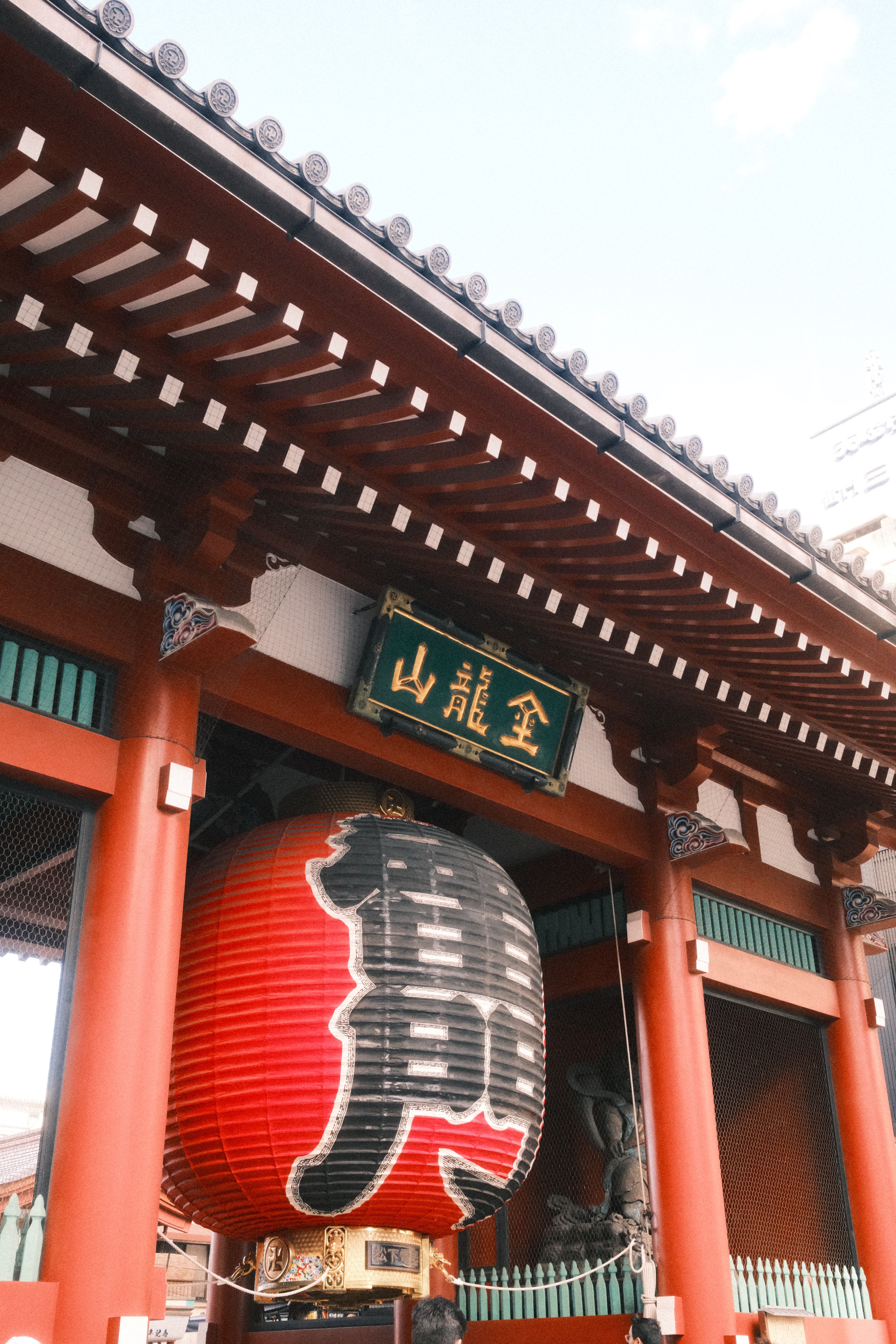
Senso-ji Temple
Senso-ji (浅草寺) is Tokyo's oldest and most significant Buddhist temple, founded in 645 AD after two fishermen discovered…
Why #5?
Towering bamboo stalks create a natural cathedral with ethereal light and rustling wind sounds. Kyoto's most serene walk.

Arashiyama Bamboo Grove
The Arashiyama Bamboo Grove (嵯峨野の竹林) is a path through thousands of towering bamboo stalks that create a natural cathedr…
Why #6?
Japan's sacred 3,776m volcano and UNESCO World Heritage site. Visible from Tokyo on clear days, climbable July-September.

Mt. Fuji
Mount Fuji (富士山, Fuji-san) at 3,776 meters doesn't just loom over the Kanto plain—it commands it. The Shizuoka side owns…
Why #7?
The floating torii gate in the sea becomes one of Japan's three most scenic views at high tide.

Itsukushima Shrine
Itsukushima Shrine (厳島神社) rebuilt in 1168 by Taira no Kiyomori, sits on stilts because Miyajima itself was considered to…
Why #8?
A 16th-century fortress with gold-leaf details, surrounded by 2 million cherry trees. Osaka's most recognizable landmark.

Osaka Castle
Osaka Castle (大阪城) was built by warlord Toyotomi Hideyoshi in 1583 as headquarters for his unification of Japan. The cur…
Why #9?
The world's tallest tower at 634m with observation decks at 350m and 450m offering 360-degree Tokyo views.

Tokyo Skytree
Tokyo Skytree punches through the skyline at 634 meters (2,080 feet) — the tallest tower on the planet, though locals wi…
Why #10?
1,200+ sacred deer roam freely among temples. Visitors feed them senbei crackers — a uniquely Japanese wildlife experience.

Nara Park
Nara Park (奈良公園) is a 660-hectare park where over 1,200 wild sika deer roam freely among visitors, temples, and open mea…
Why #11?
A digital art museum where installations flow between rooms. No map, no predetermined path — pure immersive wonder.

teamLab Borderless
Walking into teamLab Borderless (チームラボボーダレス) feels like stepping through a screen into someone's fever dream. The space…
Why #12?
The epicenter of kawaii culture with 350m of youth fashion, character goods, and Instagram-worthy crepe stands.

Takeshita Street
Takeshita Street (竹下通り, Takeshita-dori) is a 350-meter pedestrian alley in Harajuku, lined with shops selling kawaii (cu…
Why #13?
Kyoto's geisha district with wooden machiya houses, lantern-lit streets, and occasional geiko sightings at dusk.

Gion District
Gion (祇園) is Kyoto's most famous geisha district (hanamachi, 花街 'flower town'), where traditional wooden machiya townhou…
Why #14?
The skeletal ruins preserved as a UNESCO site. A sobering reminder of August 6, 1945, and a peace monument.

Atomic Bomb Dome
The Atomic Bomb Dome (原爆ドーム, Genbaku Dome), officially the Hiroshima Peace Memorial, is the skeletal remnant of the Hiro…
Why #15?
Tokyo's otaku mecca with 8-story anime shops, retro game arcades, maid cafes, and electronics superstores.

Akihabara Electric Town
Akihabara (秋葉原, often shortened to 'Akiba') is Tokyo's electronics and otaku (geek) culture district, a dense 500-meter…
Why #16?
A Shinto shrine within 175 acres of urban forest. The 10-minute tree-lined walk from Harajuku transitions you into sacred space.

Meiji Shrine
Meiji Shrine (明治神宮, Meiji Jingu) is a Shinto shrine dedicated to Emperor Meiji and Empress Shoken, set within 175 acres…
Why #17?
Osaka's neon-lit food paradise along a canal. Giant 3D signs, takoyaki stands, and the energy of Japan's kitchen.

Dotonbori
Dotonbori (道頓堀) is Osaka's most iconic entertainment district — a neon-lit canal lined with restaurants, bars, and massi…
Why #18?
A wooden stage 13m above a hillside without a single nail. The Kyoto cityscape view is stunning year-round.

Kiyomizu-dera
Kiyomizu-dera (清水寺, 'Pure Water Temple') is a UNESCO World Heritage temple famous for its wooden stage (清水の舞台, Kiyomizu…
Why #19?
Tokyo's seafood and street food market. Ultra-fresh sushi breakfasts, tamagoyaki, and 400+ shops in organized chaos.

Tsukiji Outer Market
Tsukiji Outer Market (築地場外市場, Tsukiji Jogai Shijo) is a 300-meter network of alleys and shops selling fresh seafood, pro…
Why #20?
Tokyo's largest nightlife district with 3,000+ bars, Golden Gai's tiny establishments, and vertical neon for days.

Shinjuku Kabukicho
Kabukicho (歌舞伎町) is Tokyo's largest entertainment and red-light district, a neon-soaked maze of narrow alleys packed wit…
Explore More Rankings
Discover other curated lists to plan your perfect Japan itinerary
View All Rankings