

Photo: nakashi from Chofu, Tokyo, JAPAN / Wikimedia Commons (CC BY-SA 2.0)
Akihabara (秋葉原, often shortened to 'Akiba') is Tokyo's electronics and otaku (geek) culture district, a dense 500-meter area packed with multi-story electronics shops, anime/manga stores, video game arcades, maid cafes, and figure shops. The district evolved from post-WWII black market radio parts dealers to 1980s electronics superstore hub to today's anime-manga-gaming pilgrimage site. The streets are lined with neon signs, anime character billboards, and loudspeakers blasting J-pop and anime theme songs.
The district's defining features: Yodobashi Camera (8 floors of every electronic device imaginable), Mandarake (8-story used manga/anime goods), Super Potato (retro video game paradise), and themed maid cafes where waitresses in Victorian maid costumes serve food with kawaii performances. Akihabara is overwhelming sensory overload, but it represents a genuine subculture — not a tourist simulation.
Essential Information
Opening Hours
District open 24/7 | Maid cafes: 11:00 AM – 10:00 PM
Closed: No regular closures (most shops open daily)
Entrance Fee
Free to explore | Maid cafe: ¥500–1,000 entry + food/drinks (¥2,000–3,000 per person)
Best Season
Year-round (weekday mornings for less crowded shopping)
Visit Duration
2-3 hours
Getting There
Access Information
Insider Guide
Nearby Spots
The closest hidden gems to Akihabara Electric Town, by straight-line distance.

Ueno Park
Ueno Park (上野恩賜公園, Ueno Onshi Koen) is Tokyo's largest public park (133 acres), housing five major museums, a zoo, shrin…
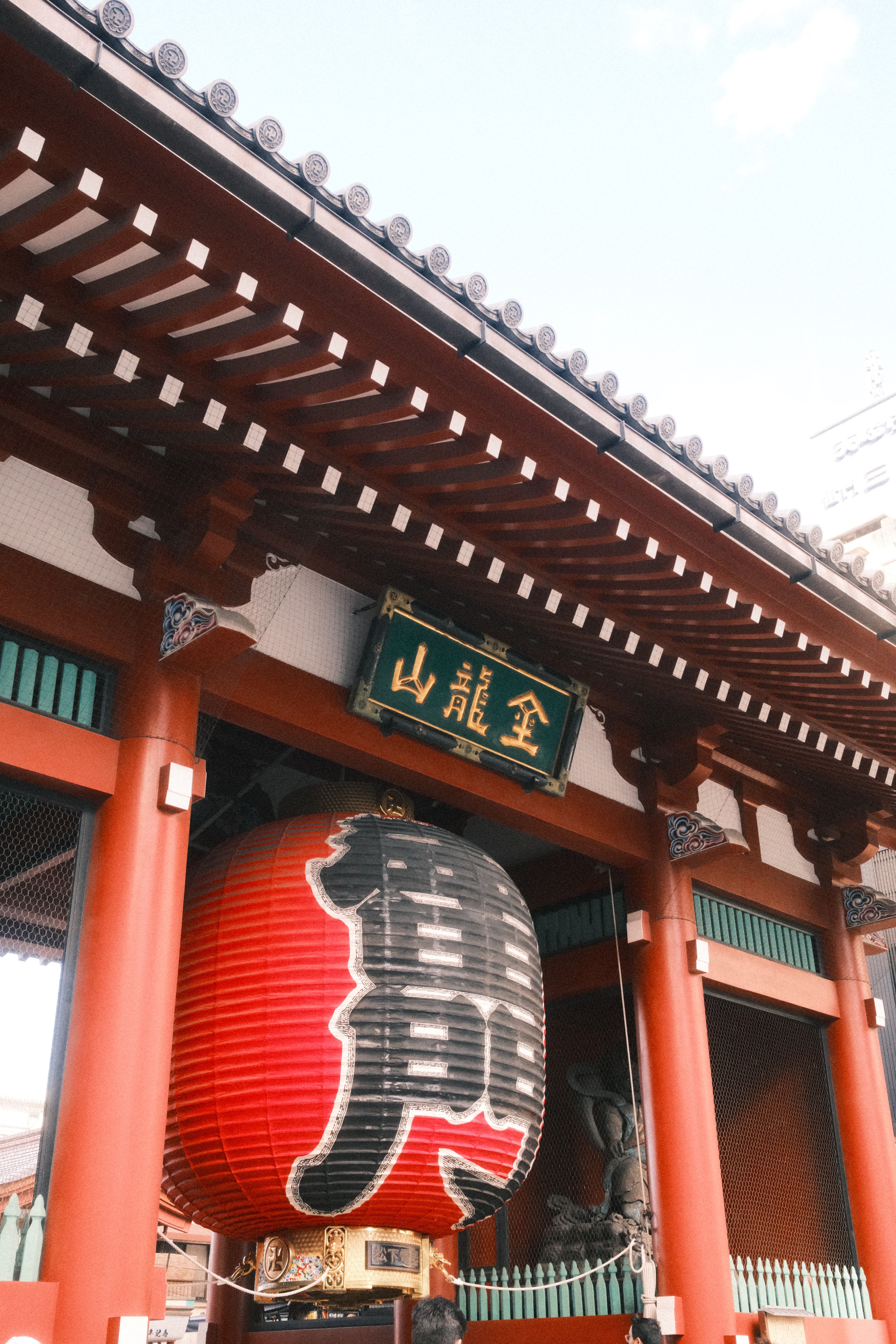
Senso-ji Temple
Senso-ji (浅草寺) is Tokyo's oldest and most significant Buddhist temple, founded in 645 AD after two fishermen discovered…

Tokyo Yakatabune
Yakatabune (屋形船) are low-slung wooden boats with tatami floors and sliding paper windows that have been hauling partying…

Ginza Shopping District
Ginza (銀座, 'silver mint') is Tokyo's premier luxury shopping district, an 8-block grid of flagship stores, department st…
Tokyo Sushi
Edomae sushi (江戸前鮨) developed in the 1800s in Tokyo (then called Edo) as fast food for workers — rice and fish pressed t…

Tokyo Skytree
Tokyo Skytree punches through the skyline at 634 meters (2,080 feet) — the tallest tower on the planet, though locals wi…
More in Tokyo

Takeshita Street
Takeshita Street (竹下通り, Takeshita-dori) is a 350-meter pedestrian alley in Harajuku, lined with shops selling kawaii (cu…

Meiji Shrine
Meiji Shrine (明治神宮, Meiji Jingu) is a Shinto shrine dedicated to Emperor Meiji and Empress Shoken, set within 175 acres…

Tsukiji Outer Market
Tsukiji Outer Market (築地場外市場, Tsukiji Jogai Shijo) is a 300-meter network of alleys and shops selling fresh seafood, pro…