
Daitoku-ji Temple Complex

Photo: daidarabotti / Wikimedia Commons (CC BY 3.0)
Daitoku-ji (大徳寺) is a sprawling Zen temple complex containing 22 sub-temples, several with exceptional gardens open to the public. The complex represents Rinzai Zen's cultural influence on tea ceremony, garden design, and the arts. Famous tea masters Sen no Rikyu and Kobori Enshu were associated with Daitoku-ji, and the temple houses National Treasure tea rooms.
Notable sub-temples: Daisen-in (karesansui rock garden representing the journey of life), Koto-in (maple-lined approach and bamboo garden), Zuiho-in (modern Christian-inspired rock garden), and Ryogen-in (Japan's smallest rock garden). Each sub-temple requires separate admission but visiting multiple in sequence provides comprehensive Zen aesthetics education.
Essential Information
Opening Hours
9:00 AM – 4:30 PM (varies by sub-temple)
Closed: Most open year-round | Varies by sub-temple
Entrance Fee
Complex grounds: Free | Individual sub-temples: ¥350–600 each
Best Season
Autumn (mid-November, Koto-in maple-lined path peak) | Year-round for rock gardens
Visit Duration
2.5 hours (4 main sub-temples)
Getting There
Access Information
Insider Guide
Nearby Spots
The closest hidden gems to Daitoku-ji Temple Complex, by straight-line distance.
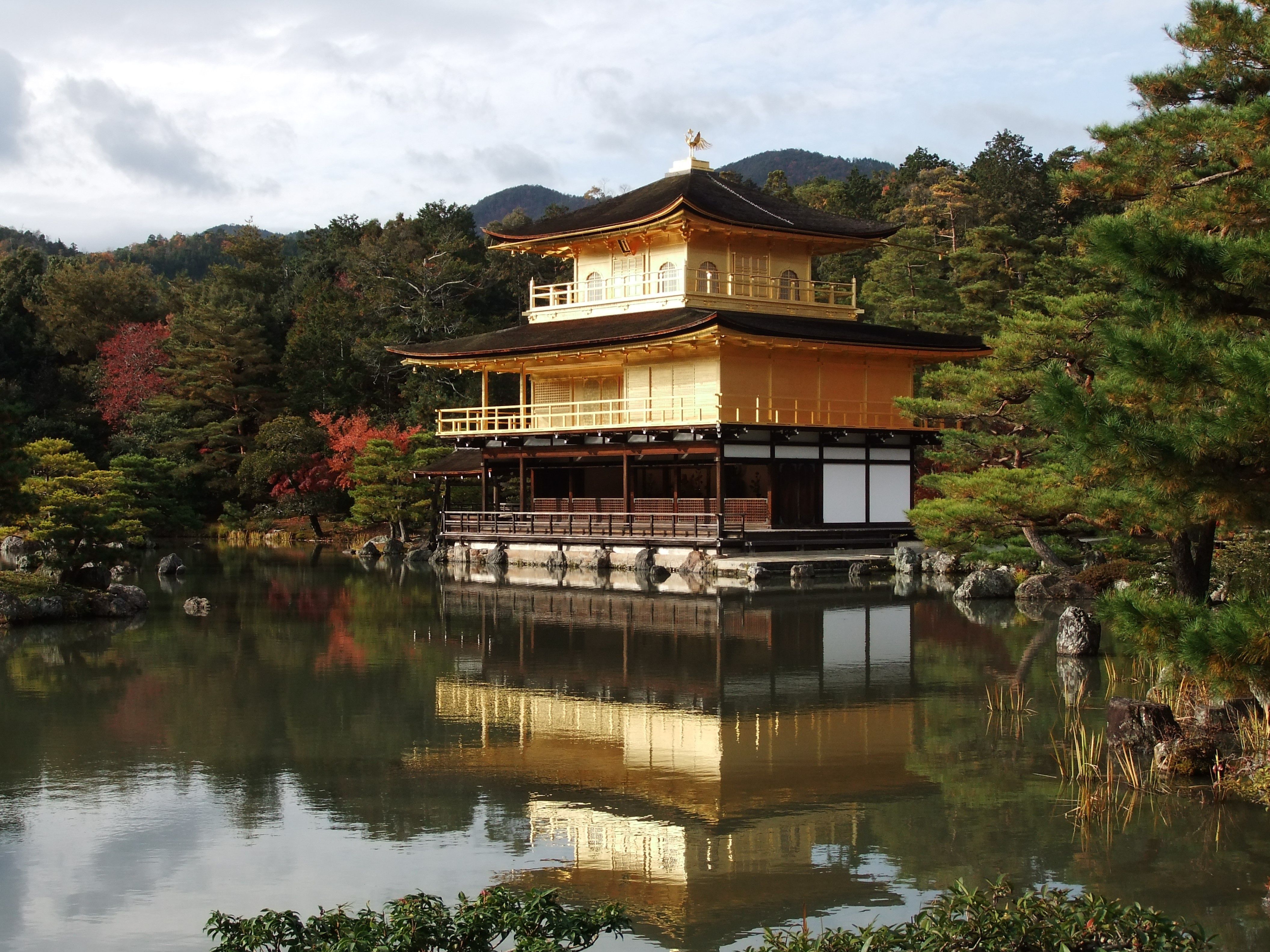
Kinkaku-ji Golden Pavilion
Kinkaku-ji (金閣寺, 'Temple of the Golden Pavilion') is a three-story Zen Buddhist temple covered in pure gold leaf, reflec…

Nishijin Textile Center
Nishijin (西陣) is Kyoto's historic textile district where high-end kimono fabric has been woven for 1,200 years. The neig…

Kyoto Imperial Palace
Kyoto Imperial Palace (京都御所) served as the emperor's residence from 794 to 1869 when the capital moved to Tokyo. The pal…
Kyoto Zen Meditation
You sit on a round cushion facing a white wall six inches from your nose. Legs folded, back straight, hands in a mudra y…

Ryoan-ji Rock Garden
Ryoan-ji Temple (龍安寺) houses Japan's most famous Zen rock garden (枯山水, karesansui 'dry landscape') — a rectangular plot…

Sento Imperial Palace
Sento Imperial Palace (仙洞御所) served as the residence for retired emperors from 1630 onward. The palace buildings no long…
More in Kyoto

Togetsukyo Bridge
Togetsukyo Bridge (渡月橋, 'Moon Crossing Bridge') spans the Katsura River in central Arashiyama, serving as the district's…
Gion Matsuri
On July 17, Kyoto shuts down. By 8:00 AM, half a million people line Shijo-dori waiting for the first float to appear. W…
Maiko Makeover
Maiko makeover experiences allow participants to undergo full transformation into apprentice geisha: traditional white m…