
Izumo Taisha
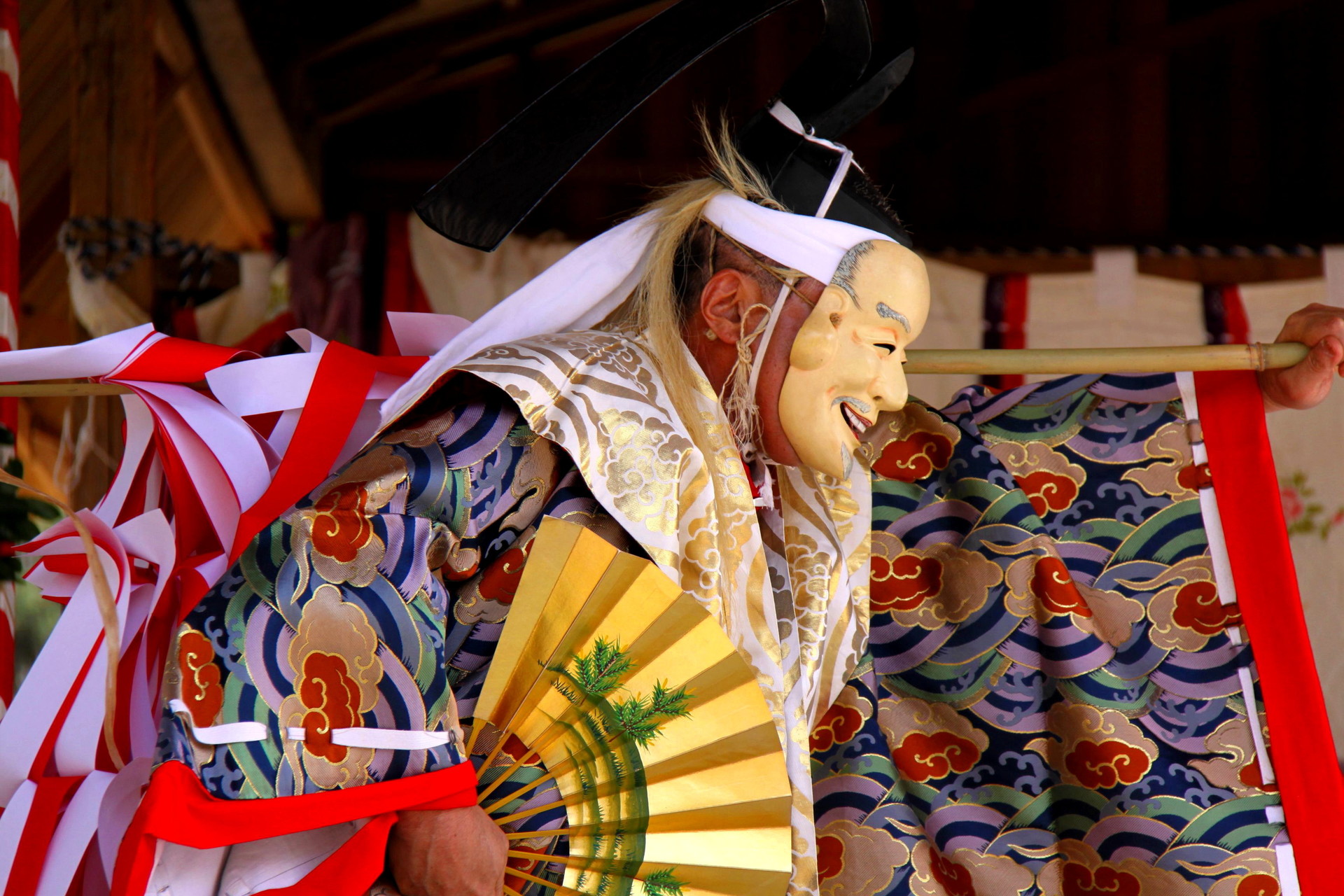
Photo: iku / Wikimedia Commons (CC BY-SA 4.0)
Izumo Taisha is one of Japan's oldest shrines, maybe the oldest depending on who's counting. It's dedicated to Okuninushi, the kami of marriage, relationships, and agriculture. The shrine's shimenawa (sacred rope) in Kagura-den hall weighs 5.2 tons—Japan's largest, rewoven every few years by local volunteers using rice straw. You pray here with four claps instead of the standard two (two bows, four claps, one bow), a ritual specific to Izumo. The reason for four claps is debated—some say it represents the four seasons, others say you're clapping for yourself and your destined partner. According to Shinto belief, during the 10th lunar month (Kannazuki, 'month without gods,' everywhere else in Japan), all 8 million kami in Japan converge here for their annual meeting. In Izumo, that month is called Kamiarizuki ('month with gods'). The shrine's architecture is taisha-zukuri, a style older than Buddhist influence on Japanese shrine design—massive pillars, steep thatch, and proportions that feel ancient.
Essential Information
Opening Hours
Main buildings: 8:30 AM – 5:00 PM
Closed: No regular closures; Treasure Hall open year-round
Entrance Fee
Grounds: free; Treasure Hall: ¥300 adults, ¥100 children
Best Season
October–November (Kamiari festival, gods' gathering); spring for plum blossoms; year-round pilgrimage site
Visit Duration
60–90 minutes for grounds and Kagura-den; add 30 minutes for Treasure Hall
Getting There
Access Information
Detailed Access & Timing
Nearest Station
Izumo Taisha-mae Station (Ichibata Densha / Izumo Taisha-mae Line) — 5-minute walk
Travel Time
From Osaka: ~3 hours (JR Osaka → Okayama, Yakumo Limited Express → Izumo-shi, Ichibata bus/train). From Tokyo: ~4.5 hours (Shinkansen to Okayama, then Yakumo Express to Izumo-shi, then bus 25 min)
How to Get There
From Izumo-shi Station: Ichibata Densha railway to Izumo Taisha-mae (about 30 min, ¥500) OR direct bus (Ichibata Bus, ~25 min, ¥500). Free shuttle also runs from Izumo Airport on busy days
Best Time to Visit
Weekday mornings 8:30–10:00 before tour groups arrive; avoid Shichi-go-san (November) and New Year holidays when queues stretch to outer precinct
Crowd Avoidance Tips
October Kamiari period and New Year's (Jan 1–3) are peak times with 300,000+ visitors. Spring Golden Week also crowded. Weekday mid-morning in February–March or June–July is quietest
Parking Information
Large free parking lot near Kagura-den (¥0, 300 spaces). Gets full on weekends and Kamiari season — arrive before 9:00 or use Izumo-shi Station and train
Insider Guide
Book Your Stay Nearby
Find accommodation close to Izumo Taisha on these trusted booking platforms:
Nearby Spots
The closest hidden gems to Izumo Taisha, by straight-line distance.
 Illustration — not a photograph
Izumo Soba
Izumo Soba (出雲そば) is Shimane's signature noodle dish, served in a unique warigo (割子) style: three small stacked lacquere…
Arakiya
There are a dozen soba shops around Izumo Taisha and Arakiya is the oldest of them, founded in the Tenmei era of the 178…
Karakama Shrine
Karakama Shrine is reached by squeezing through a gap in a rock. The approach climbs a steep flight of stone steps into…
Hinomisaki Shrine & Lighthouse
Hinomisaki (日御碕) is a dramatic cape at Shimane's western tip featuring Hinomisaki Shrine (vermillion shrine buildings) a…
Shussai Kiln
Shussai Kiln was started in 1947 by five local men in their twenties, none of them trained potters, who decided to make…
Tachikue Gorge
Twenty minutes from central Izumo, the Kando River runs between walls of columnar rock rising 100 to 200 metres — eroded…
More in Shimane
Sugaya Tatara Sannai
Tatara is the Japanese smelting method that produced tamahagane, the steel used for swords — iron sand and charcoal fed…
Oni no Shitaburui
The name means the demon's tongue trembling, and it comes from a story in the Izumo Fudoki about a shark deity in love w…

Yunotsu Onsen
Yunotsu was the port that shipped silver out of Iwami Ginzan, and when the mine was inscribed by UNESCO the town went in…