

10 Days Beyond the Golden Route — San'in, Setouchi and Shikoku
For the second trip: the Japan Sea coast, the inland sea, and the island the trains barely reach
April–early June and October–November. The San'in coast is genuinely cold and grey from December to February with heavy snow inland, and the Iya Valley roads ice over. July–August is hot and humid but the inland sea is at its best; the Setouchi Triennale (2028, and every three years) transforms the art islands and also fills every bed on the coast.
Roughly ¥180,000–290,000 per person for ten days excluding international flights. Rail is a bigger line than on any other route here — a JR West or all-Shikoku pass is worth pricing properly before you book anything.
A second or third trip to Japan, for travellers who have already done Tokyo and Kyoto and want the country that exists between them. Comfortable with infrequent trains, small towns and evenings where the restaurants close at nine. Not a first trip — nothing here will be recognisable to anyone at home, which is exactly the point.
Why this route
This is the route the site exists to write. Every stop on it is somewhere a first-time visitor will never go, and none of them is obscure for lack of merit: Izumo Taisha is arguably the oldest and most important shrine in Japan, Matsue has one of only twelve original castle keeps left standing, Adachi's garden has been ranked the best in the country for over twenty consecutive years, and the Iya Valley has vine bridges over a gorge that were built to be cut down behind fleeing warriors.
The shape is a single line rather than a loop: west to east along the Japan Sea coast, south across the mountains to the Inland Sea, then over the bridges into Shikoku and around it. Nothing is retraced. It opens in Izumo — where you can fly directly from Tokyo — and ends in Matsuyama, which also has flights back, so the ten days move continuously in one direction.
The honest warning is transit. San'in has one coastal railway line and it is not fast; Shikoku's interior has buses that run four times a day. Two of these days are largely spent travelling, and they are written as travel days rather than pretending otherwise. In exchange, on most mornings of this trip you will be somewhere genuinely remarkable with almost nobody else there — which is a trade that first-time itineraries cannot offer and this one can.
The route on a map
Every mapped stop, coloured by day and numbered in visiting order. Tap a pin to open the spot.
What makes it different
- Izumo Taisha, where by tradition every god in Japan gathers each October — a shrine older than the written records that mention it
- Iwami Ginzan: a UNESCO silver mine that once produced a third of the world's silver, now a forest walk through a village of 400 people
- Adachi Museum's garden, ranked Japan's finest for two decades, and viewable only through windows framed as paintings
- A predawn crab auction at Sakaiminato, on a street lined with 177 bronze yokai statues
- Naoshima's underground Chichu museum, where a Monet room is lit only by the sky
- Vine bridges over the Iya gorge, and a valley of life-size scarecrows outnumbering its residents thirty to one
- Kochi's Sunday market — 300 years old, a kilometre long, and entirely unmodernised
Izumo — the oldest shrine in the country
Straight from the airport to a shrine that predates the histories which describe it, then west to a cape where the lighthouse marks the point the sun sets into the Japan Sea. A short first day, and deliberately so.
- 11:002.5 hours
Izumo Taisha
ShimaneJapan's oldest shrine by tradition, dedicated to the deity of marriage and fate, with a straw rope over its hall weighing five tonnes.
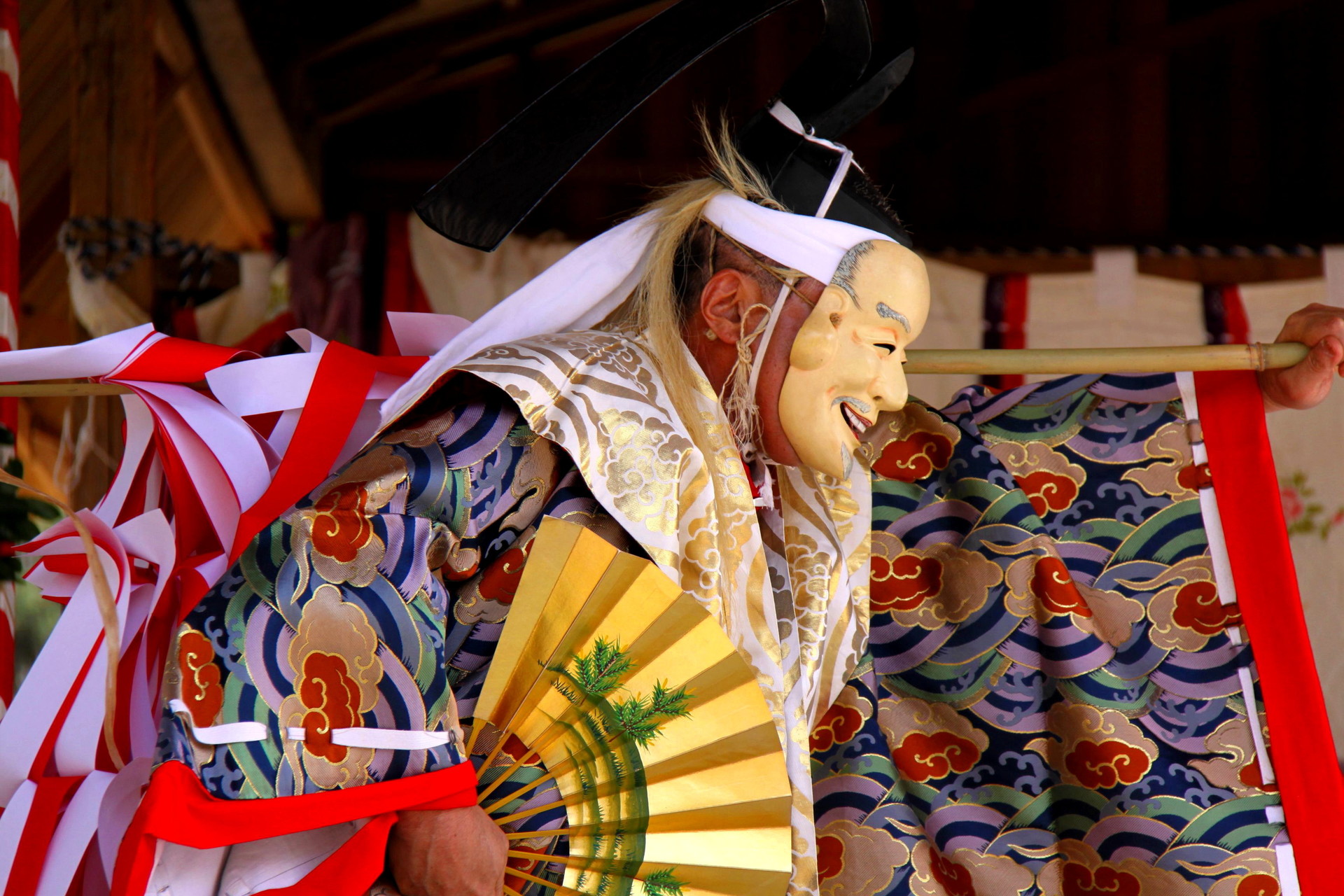
Insider noteClap four times here, not the usual two — twice for yourself and twice for your future partner. The shrine is Japan's principal site for enmusubi, the tying of relationships, which is why the crowd skews toward couples and toward women travelling in pairs. The main hall is closed to the public; what you approach is the worship hall in front of it, and the enormous shimenawa rope hangs at the Kagura-den, a separate building most visitors reach second. Walk the approach from the Seidamari-no-Torii downhill — Izumo's is one of the few sando in Japan that descends toward the shrine. In the tenth lunar month, called Kannazuki (the month without gods) everywhere else in Japan, this province alone calls it Kamiarizuki, the month with gods, because they are all said to be here.
- 13:301 hour
Izumo Soba
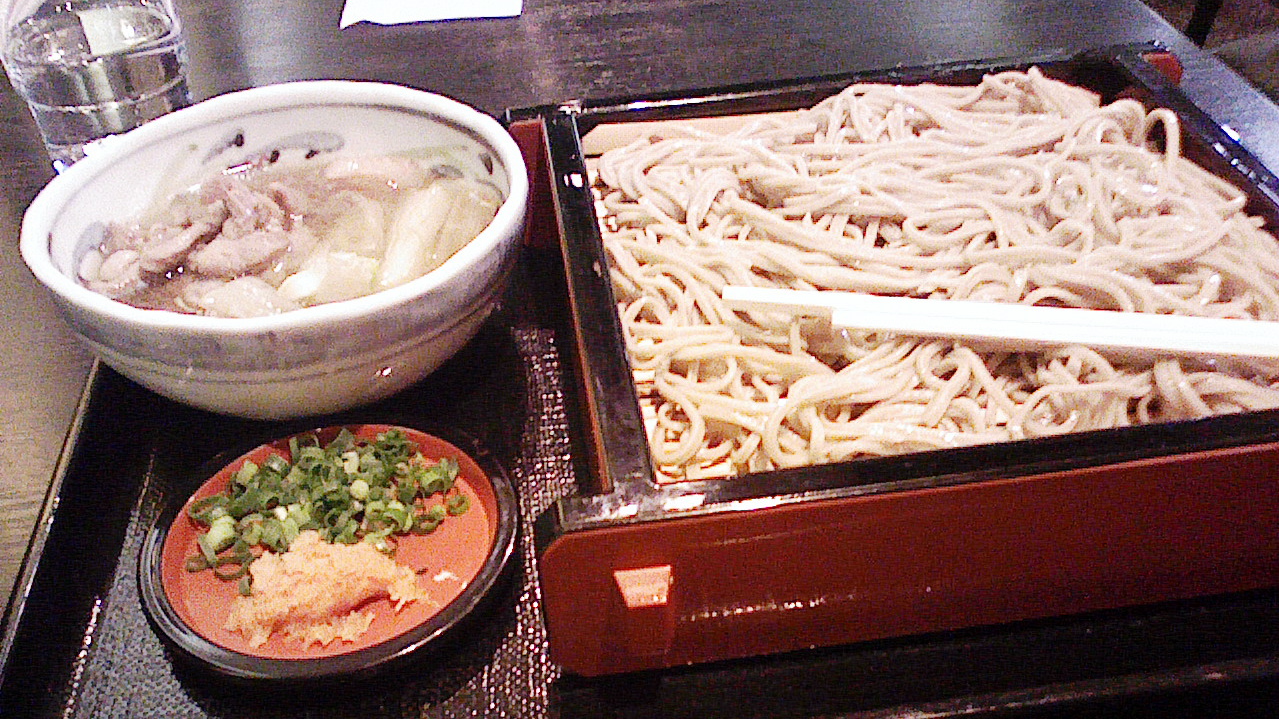
ShimaneBuckwheat soba served cold in three stacked red lacquer bowls, with the whole grain milled in — darker and stronger than soba anywhere else.
Insider noteThe warigo system has a method: pour the tsuyu onto the top bowl, eat it, then tip that bowl's remaining sauce into the second rather than pouring fresh. Doing it the other way marks you out instantly and nobody will say anything. Izumo soba is milled with the husk, which is why it is grey-brown and tastes considerably more of buckwheat than the pale Tokyo version. The shops in front of the shrine are all decent; queues at 12:30 are 20–30 minutes and at 14:00 are none. ¥900–1,400.
- 15:002 hours
Hinomisaki Shrine & Lighthouse
ShimaneA vermillion shrine complex on a rocky cape, and beside it the tallest stone lighthouse in Japan, facing the sunset over the Japan Sea.
Insider noteTwenty-five minutes by bus or car north-west of Izumo Taisha and almost nobody makes the trip. The shrine is unusual: two halls, one to the sun goddess and one to her brother, and the pairing is the point — Izumo's mythology is the counterweight to the imperial version. The lighthouse (¥300) can be climbed, 163 steps, and the view along the cliffs is the reason to. Time this for late afternoon: this coast faces due west and the sunset over the water is the best on the route. Last bus back to Izumo-taisha-mae is usually around 17:00–18:00 — confirm it before you commit to the sunset.

- Tokyo (Haneda) → Izumo Airport: ~1h30, ¥18,000–35,000 depending how far ahead you book. Osaka (Itami) → Izumo is ~1h. The airport bus to Izumo-shi station is ~35 min, ¥1,050, timed to flights.
- By rail from Tokyo: the Sunrise Izumo overnight sleeper leaves Tokyo at 22:00 and arrives 09:58 — the last scheduled sleeper train in Japan, and a genuinely good way to start this trip. Berths sell out the moment they open one month ahead. Nobinobi (carpet berth) is included in a JR Pass; private compartments carry a ¥7,700–13,000 supplement.
- Izumo-shi station → Izumo Taisha: Ichibata railway to Izumo-taisha-mae, ~25 min, ¥500, or bus ~25 min.
- Izumo Taisha → Hinomisaki: Ichibata bus, ~25 min, ¥500, roughly hourly and less in winter. Check the return time on the way out.
Lunch is Izumo soba, non-negotiable and ¥900–1,400. Dinner in Izumo town is limited — this is a small place and most kitchens close by 20:30. The station area has izakaya at ¥2,500–4,000; if you are staying by the shrine, eat at your inn or go early.
One night near Izumo-shi station or by the shrine. Station-side business hotels are ¥7,000–10,000 and put you on tomorrow's train; the ryokan around the shrine approach are ¥13,000–22,000 with meals and are the more atmospheric choice. Either works — tomorrow starts westbound.
¥5,000–8,000 per person excluding the flight: airport bus ¥1,050, local trains and buses ¥1,500, lighthouse ¥300, food ¥3,000–5,000. Izumo Taisha itself is free.
Iwami Ginzan — a silver mine in a forest
West along the coast to a UNESCO site that looks like nothing: a village of 400 people, a wooded valley, and 600 mine shafts in the hillsides that once supplied a third of the world's silver.
- 10:304 hours
Iwami Ginzan
ShimaneA 16th-century silver mine and its merchant town, listed by UNESCO for producing a third of global silver at its peak — and for the forest that grew back over it.
Insider noteThis is not a mine tour. Vehicles are banned from the valley, so the site is a 2.3km walk (or a ¥700 rental bicycle) from Omori village to the Ryugenji Mabu shaft, which is the one open to visitors — 600 metres of hand-cut tunnel, ¥410, low ceilings, cold. The other 599 shafts are sealed and visible only as dark mouths in the trees. What UNESCO actually listed is the relationship between the mine and the woodland: it was worked for 400 years without deforesting the valley, which was almost unheard of. Omori village itself is the better half — a single street of preserved merchant houses and samurai residences, a bakery, and a shop selling locally made brooms that has a small international following. Allow four hours and do not try to compress it into two.
- 17:001 hour
Matsue Wagashi Sweets
ShimaneMatsue is one of Japan's three great confectionery cities, a legacy of a tea-obsessed 19th-century lord — and the sweets are still made by hand.
Insider noteMatsue's seventh lord, Fumai, was a tea master, and 200 years later the city still has more wagashi makers per head than anywhere outside Kyoto and Kanazawa. Saiundo and Ippoen are the old names. Buy wakakusa or natane-no-sato at a counter and eat it with matcha rather than treating it as a souvenir — these are seasonal, unstable sweets designed to be eaten within days. ¥200–400 each. Most shops close at 18:00.
- 18:001 hour
Lake Shinji Sunset
ShimaneA shallow brackish lake on the western edge of Matsue, whose sunset is ranked among the hundred best in Japan and deserves it.
Insider noteThe composition everyone comes for is the Yomegashima islet, a small pine-covered rock with a torii, silhouetted against the water — and it works from the lakeside path by the prefectural art museum, which stays open until 30 minutes after sunset specifically for this. Free. Check the sunset time and be there 20 minutes before; the best light is in the ten minutes after the sun is actually down, which is when most people leave.


- Izumo-shi → Odashi station: JR San'in line, ~35 min, ¥590. Odashi → Omori (Iwami Ginzan): Iwami Kotsu bus, ~30 min, ¥710, roughly hourly. Confirm the return times on arrival — this is a rural service and the last bus is early.
- Omori → Matsue: bus back to Odashi, then JR San'in line east, ~1h15, ¥1,340. Total door to door is about 2h15.
- By car this day is much easier (Izumo → Iwami Ginzan ~1h, → Matsue ~1h20) and it is the strongest argument for hiring one for the San'in half of this trip.
- The San'in line is single-track and infrequent — one or two trains an hour at best. Photograph the timetable at every station you use.
Lunch in Omori village: a handful of small cafés and a soba shop, ¥1,000–1,600, all closing by 16:00. There is nothing along the walk to the mine, so eat before or carry water. Dinner in Matsue — the lake produces the Shinji-ko Seven, seven local fish and shellfish, and the shijimi clam miso soup is the everyday version. ¥3,000–5,000 at an izakaya near Kyomise.
Two nights in Matsue. The area around Matsue station has business hotels at ¥7,000–11,000; Tamatsukuri Onsen, 15 minutes away by train, is a 1,300-year-old hot spring with ryokan at ¥15,000–28,000 and is the better choice if you want one onsen night on the San'in half. Staying two nights in one place here matters — this is the densest cluster of sights on the route.
¥6,000–9,000 per person: trains and buses ~¥3,200, mine shaft ¥410, bicycle hire ¥700 if you take one, food ¥3,500–5,500.
Matsue — the best garden in Japan, and an original castle
A garden you are not allowed to walk in, deliberately framed through windows as if it were painting; then one of Japan's twelve surviving original castle keeps, and a flat-bottomed boat around the moat that still encircles it.
- 09:302.5 hours
Adachi Museum of Art
ShimaneRanked Japan's finest garden every year since 2003 — six landscape gardens designed to be viewed only from inside the building, through windows framed as scrolls.
Insider noteYou cannot enter the garden and that is the entire concept: the founder built the museum so that each window frames a composition, with a hanging-scroll alcove holding a live view of the mountains behind. Six full-time gardeners maintain it and the borrowed hills behind are also owned by the museum, so nothing can be built on them. ¥2,300, and the Yokoyama Taikan painting collection inside is world-class and largely ignored by visitors chasing the garden. Go at opening — the main viewing corridor is a single line of windows and by 11:00 there are three rows of people at each. Free shuttle from JR Yasugi station, 20 minutes, timed to trains.
- 13:001.5 hours
Matsue Castle
ShimaneOne of only twelve original castle keeps left in Japan and one of five designated National Treasures — black, wooden, and never reconstructed.
Insider noteThe distinction that matters: this keep is the 1611 building, not a concrete rebuild, and you climb it on the original steep wooden stairs in socks. It survived the Meiji demolition orders because local citizens bought it back. Go up to the top floor for the 360-degree view over the lake — the observation deck is the original one. ¥680. The grounds and moat are free and are a genuinely good hour on their own.
- 14:451 hour
Horikawa Moat Boat Ride
ShimaneA 50-minute circuit of the castle moat in a small roofed boat, passing under seventeen bridges — four of which are so low the roof folds down and everyone ducks.
Insider noteThe roof-lowering is not a gimmick; the bridges are genuinely that low and passengers flatten themselves onto the benches. ¥1,600 for a day ticket letting you get on and off at three landings, which is how to use it — ride a section, walk the samurai street, ride again. In winter the boats have a kotatsu, a heated table under a quilt, which is one of the more pleasant things available anywhere in Japan in February. Boatmen sing on some runs. Departures every 15 minutes.
- 16:001 hour
Lafcadio Hearn Residence
ShimaneThe samurai house where Lafcadio Hearn lived in 1891, and the museum beside it — the Greek-Irish writer who introduced Japan's ghost stories to the West.
Insider noteHearn lived here for barely fifteen months and wrote about the garden from a specific desk, positioned so he could see it while working — the house is preserved with the desk in place. The adjoining museum (¥410, combined ticket with the house ~¥600) was renovated with English throughout, which is unusual for a small regional museum and makes it far more rewarding than the average. If you have read Kwaidan, this is a pilgrimage; if you have not, the museum makes a good case that you should. Both are on the samurai street a short walk from the boat's northern landing.


- Matsue → Yasugi: JR San'in line, ~25 min, ¥410, then the free Adachi shuttle bus, 20 min. Check the shuttle timetable against your train — it is timed to specific arrivals.
- Yasugi → Matsue: reverse, ~45 min door to door.
- Matsue station → the castle: Lakeline loop bus, ~10 min, ¥210, or a 25-minute walk along the canal.
- Everything from the castle onward today is walkable — the castle, the boat landings, the samurai street and Hearn's house are all within 600 metres.
Lunch near the castle: Matsue does a good soba and the shops around the northern moat are ¥1,000–1,500. The Adachi museum has two cafés and a restaurant with garden views, which are expensive (¥1,800–3,000) and the view is the product. Dinner in Kyomise, the old merchant quarter — this is the best-value serious food on the San'in coast, ¥3,500–6,000.
Same Matsue accommodation as last night.
¥8,000–12,000 per person: Adachi ¥2,300, castle ¥680, moat boat ¥1,600, Hearn combined ¥600, trains and buses ~¥1,100, food ¥4,000–6,000.
Yokai street and the Tottori dunes
East along the coast: a fishing port whose main street is lined with 177 bronze goblins, a preserved white-walled warehouse district, and Japan's only real sand dunes — 16km of them, dropping straight into the sea.
- 09:002 hours
Mizuki Shigeru Road
TottoriAn 800-metre street in a fishing town with 177 bronze yokai statues along it, honouring the manga artist who made Japan's folk monsters famous.
Insider noteSakaiminato is Mizuki Shigeru's home town, and the street is the reason anyone comes here — but the detail that makes it work is that the statues are small, bronze, and unlabelled in English, so walking it becomes a hunt. Get the stamp rally sheet from the tourist office (¥120) if you want structure. The museum at the far end (¥1,000) is good on Mizuki's biography, which includes losing an arm at Rabaul and returning to draw for another seventy years. The station itself, the trains, and most of the shopfronts are yokai-themed. Two hours is right; the crowd is domestic and thin on weekday mornings.
- 12:301.5 hours
Kurayoshi White-Walled Warehouses
TottoriA preserved district of white-plastered, black-tiled Edo merchant warehouses along a stone-lined canal, with almost no other visitors.
Insider noteThe Utsubuki-Tamagawa district is about 400 metres of canal with willow trees, red-tiled roofs and koi in the water, and it is regularly empty on a weekday. Several warehouses now hold cafés, a soy sauce maker and a shop selling Kurayoshi's hakota dolls. This stop exists because it breaks the journey at exactly the right point and because it is the sort of place first-time itineraries have no room for. Free.
- 15:302 hours
Tottori Sand Dunes
TottoriSixteen kilometres of coastal dunes up to 50 metres high, formed over 100,000 years by sand carried down from the mountains and thrown back by the sea.
Insider noteClimb the Uma-no-Se ridge — it is a steep 45-metre slog in soft sand and it takes fifteen minutes, and the view from the top of the Japan Sea beyond the dune crest is the only version of this place worth having. Go late afternoon: the low sun renders the wind ripples in relief, and the heat of a summer midday on open sand is genuinely dangerous. Camel rides and sandboarding are available and are exactly as touristy as they sound. Free to enter, ¥500 parking, and paragliding or sandboarding sessions are ¥3,500–6,000 if you want them.
- 17:301 hour
Tottori Sand Museum
TottoriThe only indoor sand sculpture museum in the world — monumental carvings by international artists, on a new theme each year, destroyed at the end of the season.
Insider noteRight beside the dunes and easy to dismiss until you are inside: the sculptures are five metres tall, carved by invited artists from a dozen countries, and made of nothing but sand and water. Each year's exhibition is demolished and the sand reused. ¥800. Check the season — the museum closes for roughly three months in winter and early spring while the next exhibition is built, and that closure catches people out.


- Matsue → Sakaiminato: JR to Yonago (~30 min, ¥590) then the Sakai line (~45 min, ¥330). The Sakai line trains are yokai-liveried, which is either charming or relentless.
- Sakaiminato → Kurayoshi: back through Yonago on the San'in line, ~1h30 total, ¥1,340.
- Kurayoshi → Tottori: San'in line, ~40 min, ¥770. Tottori station → the dunes: bus, ~20 min, ¥380, roughly every 30–60 min.
- This is the most transit-heavy day on the route — about 3h30 of trains for 5h of sightseeing. By car it is roughly 2h15 of driving and considerably less painful.
- Confirm connection times at Yonago before you leave Matsue; a missed connection here costs an hour, not ten minutes.
Lunch in Sakaiminato at the fish market by the port — this is a serious fishing town and the seafood bowls are ¥1,500–2,500 and better than anything on the coast. If you are here between November and March, matsuba crab is the local obsession and a whole one is ¥8,000–20,000. Dinner in Tottori: ¥3,000–4,500.
One night in Tottori city near the station — business hotels ¥7,000–10,000. Misasa Onsen, 40 minutes south, is a radium hot spring in a river gorge with ryokan at ¥14,000–25,000 and is a real alternative if you would rather trade convenience for a bath.
¥9,000–13,000 per person: trains and buses ~¥3,400, Mizuki museum ¥1,000, sand museum ¥800, food ¥4,000–6,000. The dunes are free.
Over the mountains to Kurashiki
South across the spine of Honshu — from the Japan Sea to the Inland Sea in one morning. A mountaintop castle in cloud on the way, and an evening in a canal district that looks the way the whole country is supposed to and almost nowhere does.
- 11:002.5 hours
Bitchu Matsuyama Castle
OkayamaThe highest castle in Japan at 430 metres, and the only original mountaintop keep still standing — on clear autumn mornings it appears to float on a sea of cloud.
Insider noteOne of the twelve originals, and the hardest to reach: a shuttle bus from Bitchu-Takahashi station to the eighth station, then a 20-minute uphill walk on stone paths. ¥500. The famous cloud-sea photographs are taken not from the castle but from the Unkai Observatory across the valley, at dawn, between late September and early April, and only after a cold clear night following a warm day — that is a separate 4:30am expedition by taxi and it fails more often than it works. In daylight the castle is simply a small, original, mountaintop fortress with a resident cat that has its own social media following, and that is enough. Allow for the fact that the shuttle runs on a limited schedule.
- 16:002 hours
Kurashiki Bikan Historical Quarter
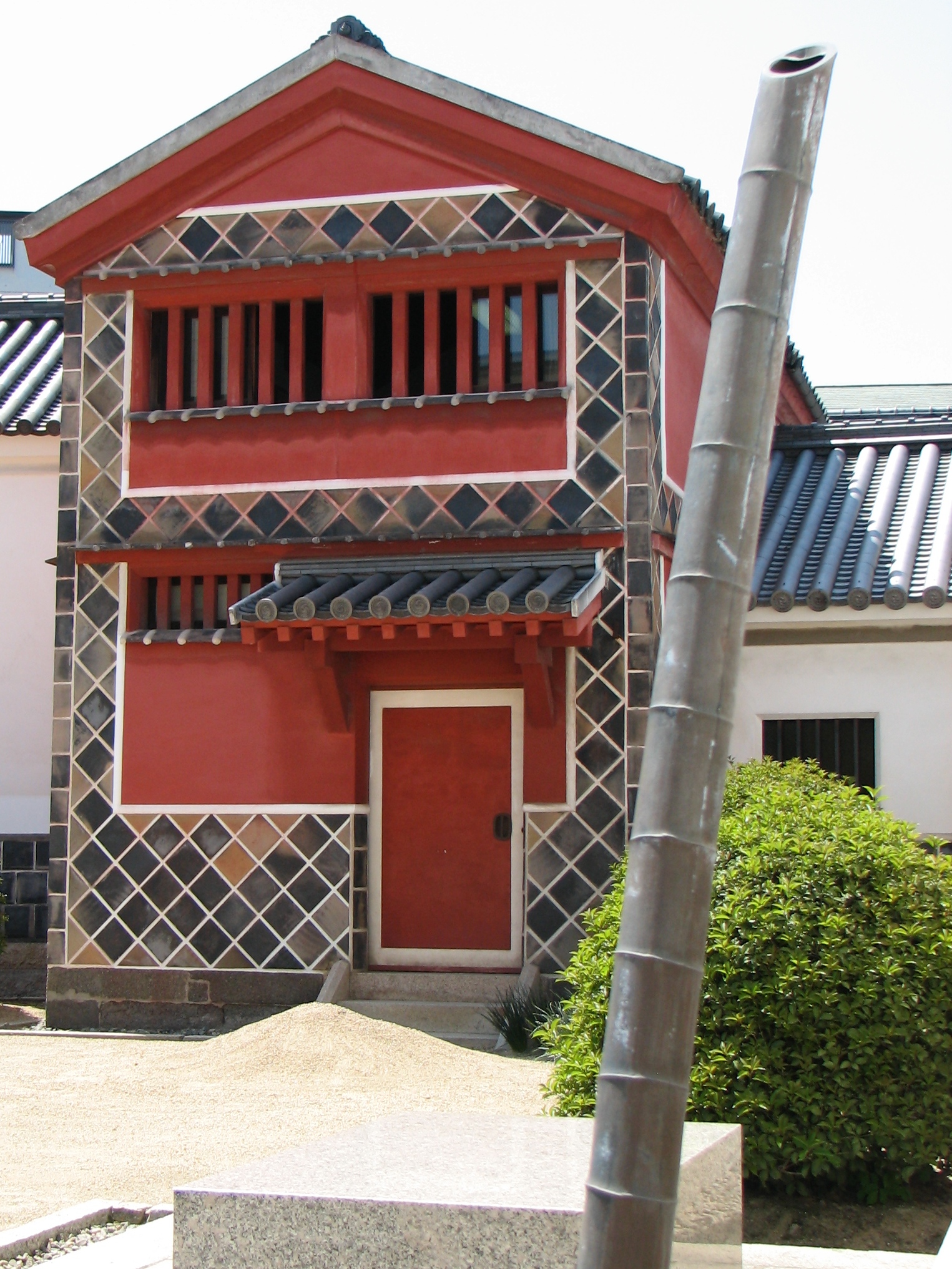
OkayamaA canal lined with white-walled Edo rice warehouses, willows and stone bridges — a merchant district preserved almost entirely intact.
Insider noteKurashiki was a shogunate-controlled rice port and the warehouses are the originals, now holding cafés, craft shops and a denim quarter. The right way to see it is late afternoon into evening: the day-trip coaches from Okayama leave around 16:30, the buildings are lit from about sunset, and the canal at night with almost nobody on it is the whole reason to sleep here rather than in Okayama. The punt rides (¥500, 20 min) stop around 17:00 and are pleasant rather than essential. Free to walk.
- 14:001.5 hours
Ohara Museum of Art
OkayamaJapan's first museum of Western art, opened in 1930 by a textile magnate — El Greco, Monet, Gauguin, Matisse, in a neoclassical building on a canal in a small town.
Insider noteThe founder sent a painter friend to Europe in the 1920s with instructions to buy, and the El Greco Annunciation he came back with is still the centrepiece. That such a collection sits in a town of 480,000 in western Japan is the point of the place. ¥2,000. Closed Mondays — if your Day 5 is a Monday, swap this and the castle around and do the museum tomorrow morning before leaving. The Craft Art Gallery in the same complex, showing mingei folk pottery, is included and is the part people skip and shouldn't.


- Tottori → Bitchu-Takahashi: JR Hakubi line via Yonago, ~3h, ¥4,070; or the faster Chizu Express route via Okayama, ~2h30 with a change. Neither is quick — this is the mountain crossing and there is no shortcut.
- Bitchu-Takahashi station → castle shuttle: ~15 min plus a 20-min walk. Confirm the shuttle timetable at the station on arrival.
- Bitchu-Takahashi → Kurashiki: JR Hakubi line, ~40 min, ¥860.
- Leave Tottori by 07:45. This day only works if the morning train is the early one.
- If you are running a JR West San'in–Setouchi Area Pass, today is where it starts earning — this single day is roughly ¥5,000 of rail.
Breakfast in Tottori, lunch at Bitchu-Takahashi station or carried — there is nothing at the castle. Dinner in Kurashiki: the Bikan quarter has good restaurants that close early (20:00–21:00) and the station side stays open later. Okayama's mamakari (a small vinegared fish) and barazushi are the local dishes, ¥2,500–4,500.
One night in Kurashiki, and stay inside or beside the Bikan quarter rather than at the station. Ryokan in converted warehouses are ¥16,000–30,000; the Kurashiki Ivy Square hotel in the old cotton mill is ¥12,000–18,000 and is the character option at a fair price. The evening canal is the reason you are here and a station hotel puts you fifteen minutes from it.
¥10,000–15,000 per person: rail ~¥5,000, castle ¥500 plus shuttle, Ohara Museum ¥2,000, food ¥4,000–6,000.
Naoshima — an island of concrete and art
A ferry to a former industrial island now given over entirely to contemporary art: a museum built underground so it does not interrupt the skyline, houses converted into installations, and a spotted pumpkin on a pier.
- 10:006 hours
Naoshima Contemporary Art Island
KagawaAn Inland Sea island rebuilt around Tadao Ando's concrete museums and site-specific installations — the most concentrated contemporary art anywhere in Japan.
Insider noteBook the Chichu Art Museum online before you travel; it uses timed entry and sells out, and it is the one unmissable building — buried in a hillside, lit only by daylight, holding five Monet water lilies in a room floored with two million marble cubes. The Benesse House museum and the Art House Projects in Honmura village (a ¥1,050 multi-site ticket) are the rest of the day. Yayoi Kusama's yellow pumpkin sits on a pier and is free. Critically: most museums close on Mondays, and the island's rhythm is set by ferries and a small bus — rent a bicycle (¥1,000–1,500, electric strongly advised, the island is hilly) rather than waiting for buses. Do not attempt Naoshima and Teshima in one day.
- Kurashiki → Uno port: JR to Okayama (~17 min) then the Uno line (~50 min), ¥590 total. Uno → Naoshima (Miyanoura): ferry, 20 min, ¥300, roughly hourly.
- Naoshima → Takamatsu: ferry from Miyanoura, ~50 min, ¥520, last sailing usually around 18:30–19:00 — confirm it in the morning, because missing it means an unplanned night on the island and there are very few beds.
- On the island: the town bus is ¥100 a ride but infrequent; bicycle hire at Miyanoura port is the better answer. The Chichu and Benesse area is a steep 20 minutes from the port by bike.
- Forward your main luggage from Kurashiki to Takamatsu, or use the coin lockers at Uno port. Naoshima on a bicycle with a suitcase is not a plan.
The island has limited food and much of it closes by 16:00. The Benesse House café and a handful of places in Honmura village are ¥1,200–2,500; queues at 12:30 are real. Eat early or carry something. Dinner in Takamatsu — this is Kagawa, so it is udon, and the good shops shut at lunchtime; evening options are izakaya at ¥3,000–4,500.
Two nights in Takamatsu near the station or Kawaramachi. Business hotels ¥7,000–11,000. Staying on Naoshima itself is possible (Benesse House is ¥40,000+ and the island's guesthouses ¥8,000–15,000) and is genuinely special because the museums stay open to guests after closing — but it costs you tomorrow's schedule and there are very few rooms.
¥11,000–16,000 per person: trains and ferries ~¥1,700, Chichu ¥2,100, Benesse House ¥1,300, Art House ticket ¥1,050, bicycle ¥1,500, food ¥3,500–5,500.
Kagawa — 1,368 steps and the best udon in Japan
A garden that took a century to build, a shrine at the top of a long staircase that people have been climbing for a thousand years, and the noodles this prefecture organises its entire identity around.
- 08:002 hours
Ritsurin Garden
KagawaSix ponds and thirteen landscaped hills built over a century by the local lords, with Mt. Shiun behind as borrowed scenery — and open from sunrise.
Insider noteOpens at 07:00 in summer, and the first hour is the reason to come — the garden is 75 hectares and effectively empty before 09:00. ¥410. Not designated one of the Three Great Gardens, which is an old ranking most Japanese garden specialists think it should displace. Take the south garden circuit rather than the north; it is the older and better composed half. The Kikugetsu-tei teahouse serves matcha (¥700) on tatami looking straight down the main pond, and at 08:00 you will have it to yourself.
- 11:003 hours
Kotohira-gu Shrine (Konpira-san)
KagawaA shrine to the god of seafarers at the top of 785 stone steps — 1,368 if you continue to the inner shrine. A pilgrimage site for a thousand years.
Insider note785 steps to the main shrine takes 40–60 minutes at a normal pace, and the approach is lined with shops selling walking sticks (borrowed free) and sweets. Do the extra 583 to the inner shrine only if the day is clear — the view over the Sanuki plain from the main shrine is already the payoff, and the upper stretch is steeper and emptier. Palanquin carriers used to haul visitors up for a fee; the service ended in 2020 and is not coming back. Free. The shrine's treasure hall and the Omote Shoin with its Maruyama Okyo screens (¥800) are worth the stop on the way down.
- 14:301.5 hours
Sanuki Udon Master Class Experience
KagawaKagawa eats more udon per head than anywhere in Japan, and the local shops let you make it — kneading the dough with your feet, as it is properly done.
Insider noteThe foot-kneading is genuine technique rather than novelty: the dough is too stiff to work by hand and the gluten needs the pressure. Classes are ¥1,800–3,000, about 90 minutes, and end with you eating what you made. Book ahead — most take a handful of people per session. Separately, know the local rule: the best udon shops (the self-service seimenjo) open at 07:00 and are sold out and shut by 13:00 or 14:00, which is why this is an afternoon class and not an afternoon meal. Kagawa's udon culture runs on a breakfast clock.
- 18:301.5 hours
Kagawa Bone-in Chicken (Honetsuki-dori)
KagawaA whole chicken leg roasted hard with garlic and pepper — Kagawa's other dish, and the one locals eat in the evening when the udon shops have closed.
Insider noteTwo versions and you must choose: oyadori (parent bird) is tough, dark and intensely flavoured; wakadori (young bird) is tender and much easier. Order oyadori if you want the real thing and are prepared to work at it. It comes with cabbage to mop the fat and a small bowl of rice, and it is a beer dish. ¥1,200–1,800 a leg. The Marugame and Takamatsu shops around Kawaramachi are open until 22:00, which makes this the reliable late dinner in a prefecture that eats early.


- Takamatsu → Ritsurin Koen: JR Kotoku line, 5 min, ¥210, or the Kotoden to Ritsurin-Koen station.
- Takamatsu → Kotohira: Kotoden Kotohira line, ~60 min, ¥630, or JR Dosan line ~55 min, ¥890. The Kotoden is slower, cheaper and more interesting.
- Kotohira → Takamatsu: reverse, ~1h.
- Kagawa is small — every leg today is under an hour, which after yesterday's ferries and tomorrow's mountains is worth appreciating.
Breakfast is udon, at 08:00, at a self-service shop, standing — this is how Kagawa actually eats and a bowl is ¥300–600. Do it at least once. Lunch at Kotohira on the shrine approach, ¥1,000–1,800. Dinner is bone-in chicken. Total food spend today can easily be under ¥3,000 and be the best eating on the route.
Same Takamatsu accommodation as last night.
¥6,000–9,000 per person: trains ~¥1,700, Ritsurin ¥410, Kotohira Shoin ¥800, udon class ¥1,800–3,000, food ¥2,500–4,000.
The Iya Valley — vine bridges and scarecrows
Into the deepest gorge in Shikoku, where defeated warriors hid in the twelfth century and built bridges out of vines so they could cut them behind themselves. A marble canyon, a bath reached by cable car, and a village of dolls.
- 10:301.5 hours
Oboke and Koboke Gorges
TokushimaA gorge of folded crystalline schist above the Yoshino river, seen from a flat-bottomed sightseeing boat that runs through the rapids and back.
Insider noteThe 30-minute boat (¥1,500) runs from the Oboke roadside station and is the best introduction to the geology — the rock is metamorphic schist, folded and polished by the river, and it looks like marble because it very nearly is. The names mean roughly 'dangerous to walk on the big steps' and 'the small ones' — this gorge was the barrier that kept the Iya Valley isolated for eight centuries. Boats run year-round but suspend after heavy rain. There is also whitewater rafting here in summer, ¥6,000–12,000, and it is genuinely good water.
- 12:301.5 hours
Iya Valley Vine Bridges
TokushimaA 45-metre bridge of woven mountain vine over a gorge, with gaps between the slats wide enough to see the river 14 metres below.
Insider note¥550, one-way only, and the gaps are the point — the slats are spaced so you must place each foot deliberately, and the bridge moves. It is rebuilt every three years from fresh vine, with steel cables hidden inside since the 1950s, which is reassuring and does not make it feel any less alarming. Go before 11:00 or after 15:00; the coach tours from Tokushima arrive midday and the bridge takes one person at a time. Do not carry anything loose — phones dropped through the slats are a regular event and they are not recoverable.
- 14:301 hour
Iya Valley Scarecrow Village
TokushimaA depopulated hamlet where one resident has made 350 life-size cloth dolls of the people who used to live there, and placed them where those people were.
Insider noteThere are fewer than 30 living residents and roughly ten times that many dolls — waiting at bus stops, working the fields, sitting in the closed school. Ayano Tsukimi began making them in 2003 when she returned to find the village emptied, and she is often there and happy to talk. It is not a tourist attraction so much as one person's response to rural depopulation, and it is affecting rather than kitsch. Free. A further 45 minutes up the valley from the vine bridge on a narrow road, and this is the point at which not having a car ends the day.
- 17:001.5 hours
Iya Onsen Cliff Bath
TokushimaA hot spring at the bottom of the gorge, reached by a private cable car that descends 170 metres from the hotel above it to the riverbank.
Insider noteThe cable car is the point: a five-minute descent through the trees to an open-air bath directly on the river, with the water arriving at 39°C — cooler than most onsen and therefore one you can sit in for an hour. Day use is ¥1,900 including the cable car, roughly 10:00–16:00 (confirm, it shortens in winter), and staying at the hotel above lets you use it into the evening. Mixed and single-sex sections vary by time of day. If you are staying in the valley, this is the evening.


- Takamatsu → Oboke: JR Dosan line limited express, ~1h30, ¥4,000. This is the only fast train into the valley and there are a handful a day.
- Oboke → the vine bridge: Shikoku Kotsu bus, ~25 min, ¥1,110, roughly four services a day. Oboke → Nagoro is a further 45 min and served by only one or two buses.
- Renting a car at Oboke station (book ahead — there are few) or driving from Takamatsu (~2h) is what makes this day complete. The valley roads are narrow, single-track in places, with blind bends and mirrors; drive slowly and use the pull-ins.
- The Iya Valley bus timetable is the load-bearing document of this day. Photograph it at Oboke station before you go anywhere.
Lunch at the vine bridge: grilled ayu (sweetfish) on skewers over charcoal from the stands by the car park, ¥500–700, and Iya soba at the restaurants above, ¥900–1,400 — the local soba is short-cut and crumbly because the buckwheat is grown on slopes too steep for rice. Dinner is at your accommodation; there is essentially nothing open in the valley after dark.
One night in the valley — this is the whole reason to come this far. Iya Onsen hotel is ¥20,000–35,000 with meals and includes the cable-car bath; Chiiori, a 300-year-old restored thatched farmhouse, sleeps small groups at ¥15,000–25,000 a head and is the most memorable bed on this itinerary. Both need booking a month or more ahead. Cheaper minshuku in Oboke are ¥9,000–14,000 with dinner.
¥8,000–13,000 per person excluding the inn: rail ¥4,000, buses ¥2,200 or car hire, gorge boat ¥1,500, vine bridge ¥550, onsen ¥1,900 if day-use, lunch ¥1,500.
Kochi — a castle nobody rebuilt and a market that never modernised
South out of the mountains to the Pacific coast. One of the twelve original castles — and the only one with its palace still standing — a food hall where the city drinks all afternoon, and bonito seared over burning straw in front of you.
- 10:001.5 hours
Kochi Castle
KochiThe only castle in Japan where both the original keep and the original palace inside the main enclosure survive together.
Insider noteTwelve castles kept their keeps; only this one also kept the honmaru palace beside it, which means you walk from the lord's residence straight into the fortress the way its occupants did. Everything you touch is 1749 or earlier. ¥420. The stairs are steep and you climb in socks. Look for the ishi-otoshi — the stone-dropping hatches over the wall base — and the fact that the palace's ceiling height changes between rooms according to who was allowed in them.
- 08:001.5 hours
Nichiyoichi Sunday Market
KochiA kilometre of stalls down the street leading to the castle, held every Sunday since 1690 — produce, knives, plants, and 400 vendors.
Insider noteSundays only, roughly 05:00–15:00, and if your Day 9 is not a Sunday this simply does not happen — check before you fix the trip's start date, because it is worth arranging the whole itinerary around. This is not a tourist market: it is where Kochi buys vegetables, and the vendors are farmers who have held the same pitch for generations. Come at 08:00. Eat imo-tempura (sweet potato fritters) and drink the cloudy citrus juice sold by the cup.
- 12:001 hour
Katsuo no Tataki
KochiBonito seared for seconds in a metre-high flame of burning rice straw, sliced thick, and eaten with salt rather than soy.
Insider noteAsk for shio-tataki — with salt — not the soy-and-ponzu version. Kochi people are emphatic about this and they are right: the straw smoke and the fat need salt, and ponzu covers both. Several restaurants sear it at your table or in front of the counter and the flame is genuinely two metres. Season matters: spring bonito (hatsu-gatsuo) is lean and clean, autumn (modori-gatsuo) is fatty and better. ¥1,500–3,000 for a proper plate.
- 13:302 hours
Hirome Market
KochiA covered hall of sixty small food and drink stalls around shared tables, where the city drinks from lunchtime onward.
Insider noteThe system: buy from any stall, sit anywhere, share the table with strangers, and expect to be talked to. Kochi has the highest alcohol consumption per head in Japan and does not treat afternoon drinking as remarkable. Get tataki from the Yasube stand, a bottle of local sake, and stay longer than you planned. Busiest and best on Sunday afternoons. ¥2,000–3,500 will do it comfortably.
- 16:301.5 hours
Katsurahama Beach
KochiA crescent of coloured pebbles between two headlands, with a 13-metre statue of Sakamoto Ryoma facing the Pacific from the cliff above.
Insider noteSwimming is banned — the undertow here is lethal and the signs mean it. What you come for is the composition: pine-topped rocks, the shrine on the point, and Ryoma, the low-ranking samurai from this city who brokered the alliance that ended the shogunate and was assassinated at 33. During special periods a scaffold is erected beside the statue so you can stand at his eye level, which is a strange and effective thing. Free; ¥730 for the Ryoma museum on the headland, which is excellent and has full English.


- Oboke → Kochi: JR Dosan line limited express, ~1h, ¥3,000. Trains are infrequent — there are perhaps eight a day.
- Kochi station → castle and market: 15-min walk, or the tram (Tosaden) ¥200 flat fare within the centre.
- Kochi → Katsurahama: bus from Kochi station or Harimayabashi, ~35 min, ¥700, roughly hourly.
- Kochi's tram system is one of the oldest in Japan and covers the whole centre for a flat ¥200 — use it rather than walking in summer heat.
If it is Sunday, breakfast is the market. Lunch is tataki, ¥1,500–3,000. Hirome Market in the afternoon is a second lunch and a drink rather than a meal. Dinner: sawachi ryori is Kochi's banquet platter and needs a group and usually a reservation; for two people, an izakaya near Obiyamachi at ¥3,000–5,000 is the sensible version.
One night in central Kochi near Harimayabashi or the station, ¥7,000–11,000. Kochi is a small city and everything is within a tram ride, so location matters less here than anywhere else on the route.
¥9,000–13,000 per person: rail ¥3,000, local transport ~¥1,600, castle ¥420, Ryoma museum ¥730, food ¥4,500–7,000.
Over the mountains to Matsuyama, and the oldest bath in Japan
West across Shikoku to finish: a preserved wax-merchant town on the way, a castle with an original keep on a hill in the middle of the city, and a 3,000-year-old hot spring in a wooden bathhouse that inspired the bathhouse in Spirited Away.
- 10:001.5 hours
Uchiko Town
EhimeA preserved street of ochre-plastered merchant houses built on Japan's wax trade, plus a 1916 kabuki theatre still in use.
Insider noteUchiko made vegetable wax for candles and got rich on it in the late 19th century, then the electric light arrived and the town stopped — which is why the street survives. The Kami-Haga residence (¥500) includes the wax workshop and explains the process properly. The Uchiko-za theatre (¥400) is the better stop: a working wooden kabuki house with a revolving stage turned by hand from beneath, and you can go under the stage and see the mechanism. Directly on the Matsuyama line, so it costs 90 minutes and one train stop.
- 13:002 hours
Matsuyama Castle
EhimeAn original keep on a 132-metre hill in the middle of the city, reached by ropeway, chairlift, or a twenty-minute climb.
Insider noteAnother of the twelve originals, and the most complete defensive layout of any of them — the approach doubles back on itself through four gates, all of them covered by fire from above, and you walk the whole trap on the way in. ¥520 for the keep, ¥520 return for the ropeway. Take the chairlift rather than the ropeway cabin: same price, open air, and a far better view of the walls. The keep's top floor looks over the whole Dogo plain to the Inland Sea.
- 16:002 hours
Dogo Onsen Honkan
EhimeA hot spring in continuous use for over a thousand years, in an 1894 wooden bathhouse of stairs, corridors and a drum tower — and the model for the bathhouse in Spirited Away.
Insider noteThe Honkan building has multiple ticket tiers (¥460 for the basic bath up to ¥1,690 for the private tatami room with tea and a yukata) and the upper tiers are the reason to come — you bathe, then sit upstairs in a yukata drinking tea in a wooden room, which is the actual Dogo experience rather than just a wash. The building has been under staged restoration for years and parts may be screened; check what is open. The Emperor's private bath, the Yushinden, is a separate ¥300 tour and is the finest room in the building. Arrive by 16:00 — it fills in the evening and the private rooms are first-come. Tattoos are generally accepted here, which is unusual for a bathhouse of this stature.
- 18:1530 minutes
Botchan Ressha
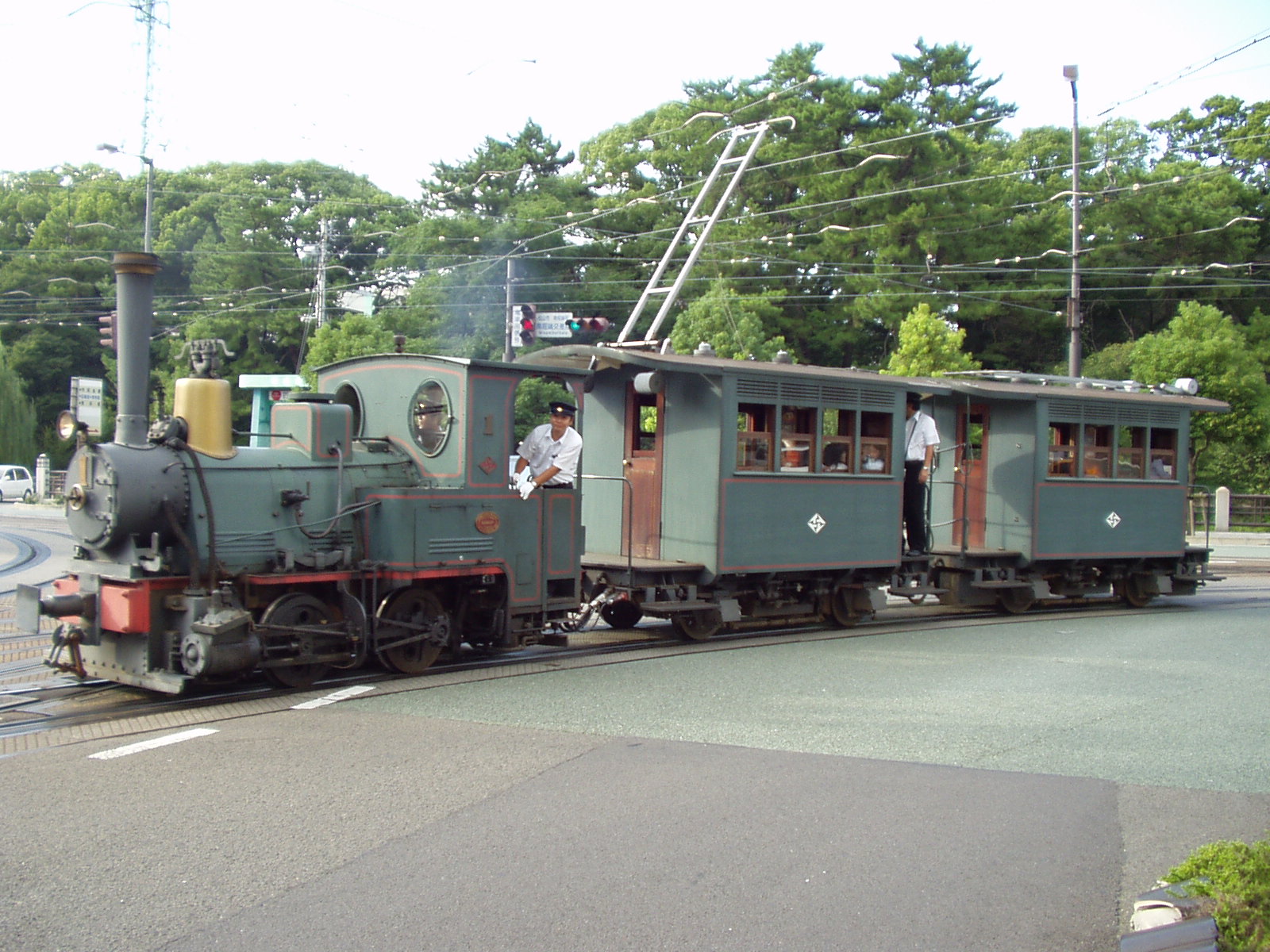
EhimeA diesel replica of the 1888 steam train Natsume Soseki wrote about, running on the modern tram tracks between Dogo and the city centre.
Insider note¥800, a few services a day, and it takes twenty minutes to do what the normal ¥200 tram does — which is the entire point. At the terminus the crew turn the locomotive by hand on a turntable and lift the carriage couplings themselves, in front of everyone, and it is the best free show in Matsuyama. Soseki taught at the middle school here in 1895 and the novel he wrote about it is the reason half the things in this city are called Botchan. Check the timetable — it does not run on some weekdays.


- Kochi → Uchiko: JR Dosan and Yosan lines via Tadotsu, ~3h, ¥6,000; or the Kochi–Matsuyama highway bus, ~2h35, ¥3,800, which is faster and cheaper but does not stop at Uchiko. If you skip Uchiko, take the bus.
- Uchiko → Matsuyama: JR Yosan line, ~25 min, ¥770.
- Matsuyama station → castle → Dogo: the Iyotetsu tram, flat ¥200, runs the whole line and is the only transport you need in the city.
- Matsuyama Airport → city: bus, ~15 min, ¥800. Flights to Tokyo and Osaka run several times daily; there are also ferries to Hiroshima (~1h10 by fast boat) if you would rather continue on the mainland.
Lunch in Uchiko or on the train. Matsuyama's dishes are taimeshi — sea bream over rice, served two ways depending which side of the prefecture the cook is from — and jakoten, fried fish cake eaten hot from the shop. Dinner near Dogo or in the Okaido arcade, ¥3,000–5,000. If your flight is early, Matsuyama Airport has a jakoten stand and it is better than airport food has any right to be.
Departure day, or a final night at Dogo Onsen if your flight is tomorrow. The Dogo ryokan are ¥15,000–30,000 with meals and all have their own baths fed by the same source; staying here rather than by the station is the correct end to this itinerary.
¥10,000–15,000 per person: rail or bus ¥3,800–6,800, Uchiko-za ¥400, Kami-Haga ¥500, castle and ropeway ¥1,040, Dogo bath ¥460–1,690, Botchan train ¥800, food ¥4,000–6,000.
Book before you leave home
- 1Check which day of the week your Day 9 lands on before booking flights. Kochi's Sunday market only happens on Sundays, it has run for 335 years, and it is worth shifting the whole trip by a day or two to catch.
- 2Chichu Art Museum timed-entry ticket for Day 6, online and well ahead — it sells out, and Naoshima's museums close on Mondays.
- 3Iya Valley accommodation (Day 8), a month or more ahead. Chiiori and the Iya Onsen hotel are the two beds worth having and there are very few of either.
- 4Adachi Museum is open 365 days a year, which is rare — but the Ohara Museum in Kurashiki closes Mondays and Naoshima largely does too, so a Monday landing in the middle of this route needs the days reordered.
- 5Price the rail passes properly before booking anything: the JR West San'in–Setouchi Area Pass covers days 1–6 and the All Shikoku Rail Pass covers days 7–10. On this exact routing the combination usually beats point-to-point, but it depends on your start city — run your actual legs through a fare calculator.
- 6The Sunrise Izumo sleeper (if you want it for the inbound leg) opens for booking exactly one month ahead and private berths sell out within minutes.
- 7A rental car for days 2–5 (San'in) or day 8 (Iya) — either transforms that section. Iya without a car limits you to what four daily buses allow, which is the vine bridge and not much else.
- 8Tottori's Sand Museum closes for roughly three months between exhibitions. Check its calendar before fixing Day 4.
Where the money goes
| Accommodation (9 nights)Mostly ¥8,000–11,000 business hotels. The Iya Valley night and a Dogo or Tamatsukuri ryokan are the two that lift this line. | ¥80,000–150,000 |
| Rail, ferries & busesThe largest transport line of any route here. Passes can cut it by ¥10,000–20,000; the Naoshima ferries and the Iya buses are outside every pass. | ¥45,000–65,000 |
| AdmissionsAdachi ¥2,300 and Chichu ¥2,100 are the two big ones; the four original castles are ¥420–680 each. | ¥18,000–25,000 |
| FoodKagawa and Kochi are cheap and excellent; the San'in coast is where the seafood costs money. | ¥35,000–50,000 |
| Domestic flightsTokyo–Izumo in and Matsuyama–Tokyo out. Book early; open-jaw domestic legs are much cheaper booked two months ahead. | ¥25,000–60,000 |
Per person unless a line says otherwise. Excludes international flights.
Shorter, longer, or a different season
- Cutting to 7 days: keep Izumo, Matsue ×2, Kurashiki, Naoshima, Takamatsu and the Iya Valley, and fly out of Takamatsu. You lose Tottori and all of Kochi and Ehime, which is the cleanest cut because it removes a whole geographic limb rather than thinning every day.
- Cutting to 5: San'in only — Izumo, Iwami Ginzan, Matsue ×2, Tottori. It is a complete trip on its own and the least-visited region in western Honshu.
- Extending to 13–14: add Hiroshima and Miyajima between days 5 and 6, and the Shimanami Kaido — the 70km island-hopping cycle route from Onomichi to Imabari — as two days before Matsuyama. The Shimanami is the single best thing in the Inland Sea and it does not fit into this ten-day shape.
- Setouchi Triennale years (next 2028) change Day 6 completely: a dozen islands open, the ferries add sailings, and every bed within 50km is booked six months out. Either plan around it deliberately or avoid those months.
- Winter (December–February) is a genuinely different trip. The San'in coast gets heavy snow, the Iya roads ice, and several stops close — but Matsuba crab season runs November to March and is the reason Japanese travellers come to Tottori at all, the Adachi garden under snow is the version photographers wait for, and the Horikawa boats run a heated kotatsu. Cut days 8 and 5, add a night on the coast, and come for the crab.
- Doing this route without any rail pass and without a car is entirely possible and is how most of it was written — but budget an extra ¥15,000–20,000 and accept that days 4, 5 and 8 will each lose a stop to timetables.
Journey times, fares and opening hours come from each spot's access information and are typical rather than guaranteed. Timetables, seasonal closures and volcanic alert levels change — confirm the legs your day depends on. Last revised 2026-07-30.