
Okayama Castle
Facts verified: August 2026 · Sources: okayama-kanko.net, city.okayama.jp
Researched and written by Hinato

Photo: takeokahp / Wikimedia Commons (CC BY 3.0) · original
Okayama Castle (岡山城, Okayama-jō), nicknamed 'Crow Castle' (烏城, U-jō) for its striking black exterior, stands as one of Japan's most visually distinctive fortresses. Built in 1597 by feudal lord Ukita Hideie, the castle's black-lacquered walls contrast dramatically with white plastered accents, creating an imposing silhouette against the sky. Unlike the white 'Heron Castle' (Himeji), Okayama's dark facade symbolizes power and military strength.
The castle's unique architectural features include irregular polygonal stone walls, gold-plated roof tiles (shachihoko), and a six-story main keep with intricate gabled roofs. The current structure, reconstructed in 1966 after World War II destruction, houses exhibits on samurai armor, feudal history, and the castle's construction techniques. The top floor observation deck provides panoramic views of Okayama city and the adjacent Korakuen Garden. The castle grounds feature original stone foundations, reconstructed turrets, and seasonal cherry blossoms along the Asahi River moat, making it a year-round cultural landmark in central Okayama.
Visitors approaching from Okayama Station often walk along the Asahi River embankment, where the black keep gradually appears above the tree line — a favorite vantage point for photographers in every season. Inside, the reconstructed keep uses modern materials for structural safety while echoing the original building's proportions and roofline, and the exhibits trace the castle's history from its founding through successive feudal administrations, when Okayama grew into one of western Japan's wealthier domains on the strength of Seto Inland Sea trade routes linking the region to Osaka and beyond.
The castle's proximity to Korakuen Garden across the river makes the pair a natural half-day outing, and many visitors cross back and forth over the Tsukimi Bridge to compare the fortress's severity with the garden's open, contemplative design. Seasonal evening events at the castle, timed to cherry blossom and autumn foliage viewing, draw local families as readily as tourists, and the black walls take on a different character after dark, when uplighting emphasizes the angular stonework rather than the building's famous color.
Practical details
Opening Hours
9:00 AM – 5:30 PM (last entry 5:00 PM)
Closed: December 29–31. May also close in severe weather or for inspection.
Entrance Fee
¥500 high school age and over, free for junior high and under | Combination ticket with Korakuen Garden ¥800
Best Season
Spring (early April) for cherry blossoms along the moat; sunset any season for the black silhouette against orange sky; autumn for foliage contrast with the dark walls
Visit Duration
45–60 minutes (castle); 2.5–3 hours combined with Korakuen Garden (5-min walk)
Getting There
Access Information
2-3-1 Marunouchi, Kita Ward, Okayama. Walk or take a bus from JR Okayama Station. Entry: ¥500 for high school age and over, free for junior high and under. Combination ticket with Korakuen Garden: ¥800. Hours: 9:00 AM – 5:30 PM (entry until 5:00 PM). Closed December 29–31. Visit duration: 45–60 minutes. Korakuen Garden is adjacent, across the Tsukimi Bridge. Fees were revised in 2026 — confirm current pricing before visiting.
Tips
Combined Korakuen-Castle itinerary: Purchase the ¥640 combination ticket at either venue for seamless access to both landmarks. Start at Korakuen Garden early morning (7:30 opening in summer) to experience the garden in soft light, then cross Tsukimi Bridge to the castle around 10:00 after crowds thin. This sequence provides optimal photography conditions — morning mist over Korakuen's ponds, followed by midday sun illuminating the castle's black walls.
Photography angles: The best castle view is from Korakuen Garden's Yuishinzan Hill, where the black keep rises above garden landscapes. Inside the castle, the 6th-floor observation deck faces east toward the Seto Inland Sea (weather permitting). For dramatic shots, photograph from the Asahi River embankment at sunset when the black castle silhouettes against orange skies. Avoid midday when harsh sunlight flattens the black facade.
Historical context: The castle was Japan's 4th-largest during the Edo period, governing Bizen Province (modern Okayama). The Ikeda clan ruled here for 10 generations (1632–1868), accumulating the 5th-largest rice yield in Japan. The black exterior was strategically chosen to intimidate rivals — black castles symbolized offensive military power versus white castles (defensive). Original sections include the Tsukimi Yagura (moon-viewing turret, designated Important Cultural Property) on the castle's western side, surviving the 1945 air raid that destroyed the main keep.
Book Your Stay Nearby
Find accommodation close to Okayama Castle on these trusted booking platforms:
Nearby Spots
The closest hidden gems to Okayama Castle, by straight-line distance.
 Hajime NAKANO from Tokyo, Japan / CC BY 2.0
Okayama White Peaches
Little knownOkayama Prefecture is Japan's premier white peach (白桃, hakutou) producer, cultivating some of the world's most expensive…
 Unknown author / CC BY-SA 3.0
Kibi Dango
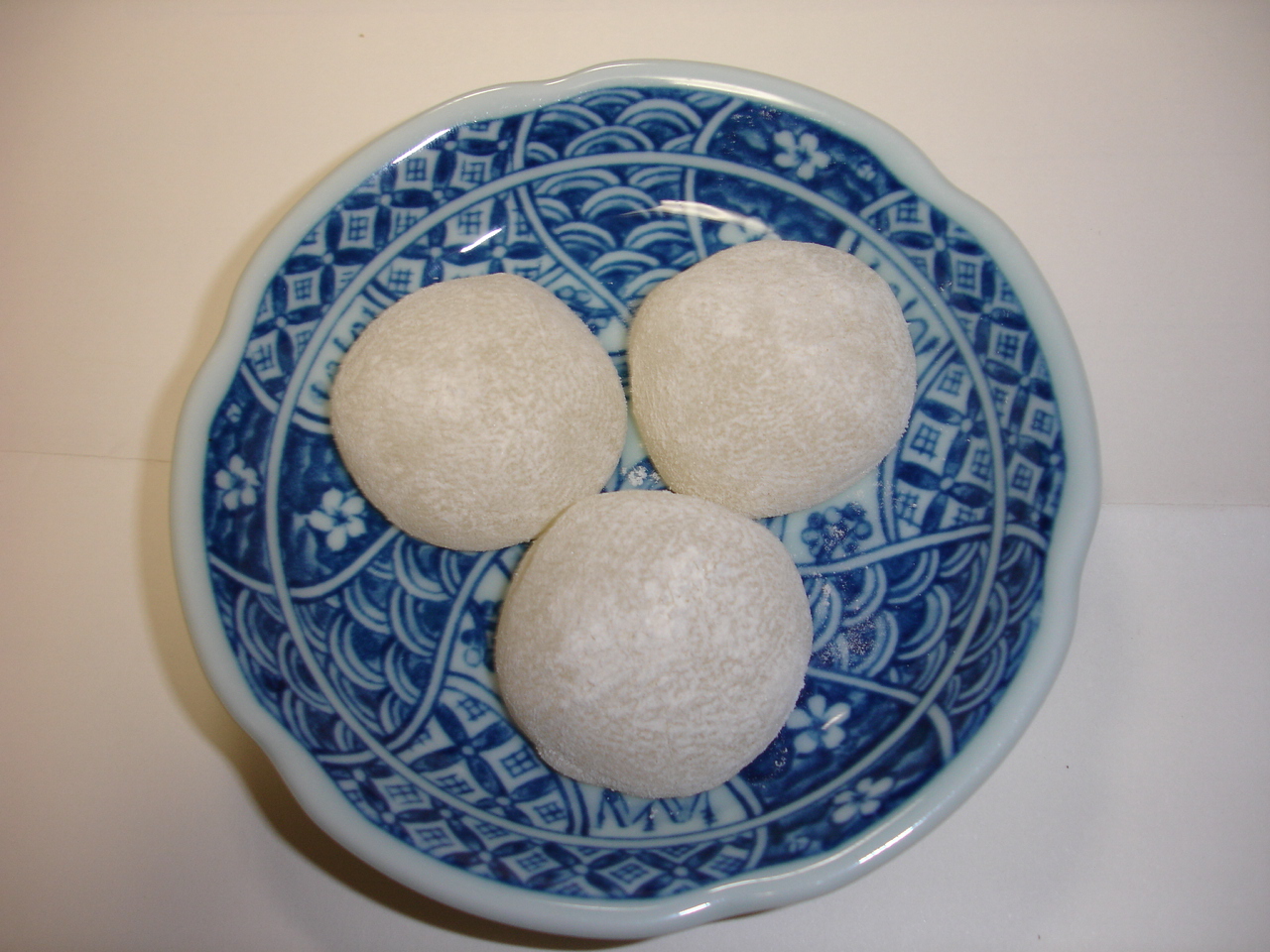
Little knownKibi dango (吉備団子) is Okayama's most iconic confection, a soft mochi-like sweet made from millet (kibi) flour, rice, suga…
 ajari / CC BY 2.0
Achi Shrine
Locally knownAchi Shrine (阿智神社, Achi Jinja) sits atop a forested hill overlooking Kurashiki's Bikan Historical Quarter, offering pano…
 663highland / CC BY-SA 4.0
Ivy Square
Locally knownIvy Square (倉敷アイビースクエア) is a beautifully preserved Meiji-era cotton spinning mill transformed into a hotel, museum, and…
 Oilstreet / CC BY 2.5
Yumeji Seika Museum
Little knownThe Yumeji Seika Museum (夢二生家記念館, Yumeji Seika Kinenkan) preserves the birthplace and childhood home of Takehisa Yumeji…
 eWikiLearner / CC BY-SA 4.0
Angel Road (Shodoshima)
Little knownAngel Road is Shodoshima Island's most romantic natural phenomenon, a mystical sandbar that emerges from the sea twice d…