
Okayama White Peaches
Researched and written by Hinato

Photo: Hajime NAKANO from Tokyo, Japan / Wikimedia Commons (CC BY 2.0) · original
Okayama Prefecture is Japan's premier white peach (白桃, hakutou) producer, cultivating some of the world's most expensive and exquisite peaches, with individual premium fruits selling for ¥10,000+ each. The region's white peaches are renowned for their delicate pale skin, juicy texture, and intense sweetness (often exceeding 13% sugar content), achieved through meticulous cultivation techniques: farmers thin fruit clusters to one or two peaches per branch, wrap each fruit in protective paper bags to maintain pale skin, and hand-harvest at peak ripeness.
The most prized variety is Shimizu Hakuto (清水白桃), developed in Okayama in 1932, with creamy white flesh that melts in the mouth and a refined sweetness balanced by subtle acidity. White peach season runs July–August, with peak availability in late July. In Okayama, white peaches are consumed fresh, transformed into parfaits at specialty cafes, used in wagashi (traditional sweets), and even featured in savory dishes. The prefecture's fruit-growing heritage extends beyond peaches to Muscat of Alexandria grapes and Pione grapes, making Okayama a premium fruit destination. Fruit purchasing etiquette emphasizes visual inspection — peaches should have unblemished skin, slight give when gently pressed, and fragrant aroma. Farmers markets, department store fruit sections, and specialty fruit parlors offer the best selection and quality.
Okayama's reputation for peaches grew out of the same mild, sunny Seto Inland Sea climate that supports its grape production, and the two fruits are often marketed together as symbols of the prefecture's agricultural identity — Okayama is sometimes referred to informally as the 'Fruit Kingdom' (フルーツ王国) in domestic tourism materials because of this dual specialty. Peach cultivation here developed alongside a broader horticultural tradition in the region, with generations of farmers refining thinning, bagging, and pruning techniques originally developed for the Meiji-era orchards that first introduced Western peach varieties to Japan.
The labor involved in producing a single premium peach is considerable relative to the fruit's size — each bag must be applied and later removed by hand at precise stages of ripening, and farmers routinely walk their orchards checking individual fruit for readiness rather than harvesting entire trees at once. This hands-on approach, more akin to tending individual specimens than farming a crop in bulk, is central to why the best Okayama peaches command such high prices, and why longtime local buyers are willing to pay a premium for fruit purchased directly from growers they know rather than anonymous supermarket stock.
Practical details
Opening Hours
Tenmaya Department Store 10:00 AM – 8:00 PM. Okayama Momotaro Market typically 7:00 AM – 9:00 PM. U-pick farms by reservation, July–August.
Closed: Department stores open year-round. U-pick farm season July–August only.
Entrance Fee
White peaches ¥800–2,000 each (standard grade). U-pick all-you-can-eat ¥2,000–3,000. Fruit parfaits ¥2,000–4,000.
Best Season
Late July for peak Shimizu Hakuto white peach season; August for U-pick farm availability
Visit Duration
30–60 minutes for fruit purchasing; 2.5–3 hours for U-pick farm experience; 1–1.5 hours for fruit parlor
Getting There
Access Information
Best sources: Okayama Fruit Farm (fruit picking, July–August, reservation required), Tenmaya Department Store basement fruit section (premium selection), Okayama Momotaro Market (near JR Okayama Station, souvenir-grade fruit). Prices: ¥800–2,000 per peach (standard grade), ¥5,000–15,000 (premium gift grade). Peak season: late July. Fruit parfaits: Okayama Fruits Parlor (near Okayama Station, ¥2,000–3,500), Kuma Fruitier (specialist fruit cafe, ¥2,500–4,000).
Tips
Grading and pricing: Premium grade (特秀, tokushu) features flawless appearance and 13%+ sugar — these are gift-quality fruits sold in decorative boxes (¥8,000–15,000 per box of 4–6 peaches). Standard grade (秀, shu) is 90% as good for 40% of the price (¥800–1,500 each) — ideal for personal consumption. Lower grades (訳あり, wake-ari, 'with reasons') have cosmetic imperfections but identical taste (¥400–600 each). For eating, prioritize ripeness over appearance — peaches should yield slightly to gentle pressure and emit sweet fragrance.
Fruit parlor experience: Okayama's fruit parlors (フルーツパーラー) serve elaborate parfaits showcasing seasonal white peaches — layers of fresh peach slices, peach sorbet, mascarpone cream, and jelly, often garnished with edible flowers. Portions are generous (2–3 peaches per parfait). Reservations recommended for lunch/afternoon (11:00–15:00 peak).
U-pick farms: Fruit-picking farms (果樹園, kajuen) around Okayama city offer all-you-can-eat white peach experiences (¥2,000–3,000, 40-minute sessions, July–August). Picking requires delicate handling — farmers provide baskets and instructions. This offers the freshest possible peaches, picked at perfect ripeness, though fruit-to-go is limited or requires additional purchase.
Book Your Stay Nearby
Find accommodation close to Okayama White Peaches on these trusted booking platforms:
Nearby Spots
The closest hidden gems to Okayama White Peaches, by straight-line distance.
 takeokahp / CC BY 3.0
Okayama Castle
Little knownOkayama Castle (岡山城, Okayama-jō), nicknamed 'Crow Castle' (烏城, U-jō) for its striking black exterior, stands as one of J…
 Unknown author / CC BY-SA 3.0
Kibi Dango
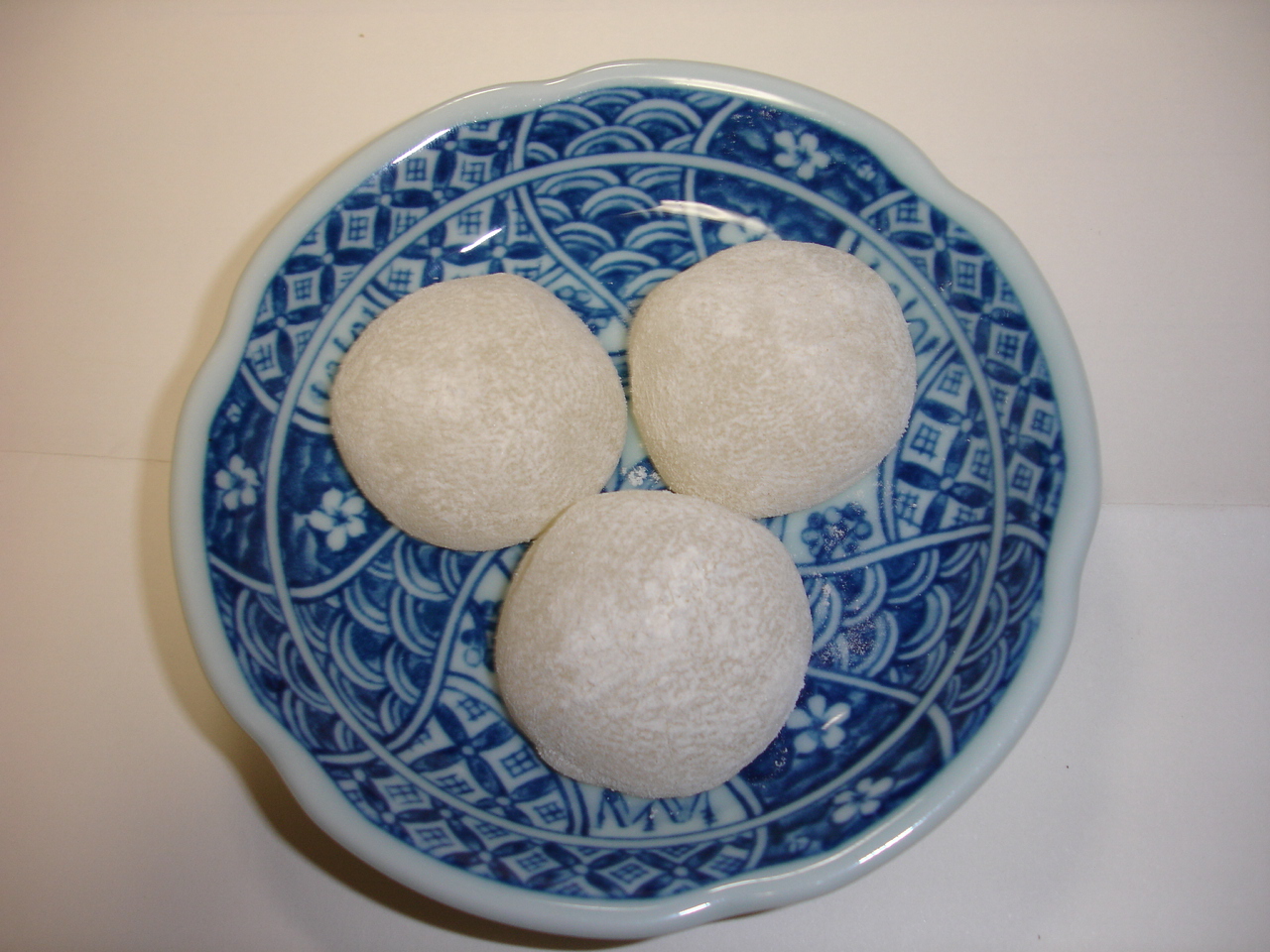
Little knownKibi dango (吉備団子) is Okayama's most iconic confection, a soft mochi-like sweet made from millet (kibi) flour, rice, suga…
 ajari / CC BY 2.0
Achi Shrine
Locally knownAchi Shrine (阿智神社, Achi Jinja) sits atop a forested hill overlooking Kurashiki's Bikan Historical Quarter, offering pano…
 663highland / CC BY-SA 4.0
Ivy Square
Locally knownIvy Square (倉敷アイビースクエア) is a beautifully preserved Meiji-era cotton spinning mill transformed into a hotel, museum, and…
 Oilstreet / CC BY 2.5
Yumeji Seika Museum
Little knownThe Yumeji Seika Museum (夢二生家記念館, Yumeji Seika Kinenkan) preserves the birthplace and childhood home of Takehisa Yumeji…
 eWikiLearner / CC BY-SA 4.0
Angel Road (Shodoshima)
Little knownAngel Road is Shodoshima Island's most romantic natural phenomenon, a mystical sandbar that emerges from the sea twice d…