
Kurashiki Bikan Historical Quarter
Facts verified: August 2026 · Sources: ohara.or.jp, kurashiki-tabi.jp, ohara.or.jp

Photo: takeokahp / Wikimedia Commons (CC BY 3.0)
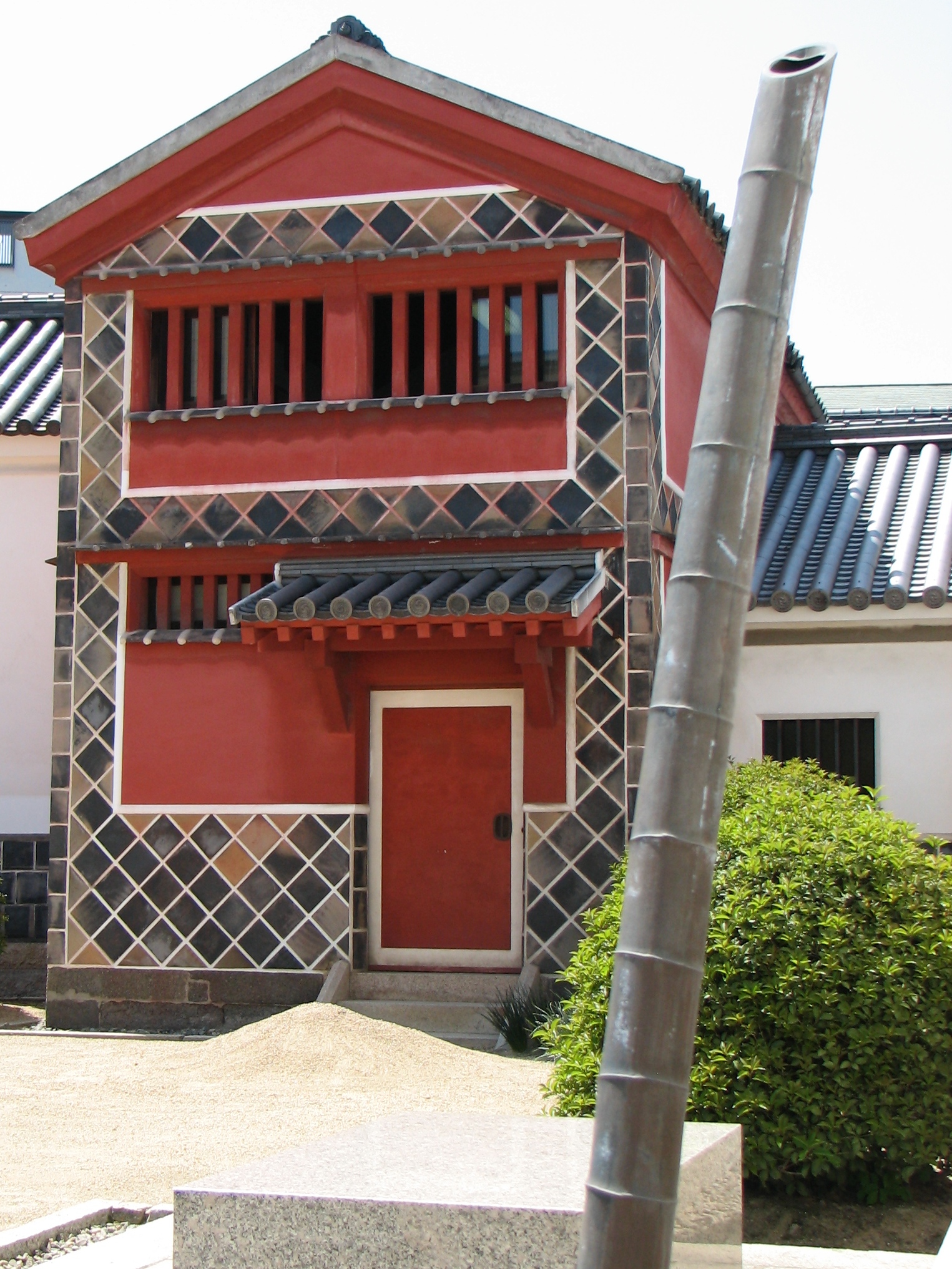
Kurashiki Bikan Historical Quarter (倉敷美観地区, Kurashiki Bikan Chiku) is a beautifully preserved Edo-period merchant district centered on a willow-lined canal, where traditional white-walled warehouses (kura) reflect in calm waters. During the Edo period (1603–1868), Kurashiki thrived as a rice distribution hub under direct shogunate control, and wealthy merchants built distinctive warehouses with white mortar walls, black tile roofs, and latticed windows to store rice and goods.
Today, many warehouses have been converted into museums, cafes, and craft galleries, creating a seamless blend of historical preservation and modern cultural use. The Ohara Museum of Art, Japan's first private museum of Western art (founded 1930 by the industrialist Ohara Magosaburo), occupies a former warehouse and houses works by El Greco, Monet, Matisse, and Picasso. The canal area spans roughly 600 meters, with stone-paved streets, arched bridges, and traditional wooden merchant houses. Evening illuminations cast golden light on white walls, and canal boat rides (¥700 adults, ¥350 children; about 20 minutes) offer waterborne perspectives of the historic architecture. The district's compact size makes it ideal for leisurely exploration, combining art, architecture, and Kurashiki's rich mercantile history.
The canal itself is the district's organizing feature, and much of the pleasure of a visit comes simply from following it on foot — pausing on the arched stone bridges, watching koi carp move beneath the surface, and noting how the reflected warehouses shift with the light through the day. Willow branches trail into the water along much of the route, softening the geometry of the white walls and black tile roofs, and the narrow side lanes running perpendicular to the canal reward unhurried wandering with small craft shops, coffee houses set in former storerooms, and glimpses of residential courtyards still in everyday use behind the tourist-facing frontages.
Because the district grew up around commerce rather than religion or governance, its atmosphere differs from the temple towns and castle towns found elsewhere in the region — the buildings here were built to store and display goods, and that practical origin still shapes the way the streets are laid out, with wide loading areas facing the canal and compact living quarters set back behind them. Many of the shops selling local crafts and food specialties operate out of buildings that have kept this original merchant-house footprint largely intact.
Essential Information
Opening Hours
District: open at all hours | Ohara Museum of Art: 9:00 AM – 5:00 PM (March–November), 9:00 AM – 3:00 PM (December–February) | Canal boat rides: departures every 30 minutes, 9:30 AM – 5:00 PM
Closed: District open year-round. Ohara Museum of Art closed Mondays, except when Monday is a public holiday; open daily in August. Canal boat rides do not run on the second Monday of the month (March–December) and operate only at weekends and on public holidays in January and February.
Entrance Fee
District free | Ohara Museum of Art ¥2,000 adults, ¥500 under 18 | Canal boat rides ¥700 adults, ¥350 children
Best Season
Early morning (8:00–10:00) for atmospheric photography without crowds; evening (18:00–20:00) for golden canal reflections; spring and autumn for pleasant temperatures
Visit Duration
2–3 hours for full exploration including museums, canal area, and Ivy Square
Getting There
Access Information
Insider Guide
Book Your Stay Nearby
Find accommodation close to Kurashiki Bikan Historical Quarter on these trusted booking platforms:
Nearby Spots
The closest hidden gems to Kurashiki Bikan Historical Quarter, by straight-line distance.
Kurashiki Denim Shopping
Kurashiki's Bikan Historical Quarter has embraced the region's denim heritage, with numerous boutiques and craft shops i…
Ohara Museum of Art
The Ohara Museum of Art (大原美術館, Ohara Bijutsukan) holds the distinction of being Japan's first museum dedicated to Weste…

Ivy Square
Ivy Square (倉敷アイビースクエア) is a beautifully preserved Meiji-era cotton spinning mill transformed into a hotel, museum, and…

Achi Shrine
Achi Shrine (阿智神社, Achi Jinja) sits atop a forested hill overlooking Kurashiki's Bikan Historical Quarter, offering pano…

Bitchu Kokubunji
The five-storey pagoda at Bitchu Kokubunji is the only one in Okayama Prefecture and the fixed point of the Kibiji lands…
Kojima
Kojima (児島), a district in southern Kurashiki, is revered worldwide as the birthplace of Japanese denim and the origin o…
More in Okayama
Yakage Post Town
Yakage was the eighteenth station on the Sanyodo highway, and unusually both of its principal inns survive: the honjin,…
Demi-katsu Don
Okayama's katsudon comes under demi-glace. It should not work and it has been the city's dish for ninety years. The sau…
Maneki-neko Museum
This was the first museum in Japan devoted to the beckoning cat, and it is a hundred-year-old farmhouse in the hills nor…