

Uji (宇治) has produced Japan's finest green tea for over 800 years, and Uji matcha (抹茶) is considered the gold standard for tea ceremony. The region's climate (morning mist, river valleys) and soil create ideal growing conditions. Uji tea shops and cafes serve matcha in every form: traditional tea ceremony, matcha parfaits, matcha soba noodles, and soft-serve ice cream.
The family has served matcha for 24 generations on the same site beside Uji Bridge.
Essential Information
Opening Hours
Varies by restaurant — confirm before visiting
Closed: Varies by shop | Tsuen Tea: open daily
Entrance Fee
Free | Matcha set ¥850–1,600 | Matcha parfait ¥1,200–1,600 | Tea plantation tours ¥3,000–5,000
Best Season
May–June (first flush harvest, freshest tea) | Year-round for matcha sweets
Visit Duration
1.5–2 hours (tea shop visits + town walk)
Getting There
Access Information
Insider Guide
Nearby Spots
The closest hidden gems to Uji Matcha, by straight-line distance.

Byodo-in Phoenix Hall
Byodo-in Temple (平等院) features the Phoenix Hall (鳳凰堂, Hōōdō), a National Treasure depicted on Japan's 10-yen coin and 10…

Fushimi Sake District
Fushimi (伏見) is one of Japan's three premier sake-brewing regions, blessed with underground springs of exceptionally sof…
Fushimi Inari Taisha
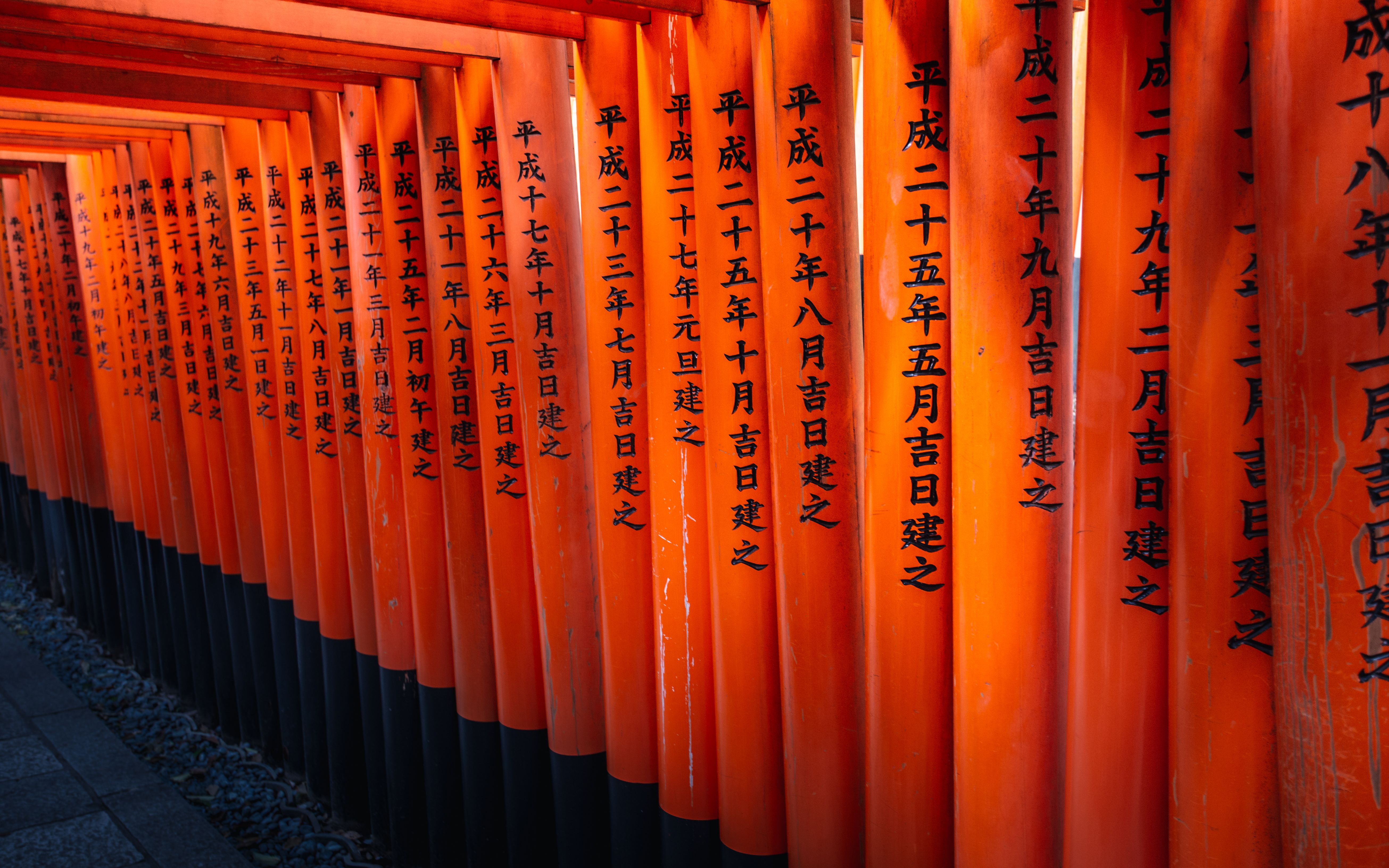
Fushimi Inari Taisha is Kyoto's most iconic shrine, famous for the Senbon Torii (千本鳥居, 'thousands of torii gates') — a t…
Ishiyama-dera Temple
Ishiyama-dera (石山寺, 'Stone Mountain Temple') is a historic Buddhist temple founded in 747 CE, built on a massive natural…

Tofuku-ji Temple
Tofuku-ji Temple (東福寺) is Kyoto's premier autumn foliage destination, featuring 2,000 maple trees that create a 'sea of…
Seta no Karahashi
Seta no Karahashi (瀬田の唐橋) is a historic bridge spanning the Seta River where it flows out of Lake Biwa. The bridge's str…
More in Kyoto

Yasaka Shrine
Yasaka Shrine (八坂神社) anchors the eastern end of Gion, serving as Gion Matsuri's spiritual headquarters and guardian of t…

Kyoto Traditional Sweets
Wagashi (和菓子, traditional Japanese sweets) reached its aesthetic and technical peak in Kyoto, where sweets-making became…
Kamo River Noryo-yuka
The Kamo River (鴨川) flows through central Kyoto, and during summer (May–September) restaurants along its banks construct…