
Most Instagrammable Spots in Japan
Japan's visual culture translates perfectly to Instagram — neon-soaked intersections, minimalist temples, food so artful it seems criminal to eat. These 15 spots are engineered for photography: perfect symmetry, bold colors, or surreal landscapes that don't look real even when they are. Bring a wide-angle lens, arrive at golden hour, and prepare for other photographers camping the same angles.
This is the most subjective list on the site and the one most in need of a disclaimer, so here is both. It contains no measurement of any kind. There is no data on how often these places are photographed, no engagement figures, no hashtag counts, and nothing in the ordering derived from what performs on any platform. It is one person's assessment of which places in this site's catalogue are unusually rewarding to photograph, and it should be read as exactly that.
What the selection is actually testing for is visual legibility: whether a place resolves into a strong image from positions a visitor can stand in, without special access, a permit, or equipment most travellers do not carry. Plenty of remarkable places photograph poorly for ordinary visitors — the vantage point is closed, the interesting part is dark, the scale collapses in a frame — and they are not here. Places with a strong graphic quality (repetition, symmetry, saturated colour, a clean silhouette) or a genuinely unusual subject rank highest, because those survive a phone camera and imperfect light.
Ordering weighs how forgiving a place is. Somewhere that gives you a good photograph in most weather at most times of day ranks above somewhere that produces a spectacular one in a narrow window of light and nothing the rest of the time. Where an entry does depend on timing, the note says so rather than leaving you to discover it.
Two things this list takes seriously and would be irresponsible not to. Several photogenic places in Japan are also places where people live, work or worship, and where photography is restricted, discouraged or simply rude; entries note where that applies, and the ranking does not reward a place for being tempting to photograph in a way that would make you a nuisance. And a place being highly photographed is a reason to expect a crowd of others doing the same, which is worth knowing before you plan a morning around one shot.
The honest framing: use this as a list of visually strong places, not as a ranking of anything measurable.
Last revised . No visitor numbers, review scores or user votes are used.
Why #1?
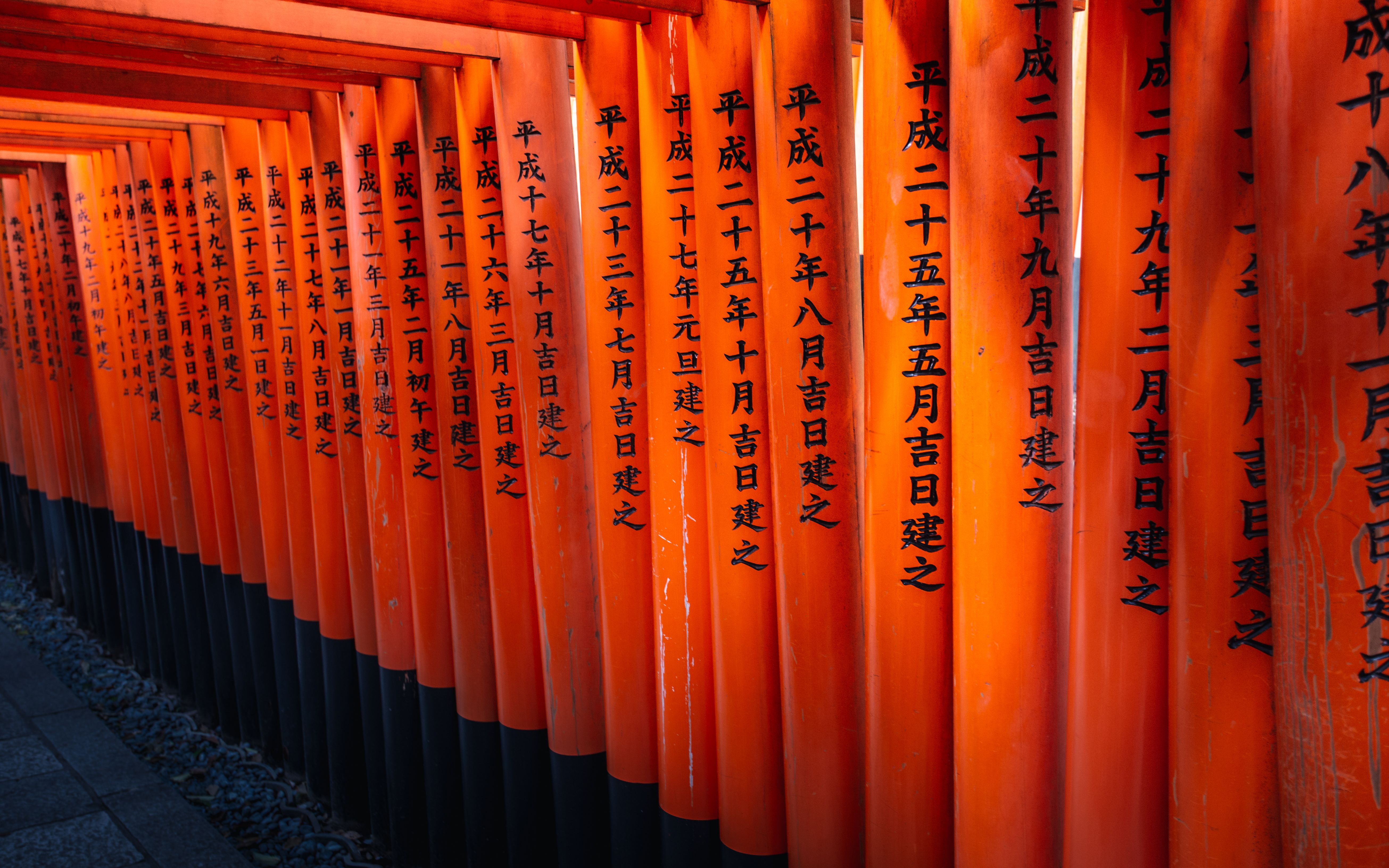
The vermillion torii tunnel is Japan's most photographed sight. Shoot upward for vertical compression or straight for vanishing point.
 Pexels
Fushimi Inari Taisha
FamousFushimi Inari Taisha is Kyoto's most iconic shrine, famous for the Senbon Torii (千本鳥居, 'thousands of torii gates') — a t…
Why #2?
Photograph from Starbucks 2nd floor or Magnet rooftop for the full pedestrian surge. Evening neon glow optimal.
 Unsplash
Shibuya Scramble Crossing
FamousShibuya Scramble Crossing (渋谷スクランブル交差点) is the world's busiest pedestrian intersection, where up to 3,000 people cross s…
Why #3?
Shoot upward with wide-angle lens for towering bamboo effect. Overcast days provide soft, even lighting.
 Unsplash
Arashiyama Bamboo Grove
FamousThe Arashiyama Bamboo Grove (嵯峨野の竹林) is a path through thousands of towering bamboo stalks that create a natural cathedr…
Why #4?
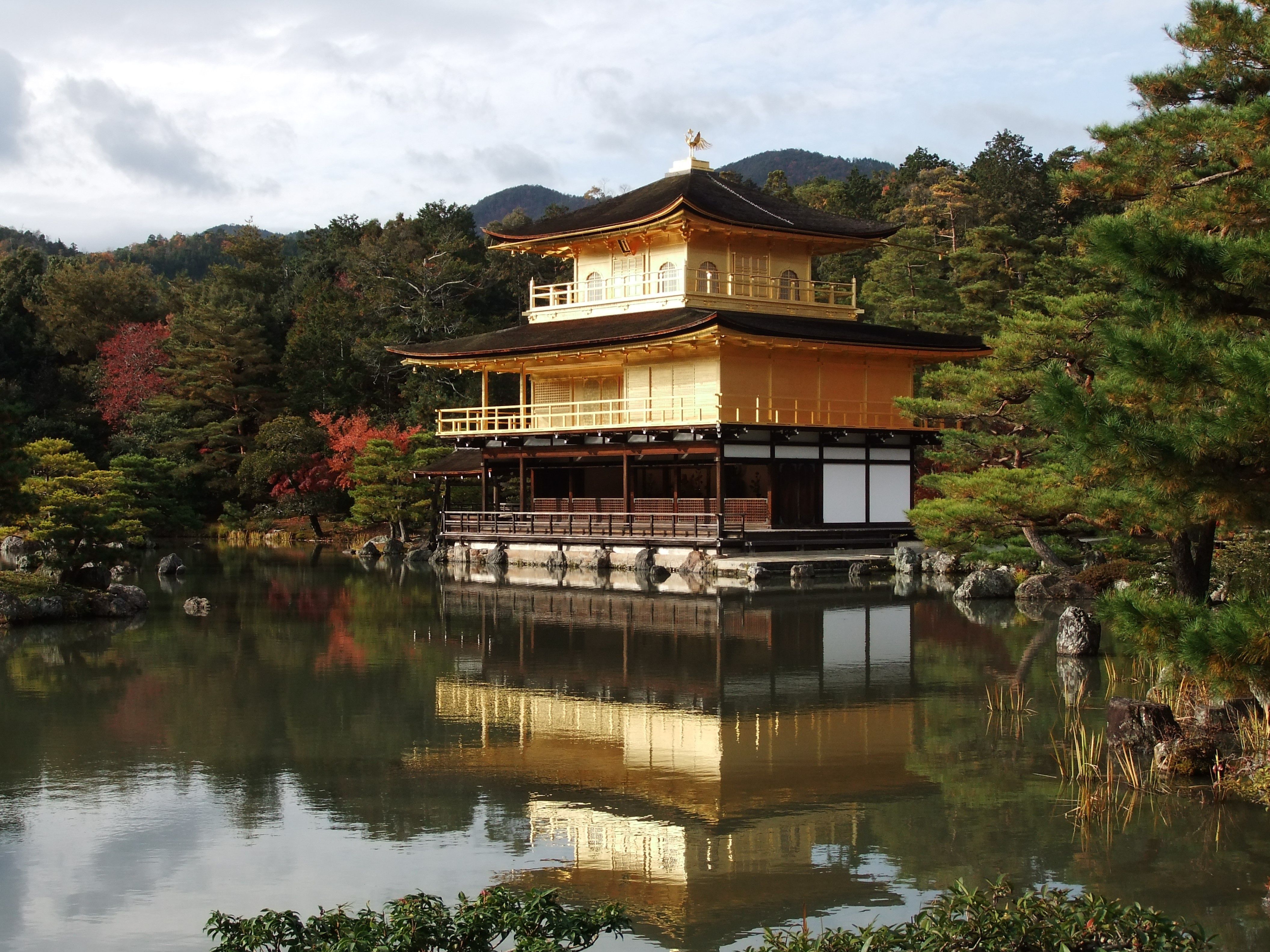
The classic angle: golden pavilion reflected in Mirror Pond. Morning light (9-11am) illuminates the gold leaf.
 Pexels
Kinkaku-ji Golden Pavilion
FamousKinkaku-ji (金閣寺, 'Temple of the Golden Pavilion') is a three-story Zen Buddhist temple covered in pure gold leaf, reflec…
Why #5?
LED installations in mirrored rooms create infinite reflections. Shoot low to capture floor reflections; high ISO needed.
 DannyWithLove / CC BY-SA 4.0
teamLab Borderless
FamousWalking into teamLab Borderless (チームラボボーダレス) feels like stepping through a screen into someone's fever dream. The space…
Why #6?
Photograph from Roppongi Hills or Tokyo City View observation deck. Blue hour (30 minutes after sunset) is optimal.
 kanesue / CC BY 3.0
Tokyo Tower
FamousTokyo Tower (東京タワー) is a 333-meter red-and-white communications tower completed in 1958, inspired by the Eiffel Tower bu…
Why #7?
The running man neon sign defines Osaka. Shoot from canal bridge with reflections in water below.
 勇寿憲 / CC BY-SA 3.0
Dotonbori
FamousDotonbori (道頓堀) is Osaka's most iconic entertainment district — a neon-lit canal lined with restaurants, bars, and massi…
Why #8?
4.5 million baby blue flowers in April-May. Aerial drone shots show the blue carpet extending to horizon.
 くろふね / CC BY 3.0
Hitachi Seaside Park
Well knownHitachi Seaside Park transforms twice a year into one of Japan's most photographed landscapes. In late April through mid…
Why #9?
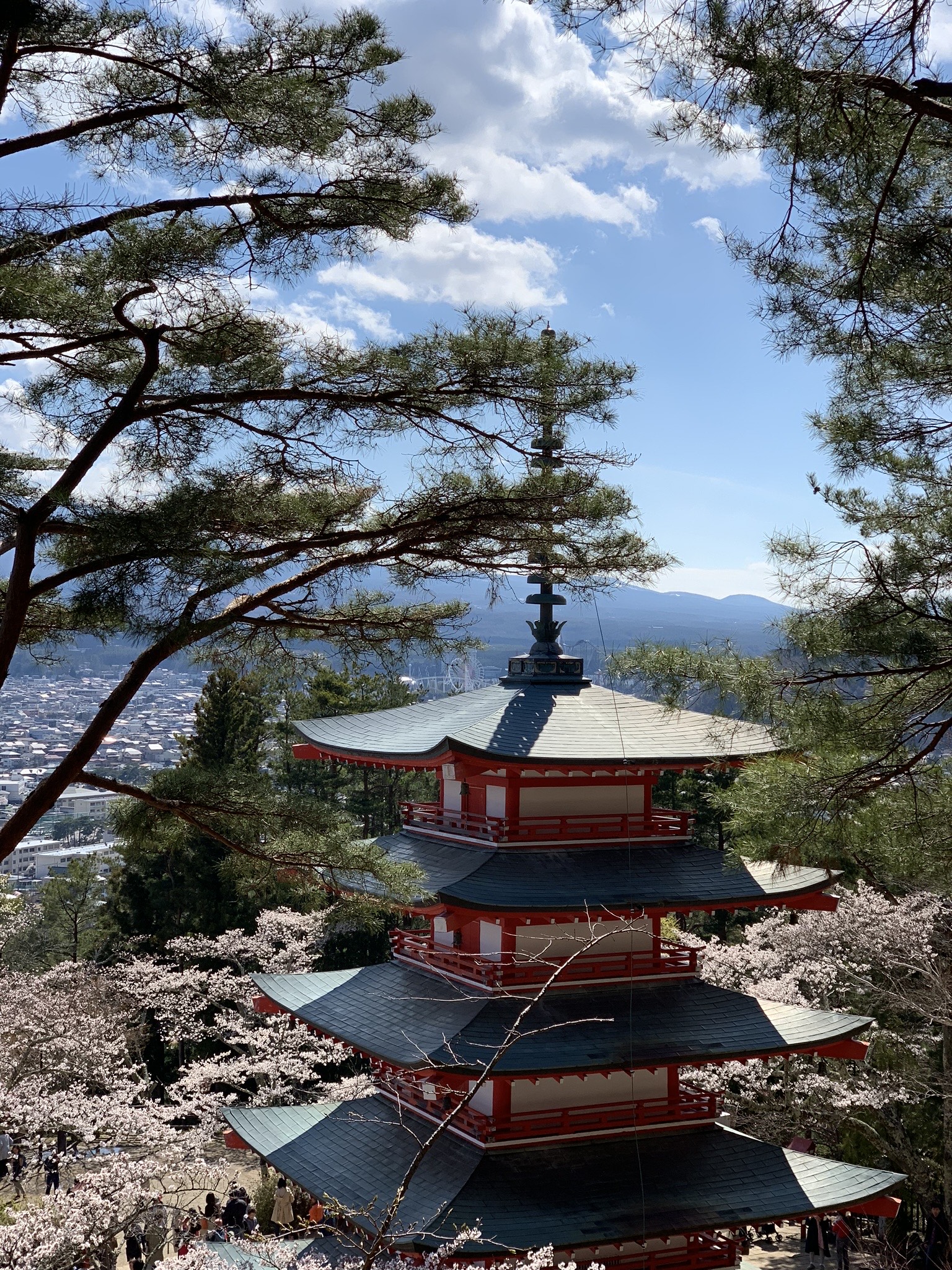
Five-story pagoda with Fuji behind it. Cherry blossoms (early April) add foreground; climb 400 steps for the angle.
 1i1ian / CC BY-SA 4.0
Chureito Pagoda
FamousThe Chureito Pagoda, a five-story vermillion structure perched on the hillside above Fujiyoshida City, offers the postca…
Why #10?
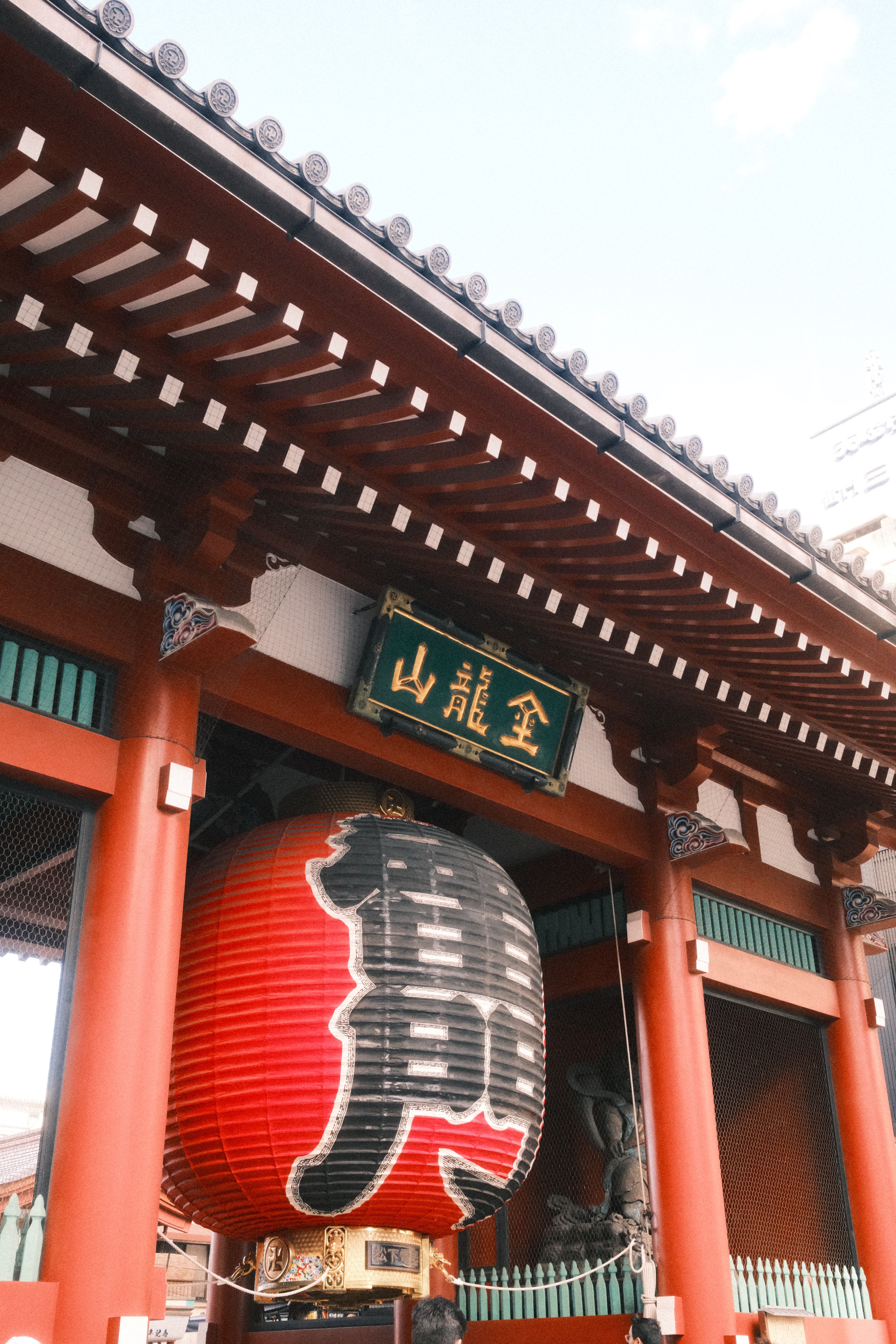
The massive red lantern at Kaminarimon Gate. Shoot from directly below looking up, or evening for illumination.
 Pexels
Senso-ji Temple
FamousSenso-ji (浅草寺) is Tokyo's oldest and most significant Buddhist temple, founded in 645 AD after two fishermen discovered…
Why #11?
Pontocho alley's narrow lantern-lit corridor. Evening shots capture traditional architecture with warm glow.
 Wolfiewolf from Pontocho street in Nakagyo, Kyoto / CC BY 2.0
Pontocho Alley
FamousPontocho (先斗町) is a narrow 500-meter alley running parallel to the Kamo River, lined with traditional wooden buildings h…
Why #12?
Colorful storefronts, cosplayers, and crepe stands. Candid street photography captures Tokyo youth energy.
 ภาพประกอบ (ไม่ใช่ภาพถ่าย)
Takeshita Street
FamousTakeshita Street (竹下通り, Takeshita-dori) is a 350-meter pedestrian alley in Harajuku, lined with shops selling kawaii (cu…
Why #13?
Underwater cave with bioluminescent blue light. Requires snorkeling/diving gear; GoPro essential.
Blue Cave
Well knownThe Blue Cave (青の洞窟, Ao no Dokutsu) is a partially submerged sea cave near Maeda Point where sunlight filtering through…
Why #14?
Monkeys bathing in hot springs with snow falling. Telephoto lens (200mm+) captures expressions without disturbing them.
 迷惘的人生 / CC BY-SA 2.0
Jigokudani Snow Monkey Park
Well knownJigokudani Yaen-koen (地獄谷野猿公苑, 'Hell Valley Wild Monkey Park') is the only place in the world where wild Japanese macaqu…
Why #15?
Shinjuku or Kabukicho neon reflected in rain puddles. Shoot low angle after rain; evening rush hour (20:00-22:00).
 Basile Morin / CC BY-SA 4.0
Shinjuku Kabukicho
FamousKabukicho (歌舞伎町) is Tokyo's largest entertainment and red-light district, a neon-soaked maze of narrow alleys packed wit…
Explore More Rankings
Discover other curated lists to plan your perfect Japan itinerary
View All Rankings