
หน้านี้ยังไม่ได้แปล จึงแสดงเป็นภาษาอังกฤษ
Takachiho Yokagura
ค้นคว้าและเขียนโดย Hinato
จังหวัดมิยาซากิ · Takachiho
32.7158°N, 131.3103°E
Between mid-November and early February, 20 villages across Takachiho hold all-night kagura ceremonies in private homes and community halls. The host family clears their main room, installs a temporary shrine, and invites neighbors to witness 33 dance sequences performed from 7pm until dawn. Dancers are local farmers who inherit roles through family lines—the same families have performed specific dances for 8-12 generations. They wear hand-carved wooden masks (some over 200 years old) and costumes made by village women. The flute player sits cross-legged for seven hours straight. At 3am, someone makes fresh amazake (sweet rice drink) to keep everyone awake.
ข้อมูลสำคัญ
เวลาเปิดทำการ
Takachiho Shrine tourist performance: 8:00 PM – 9:00 PM nightly year-round | Full all-night yokagura: November–February (private homes, by invitation)
วันหยุด: Shrine performances run nightly year-round | Full ceremonies: outside November–February season
ค่าเข้าชม
Shrine tourist performance: ¥700 adults | Full all-night yokagura in private homes: ¥3,000 cash offering (bring gift of sake/beer)
ฤดูที่ดีที่สุด
November–February for authentic all-night ceremonies | Year-round for shrine tourist performance
ระยะเวลาเที่ยวชม
1 hour (shrine tourist show) | 8–10 hours (full all-night ceremony, 7:00 PM to dawn)
การเดินทางไป
ข้อมูลการเดินทาง
การเดินทางและช่วงเวลาโดยละเอียด
สถานีที่ใกล้ที่สุด
Takachiho Bus Stop (Miyakoh Bus from Nobeoka Station, JR Nippo Main Line) — 1 hr 20 min bus, ¥1,800
เวลาเดินทาง
From Miyazaki City: 2 hrs by car | From Kumamoto: 2 hrs by car | No direct train access — all routes require bus or car
วิธีเดินทางไป
Bus: Miyakoh Bus from Nobeoka Station (JR) to Takachiho (1 hr 20 min, ¥1,800, 6 daily). Very limited service — check schedule carefully. Car: From Miyazaki City, Route 218 west (2 hrs). From Kumamoto, Route 325 or 218 (2 hrs). Mountain roads narrow — drive carefully. Taxi: Available at Takachiho Bus Stop for local transfers (¥800–1,500).
ช่วงเวลาที่ควรไป
Arrive before 7:45 PM to secure seating at shrine performance (100-seat tatami hall). For full ceremonies, October advance planning needed — contact tourism association in September.
เคล็ดลับเลี่ยงคนเยอะ
Shrine performances fill on weekends and national holidays — arrive 30 min early. Full all-night ceremonies are uncrowded by design (local family events). November–December November weekends are busiest for Takachiho Gorge + yokagura combined tourism.
ข้อมูลที่จอดรถ
Takachiho Shrine: free parking (50 cars). Takachiho town center: multiple free lots near tourism office. Car strongly recommended — bus service to shrine is very limited.
คู่มือจากคนใน
จองที่พักใกล้เคียง
ค้นหาที่พักใกล้ Takachiho Yokagura บนแพลตฟอร์มจองที่เชื่อถือได้เหล่านี้:
สถานที่ใกล้เคียง
สถานที่ลับที่อยู่ใกล้ Takachiho Yokagura มากที่สุด เรียงตามระยะทางเส้นตรง
 ブルーノ / CC BY-SA 4.0
Takachiho Amaterasu Railway
Little knownThe Takachiho Railway line was permanently closed after a typhoon in 2005 destroyed sections of track. Rather than resto…
 Raita Futo from Tokyo, Japan / CC BY 2.0
Takachiho Gorge
Well knownTakachiho Gorge is one of Japan's most dramatic natural landscapes, carved by the Gokase River through ancient volcanic…
Amano Yasukawara Cave
Well knownAmano Yasukawara (天安河原) is a large riverside cave along the Iwato River, believed to be the site where 8 million kami (g…
 ภาพประกอบ (ไม่ใช่ภาพถ่าย)
Kunimigaoka
Little knownKunimigaoka is a ridge above the Takachiho basin where, according to the legend, Takeiwatatsu — a grandson of Emperor Ji…
 sk01 / CC BY-SA 3.0
Hakusui Dam
Locally knownHakusui is an irrigation weir, 14 metres high and 87 metres across, built between 1934 and 1938 on the upper Ono river,…
 Ann Lee / CC BY-SA 2.0
Kamishikimi Kumanoimasu Shrine
Little knownThe approach to Kamishikimi Kumanoimasu runs uphill through cedar forest between ninety-seven moss-covered stone lantern…
สถานที่อื่น ๆ ในจังหวัดมิยาซากิ
Lettuce Maki
Little knownIn 1966 the owner of a sushi shop in Miyazaki City made a roll of boiled prawn, lettuce and mayonnaise. At the time raw…
 Tempaku44 / CC BY-SA 3.0
Nikumaki Onigiri
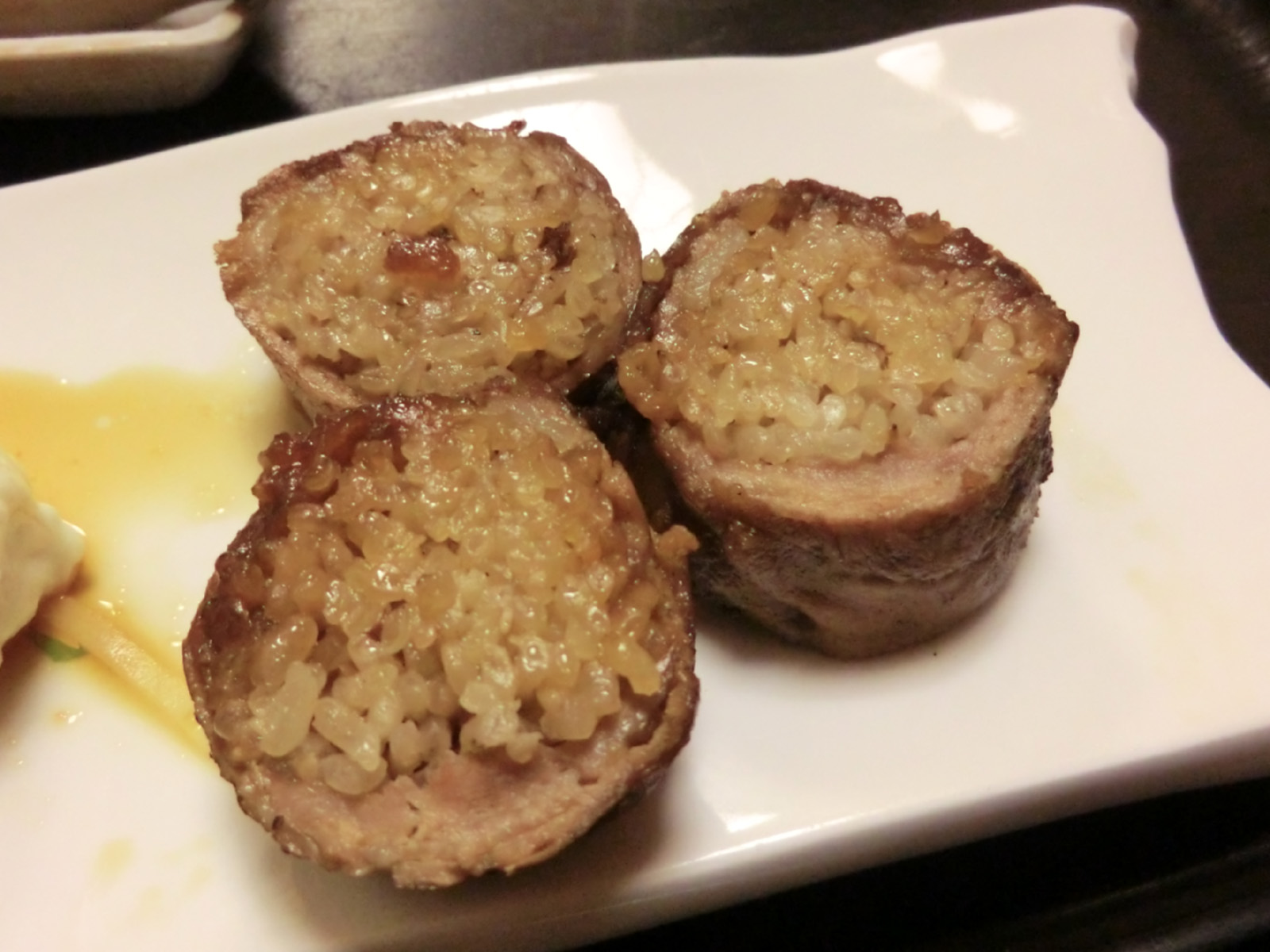
Little knownA rice ball wrapped in marinated pork belly, roasted until the outside caramelises, and wrapped again in a lettuce leaf.…
Cape Toi (Misaki Horses)
Little knownCape Toi (Toi Misaki) is famous for its free-roaming Misaki horses — one of Japan's eight native horse breeds. Around 10…