
หน้านี้ยังไม่ได้แปล จึงแสดงเป็นภาษาอังกฤษ
Taro Kanko Hotel
ค้นคว้าและเขียนโดย Hinato

Photo: Yasu ( talk ) / Wikimedia Commons (CC BY-SA 3.0) · original
Taro built the largest tsunami sea wall in Japan — two and a half kilometres of concrete, ten metres high, in an X across the front of the town — and called itself the tsunami defence capital. In March 2011 the wave went over it. The town behind was destroyed.
The Taro Kanko Hotel is what the city kept. The lower two floors were stripped to their frames and the upper floors survived, and it stands on the shore exactly as the water left it. The owner filmed the wave from the sixth floor and that footage, never released to broadcasters, is shown to visitors inside. The exterior can be seen freely; going inside means booking the Manabu Bosai guided programme, which is priced per group and runs from the sea wall down to the building.
ข้อมูลสำคัญ
เวลาเปิดทำการ
Exterior viewable at all times | Guided programme bookings 9:00 AM – 4:00 PM, to 3:30 PM November–March
วันหยุด: Interior by advance booking only
ค่าเข้าชม
Free exterior | Guided 60-minute course from ¥5,000 per group of up to 9 | 90–120 minute eco course from ¥12,000
ฤดูที่ดีที่สุด
Year-round
ระยะเวลาเที่ยวชม
60 minutes | 90–120 minutes for the eco course
การเดินทางไป
ข้อมูลการเดินทาง
คู่มือจากคนใน
สถานที่ใกล้เคียง
สถานที่ลับที่อยู่ใกล้ Taro Kanko Hotel มากที่สุด เรียงตามระยะทางเส้นตรง
 くろふね / CC BY 3.0
Jodogahama Beach
Little knownJodogahama (浄土ヶ浜, 'Pure Land Beach') is one of Tohoku's most scenic coastal landscapes — a protected cove with pure whit…
 ภาพประกอบ (ไม่ใช่ภาพถ่าย)
Ryusendo Cave
Locally knownRyusendo Cave is one of Japan's three largest limestone caves, famous for its underground lakes of exceptional clarity a…
Kitayamazaki
Little knownKitayamazaki is eight kilometres of cliff on the Sanriku coast, two hundred metres straight down to the water, and it is…
Hashino Iron Mining Site
Well knownIn 1858 Oshima Takato, working from a Dutch textbook, built a Western-style blast furnace here and produced Japan's firs…
 z tanuki / CC BY 3.0
Tono Furusato Village
Little knownTono is where Yanagita Kunio collected the folk tales that became Tono Monogatari, and this open-air site is where the b…
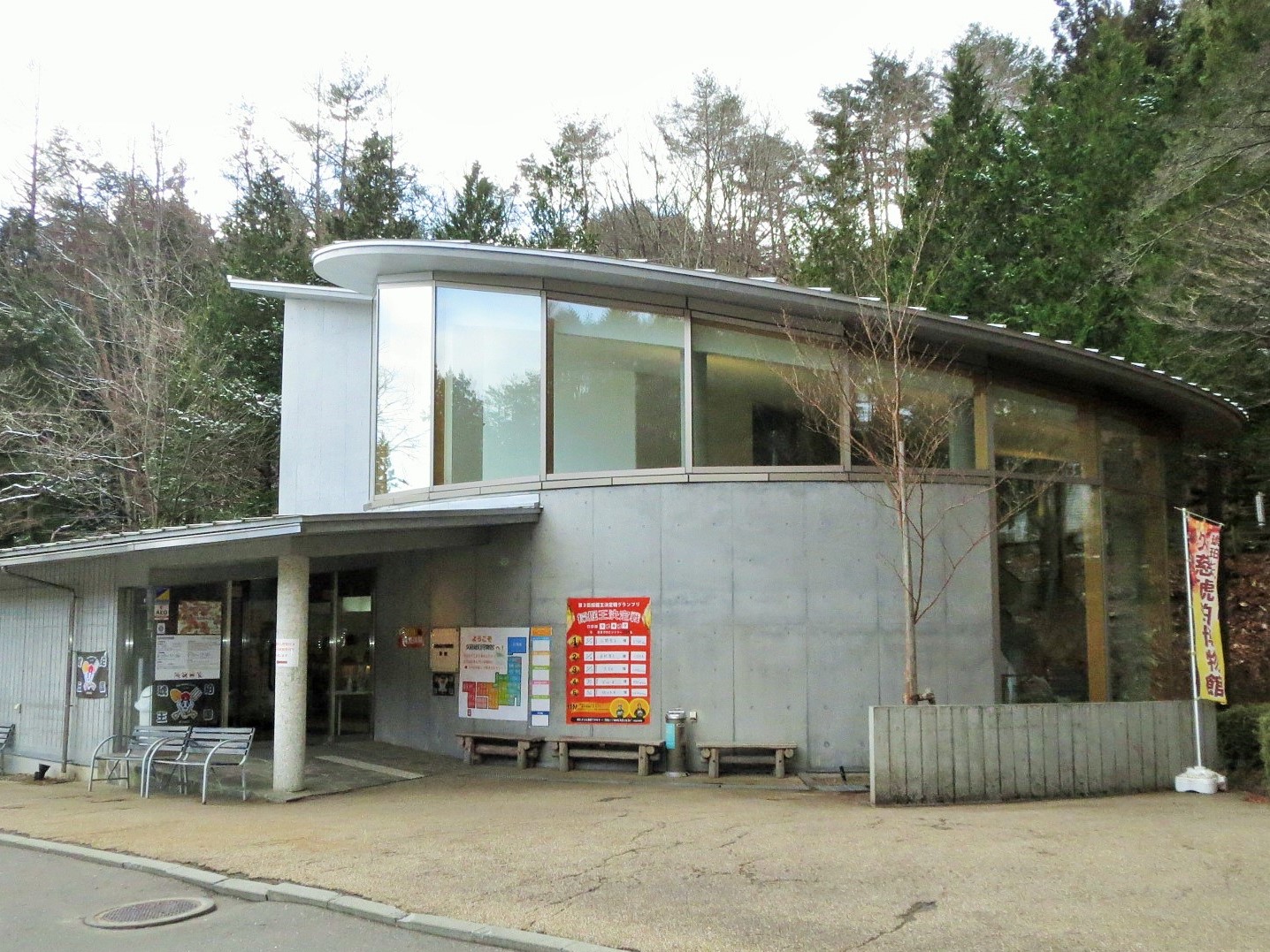 Ty19080914 / CC BY-SA 4.0
Kuji Amber Museum
Little knownKuji amber is around 85 million years old, from the Cretaceous, which makes it substantially older than Baltic amber and…
สถานที่อื่น ๆ ในจังหวัดอิวาเตะ
 663highland / CC BY-SA 4.0
Takkoku no Iwaya Bishamon-do
Well knownTakkoku no Iwaya Bishamon-do is a Buddhist temple built into a cliff cave, dramatically perched on a rock face 15 meters…
 Renate Hano / CC BY-SA 4.0
Motsuji Temple Garden
Well knownMotsuji Temple was once larger than Chusonji, containing 40 temple buildings and 500 monks' quarters during the Northern…
Tono Folktales
Little knownTono is Japan's folklore capital, a rural mountain city famous for preserving traditional tales of kappa (water imps), z…