
本页尚未翻译,暂以英文显示。
Akita Nairiku Line
调查与撰写 Hinato

Photo: Wc018 / Wikimedia Commons (CC BY-SA 4.0) · original
The Akita Nairiku Line runs ninety-four kilometres north to south through the middle of the prefecture, from Takanosu to Kakunodate, on a single track that was never finished as a national railway and was completed by a third-sector company in 1989. It goes through country that has almost nothing else in it — the Ani valley, which is matagi country, home to the hunting culture of the northern mountains, with stations named after it.
The stretch between Hitachinai and Oku-Ani crosses the Ani river gorge on a bridge, and in autumn the train slows on it so passengers can look. Three services a day run as the Moriyoshi express with an attendant giving commentary and selling food, and observation cars run at weekends. A supplementary express fare of ¥160 or ¥320 applies. It is one of the last railways of its kind and it is not certain how long it lasts.
The line survived a period when many of Japan's smaller regional railways were closed outright, converted instead to third-sector status with local municipalities and the prefecture taking a stake to keep it running — a common fate for rural lines built too late or judged too lightly used to remain under JR ownership. Ridership has thinned as the towns along its route have aged and depopulated, and much of what keeps the line viable today is a combination of school commuters, elderly residents without cars, and tourists drawn by the scenery rather than daily point-to-point travel. The stations themselves reflect this quiet decline in the best way — small unstaffed platforms, some with only a bench and a timetable board, set against forested hillsides that see little other development. Riding the full length end to end gives a sense of Akita's interior that the coastal towns and better-known sights rarely provide: narrow river valleys, scattered farmhouses, and long stretches where the train is the only visible sign of modern infrastructure. Photographers and rail enthusiasts increasingly make special trips for the line specifically because of this uncertainty about its future, treating a ride as much a documentation of a vanishing kind of rural Japan as a simple journey between two towns.
基本信息
营业时间
Trains run through the day | Three Moriyoshi express services daily
公休: Operates year-round | Services reduced in severe weather
门票
Ordinary fare by distance | Moriyoshi express supplement ¥160 up to 50 km, ¥320 beyond
最佳季节
Late October for autumn colour on the gorge | Winter for deep snow
建议停留
Around 3 hours end to end | Half a day with stops
如何前往
交通信息
独家私藏情报
邻近景点
距离Akita Nairiku Line最近的私藏景点,按直线距离排序。
 Wc018 / CC BY-SA 4.0
Isedotai Site
Well knownIsedotai has four stone circles, which is unique in Japan — every other Jomon circle site has one or two. They sit on a…
 Raita Futo from Tokyo, Japan / CC BY 2.0
Tamagawa Onsen
Little knownTamagawa produces nine thousand litres a minute from a single source at 98 degrees and pH around 1.2 — the largest singl…
 掬茶 / CC BY-SA 3.0
Goshogake Onsen
Little knownGoshogake sits at about a thousand metres on the western flank of Hachimantai in an area of active geothermal ground, an…
 MaedaAkihiko / CC BY-SA 4.0
Gono Line and Resort Shirakami
Little knownThe Gono Line runs 147 kilometres from Higashi-Noshiro in Akita to Kawabe in Aomori, and for about eighty of them it is…
Nyuto Onsen
Well knownNyuto Onsen (乳頭温泉郷) is a cluster of seven secluded hot spring inns deep in the Towada-Hachimantai National Park, 50 kilo…
 掬茶 / CC BY-SA 4.0
Akita Inu Dogs
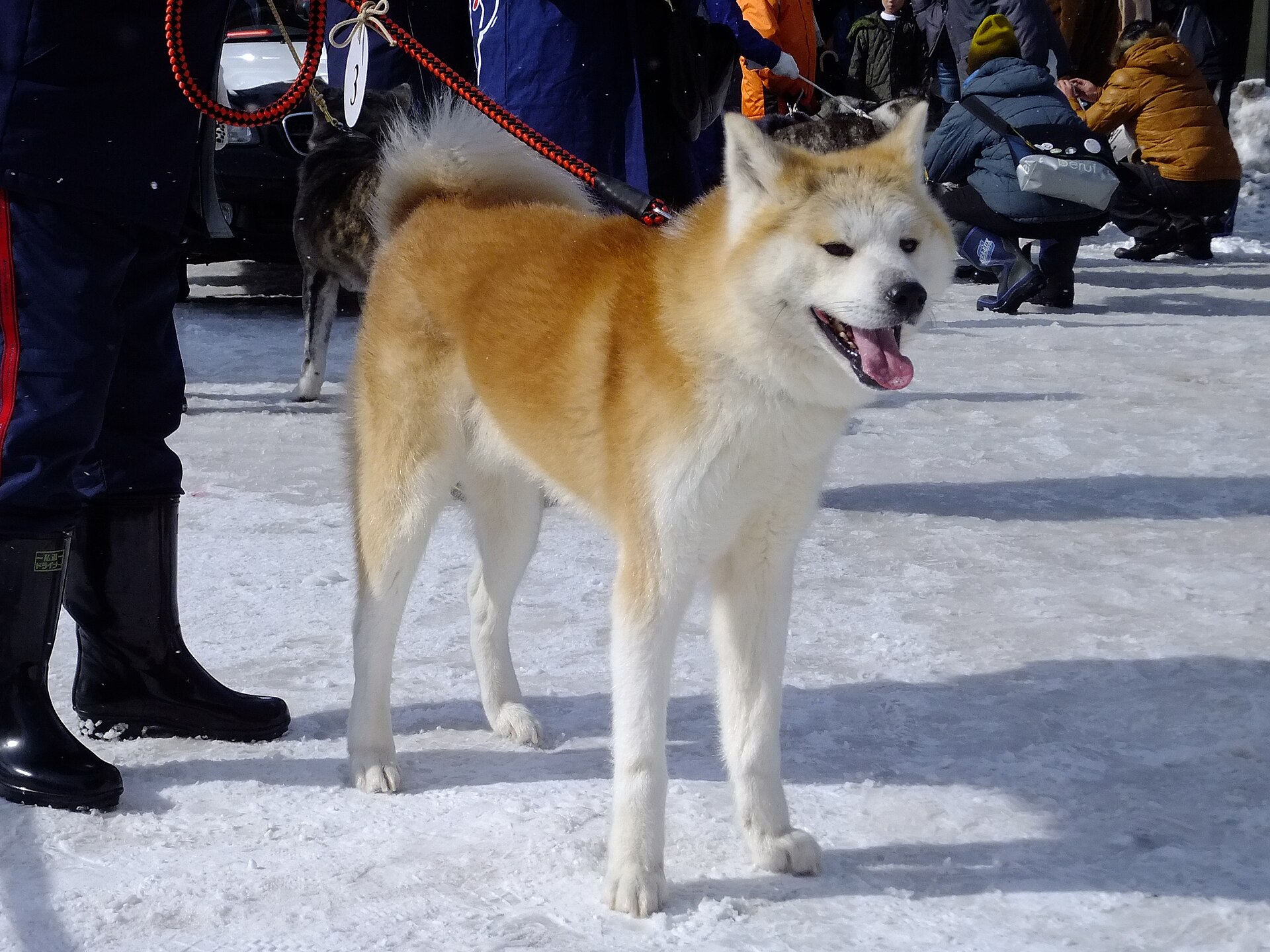
Little knownAkita Inu (秋田犬) are one of Japan's six native dog breeds, designated a Natural Monument in 1931. Originating in the Odat…
更多秋田县的景点
Oga Aquarium GAO
Little knownOga Aquarium GAO (男鹿水族館GAO) perches on a cliff overlooking the Sea of Japan, specializing in cold-water species native t…
 掬茶 / CC BY-SA 4.0
Yokote Kamakura Festival
Little knownThe Yokote Kamakura Festival (横手のかまくら) is a 450-year-old winter tradition held annually February 15-16, where the city c…
 くろふね / CC BY-SA 4.0
Hinai-jidori Chicken
Little knownHinai-jidori (比内地鶏) is one of Japan's three premier chicken breeds (alongside Nagoya Cochin and Satsuma chicken), native…