
本页尚未翻译,暂以英文显示。
Wanko Soba
调查与撰写 Hinato
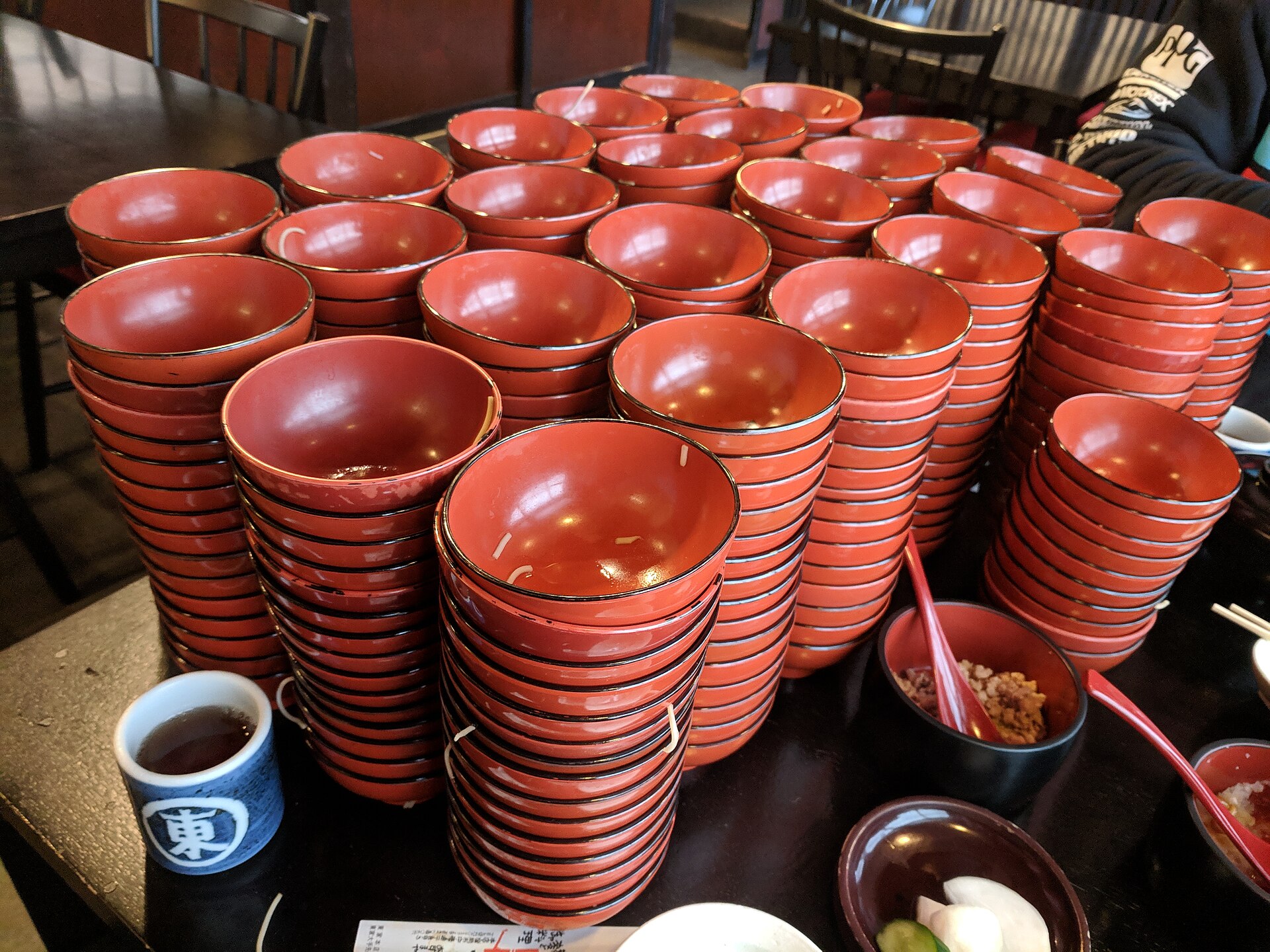
Photo: Koltonsmith / Wikimedia Commons (CC BY-SA 4.0) · original
Wanko Soba is Morioka's most theatrical dining experience — an all-you-can-eat soba challenge where servers rapidly refill your bowl with small portions (a single mouthful per bowl) while chanting encouragement in Nanbu dialect. The ritual originated as a method to serve guests at banquets without letting noodles grow soggy — each serving is eaten immediately before the next arrives. Diners sit at a counter with an empty lacquer bowl. A server stands beside you with a large container of cooked soba and a wooden paddle. As soon as you swallow your portion, the server scoops another helping into your bowl and chants traditional phrases ('Hai, janjan!' or 'Hai, dokkoi!'). The rhythm accelerates as you eat faster. The challenge continues until you place your lid over the bowl to signal surrender. Most people eat 40–60 bowls (equivalent to 3–4 regular soba servings). The record at some restaurants exceeds 500 bowls. The experience is competitive and entertaining, often done in groups. Side dishes (tempura, pickles, grated yam) are provided to vary the flavor between bowls.
The tradition is tied to Morioka's identity as much as any building in the city — locals bring visiting relatives here the way another city might take them to a famous view, and the competitive framing (bowl counts, certificates, occasional tournaments) gives what could be a simple meal the feel of an event. Groups tend to get louder and more collaborative as the bowls pile up, with friends heckling each other to keep going long after anyone is actually hungry, and the servers' chanting rhythm is itself part of the performance — pause too long and they'll slow down to match you, keep swallowing and they'll speed up to test you. First-timers often underestimate how filling the format is: each bowl is a single bite, but dozens of bites add up quickly, and the fun is as much in the theater of refusal — finally managing to slide the lid over the bowl — as in the eating itself.
基本信息
营业时间
Typically 11:00 AM – 8:00 PM; Azumaya 11:00 AM – 8:00 PM (last entry 7:00 PM); check individual restaurants
公休: Azumaya closed irregularly; Hatsukoian open daily; reservations strongly recommended
门票
All-you-can-eat wanko soba ¥3,900–6,000 per person, varies by restaurant (includes unlimited bowls and side dishes)
最佳季节
Year-round; a convivial group experience especially popular during autumn and winter visits to Morioka
建议停留
60–90 minutes for the full wanko soba challenge including chanting and certificate
如何前往
交通信息
详细交通与时段
最近车站
Morioka Station (JR Tohoku Shinkansen / IGR Iwate Galaxy Railway)
交通时间
Tohoku Shinkansen from Tokyo to Morioka approximately 2 hours 10 minutes; Azumaya is a 5-minute walk from Morioka Station
前往方式
Tohoku Shinkansen to Morioka Station; walk or take city bus to restaurant district
最佳游览时段
Lunch (11:30–13:00) or early dinner (17:30–18:30) for the liveliest atmosphere; reservations recommended for groups of 4 or more
避开人潮的诀窍
Peak lunch hours (12:00–13:00) see queues at popular spots; reservations eliminate the wait and are straightforward to make
停车信息
Paid parking garages near Morioka Station (¥200–300/hour); walking or transit from the station is easiest
独家私藏情报
邻近景点
距离Wanko Soba最近的私藏景点,按直线距离排序。
 Satoshi KINOKUNI / CC BY 2.0
Morioka Reimen
Well knownMorioka Reimen is one of Morioka's 'Three Great Noodles' — cold buckwheat noodles in icy beef broth, topped with kimchi,…
Zaimokucho Yoichi
Little knownEvery Saturday afternoon from early April to late November, four hundred metres of Zaimokucho — a shopping street in cen…
 Yasu (talk) / CC BY-SA 3.0
Fukuda Pan
Little knownFukuda Pan has been making koppepan — a soft split bread roll — since 1948, originally supplying school lunches, and it…
Pairon
Little knownJajamen is one of the three noodle dishes Morioka is known for and it is the strangest. Flat warm noodles arrive with a…
 Tomofumi Sato / CC BY-SA 3.0
Morioka Castle Ruins
Little knownMorioka Castle (盛岡城跡公園, now Iwate Park) was built in the early 17th century by the Nanbu clan, who ruled the Morioka Dom…
 Cygnus_morioka / CC BY 4.0
Morioka Sansa Odori
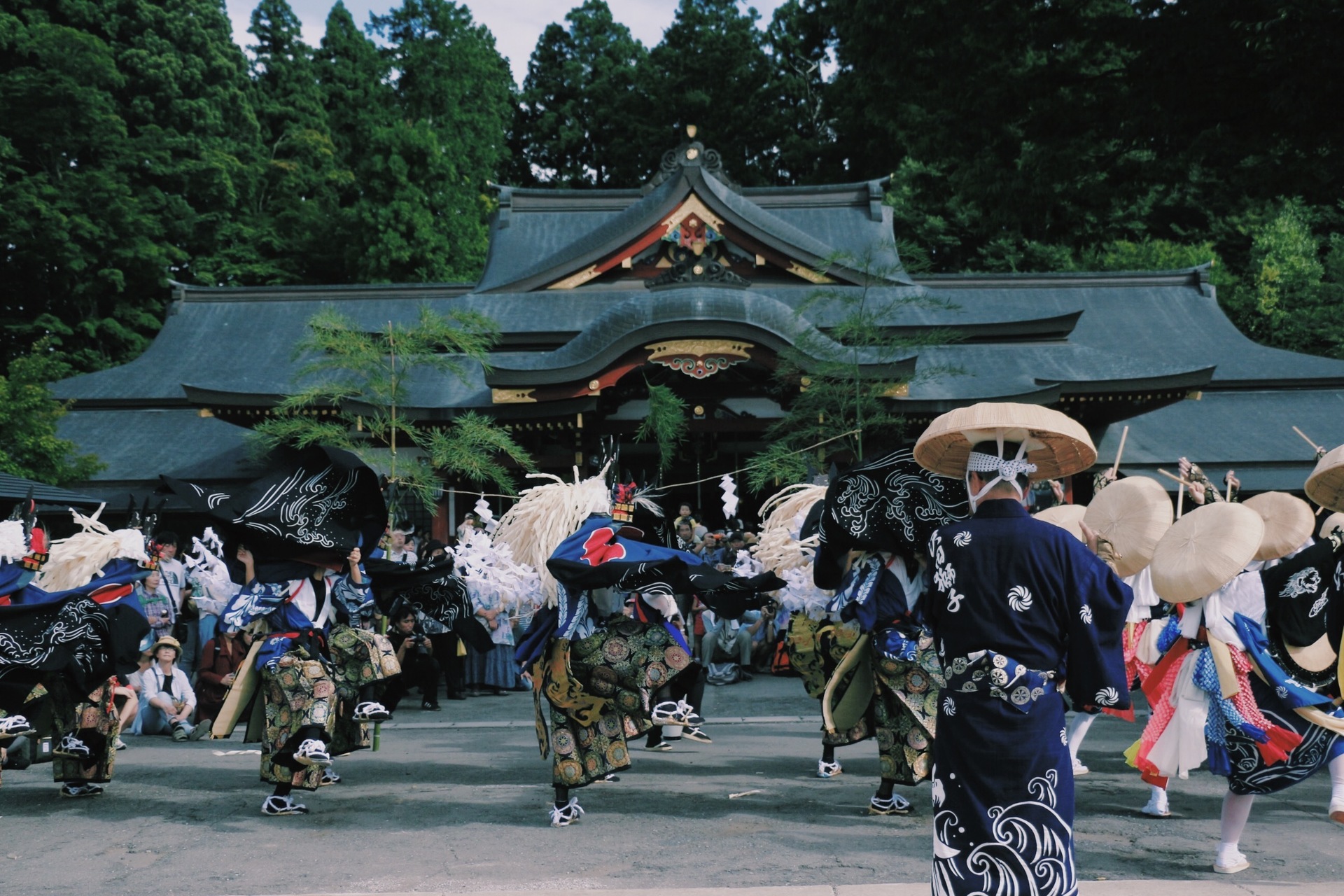
Little knownMorioka Sansa Odori is one of Tohoku's greatest summer festivals, held August 1–4 annually. The festival features mass t…
更多岩手县的景点
 示意插图(非实景照片)
Ichinoseki Mochi Culture
Little knownIchinoseki has Japan's richest mochi (rice cake) culinary tradition, with over 300 documented mochi dishes developed ove…
Nambu Tekki
Little knownNambu Tekki (南部鉄器) is traditional iron casting craft originating in Morioka during the 17th century, producing iron teap…
 karinckarinc / CC BY 2.0
Kamaishi Daikannon
Little knownKamaishi Daikannon is a 48.5-meter tall statue of Kannon (Buddhist goddess of mercy) standing on a peninsula overlooking…