
本頁尚未翻譯,暫以英文顯示。
Himeyuri Peace Museum
調查與撰寫 Hinato

Photo: 663highland / Wikimedia Commons (CC BY 2.5) · original
The museum entrance sits 100 meters from the Ihara No. 3 Cave mouth where 46 students and five teachers died in the final hours of organized resistance. You'll walk past their names engraved in black marble before entering a building that refuses to soften what happened here. The 240 members of the Himeyuri Student Corps were 15 to 19 years old when the Imperial Army mobilized them as battlefield nurses in March 1945. They worked 23-day shifts in limestone caves converted to surgical units, amputating limbs without anesthesia, disposing of bodies in the dark, and treating gangrene with seawater because medical supplies ran out in April.
The diaries they kept—many continued writing until the day they died—document the cognitive dissonance of teenage girls applying tourniquets to soldiers missing entire limbs while trying to remember geometry homework. On June 18, 1945, the Army dissolved the corps and ordered them to evacuate, which meant crawling through American artillery fire to reach.. Nowhere in particular. Most died within three days. The museum displays 87 individual student profiles: school photo, diary excerpt, death location, age. You'll read entries like Miyara Nobuko's June 17 note about sharing her last rice ball with a dying soldier, written 16 hours before she was killed by a mortar shell 400 meters from this cave.
基本資訊
營業時間
9:00 AM – 5:25 PM (last entry 5:00 PM, year-round)
公休: No regular closures (open daily including holidays)
門票
¥450 adults | Audio guide: ¥400 extra (English available)
最佳季節
Year-round | June 23 (Okinawa Memorial Day) has special significance but crowded ceremonies
建議停留
60-90 minutes
如何前往
交通資訊
詳細交通與時段
最近車站
No direct train. Itoman Bus Terminal — 5 min taxi | Naha Airport — 30 min by car
交通時間
From Naha Airport: 30 min by rental car (Route 331 south) | From Naha Bus Terminal: 40 min by bus + 5 min taxi
前往方式
Car/Taxi: 30 min from Naha Airport via Route 331 south through Itoman (most convenient). Recommended. Bus: From Naha Bus Terminal, Route 89 to Himeyuri Heiwa-kinenkan stop (~40 min, ¥730). Check timetable — buses infrequent. Tour: Most southern Okinawa battlefield tours include Himeyuri (¥4,000-6,000 from Naha, English guide available).
最佳造訪時段
Weekday mornings (9:00-10:30 AM) before school group visits. The museum demands quiet reflection — arrive early for solitude.
避開人潮的訣竅
June 23 (Okinawa Memorial Day) draws large local crowds for ceremonies — avoid if seeking quiet. School groups arrive on weekday mornings. Surprisingly uncrowded compared to other major sites.
停車資訊
Free parking available (large lot at museum). Car rental from Naha strongly recommended — bus service is infrequent.
在地私房情報
鄰近景點
距離Himeyuri Peace Museum最近的私房景點,依直線距離排序。
 示意插圖(非實景照片)
Former Japanese Navy Underground Headquarters
Little knownIn 1944 the Imperial Navy dug a command post into a hill in what is now Tomigusuku, using picks and hoes: about four hun…
Sefa-utaki
Well knownSefa-utaki was the most important sacred site in the Ryukyu kingdom. The kingdom's religion was administered by women —…
 xiquinhosilva / CC BY 2.0
Tamaudun Mausoleum
Well knownTamaudun (玉陵) is the mausoleum of the Ryukyu Kingdom's royal family (Sho Dynasty), built in 1501 and containing the rema…
Kinjocho Stone Path
Locally knownThe Madama-michi was the road the Ryukyu kings took south out of Shuri Castle, laid in the early sixteenth century with…
 663highland / CC BY 2.5
Shuri Castle
FamousShuri Castle was the royal palace of the Ryukyu Kingdom (1429–1879), a sophisticated maritime trading nation that mainta…
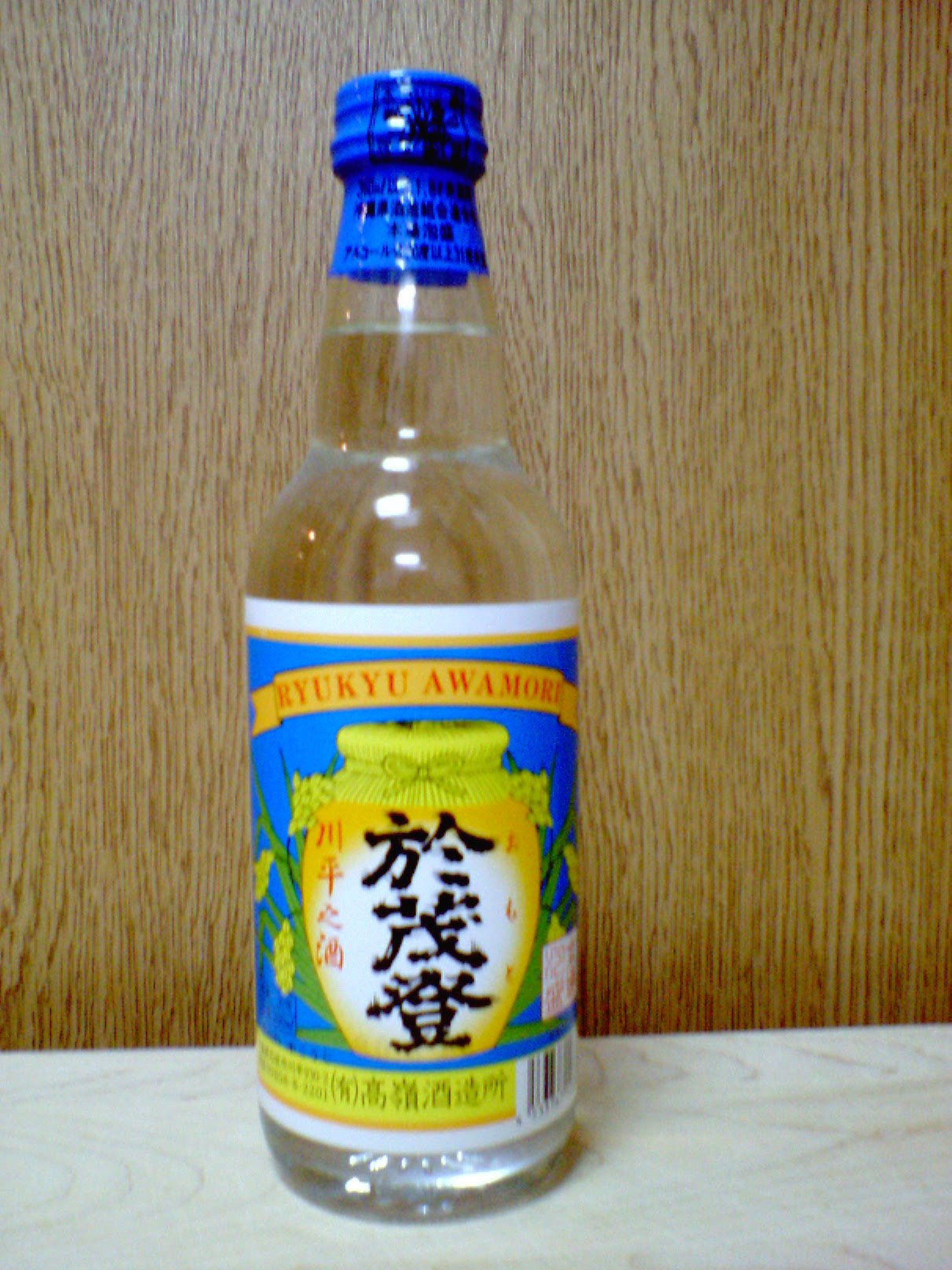 ayustety from Tokyo, Japan / CC BY-SA 2.0
Awamori Distillery Tour
Locally knownAwamori (泡盛) is Okinawa's indigenous distilled spirit (25–43% alcohol), predating Japanese shochu by 500 years. It's dis…
更多沖繩縣的景點
 Kugel~commonswiki / CC BY-SA 4.0
Kafu Banta
Little knownKafu means good fortune and banta means cliff, so the name is the cliff of happiness — a viewing point about seventy met…
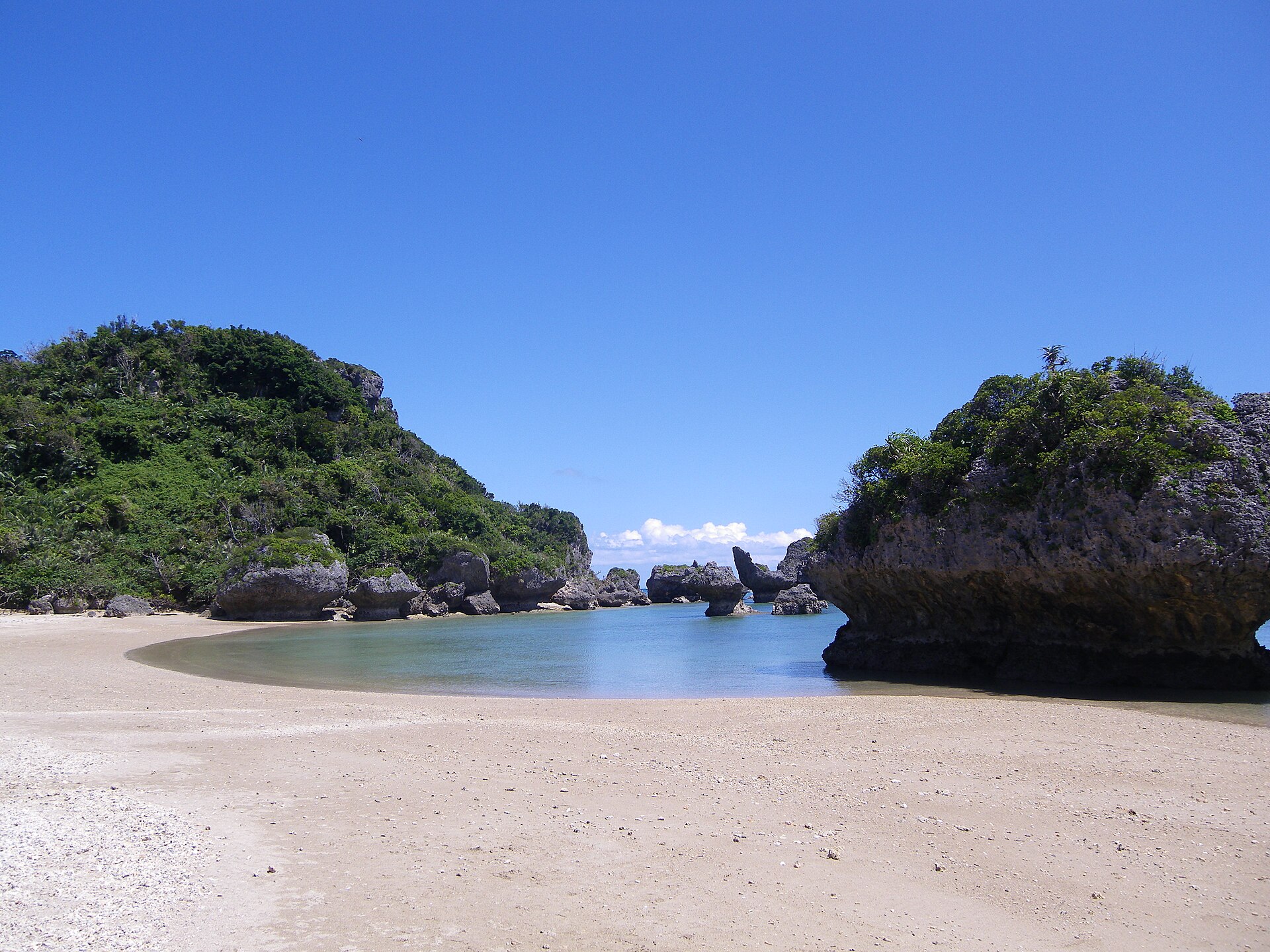 Kugel~commonswiki / CC BY-SA 4.0
Hamahiga Island
Little knownHamahiga is a small island off the Katsuren peninsula, reachable by road over the Kaichu Doro causeway, and it holds two…
Fujiya
Locally knownOkinawan zenzai is not the hot red bean soup served everywhere else in Japan under the same name. It is cold: sweetened…