
本頁尚未翻譯,暫以英文顯示。
Tamaudun Mausoleum
調查與撰寫 Hinato

Photo: xiquinhosilva / Wikimedia Commons (CC BY 2.0) · original
Tamaudun (玉陵) is the mausoleum of the Ryukyu Kingdom's royal family (Sho Dynasty), built in 1501 and containing the remains of all Ryukyu kings from 1477 to 1879. The structure is distinctive Okinawan tomb architecture — massive stone-walled chambers built into a hillside, with Chinese-influenced decorative elements (guardian lions, curved rooflines) combined with indigenous Ryukyuan motifs.
The mausoleum consists of three chambers: east chamber for kings' remains, west chamber for queens, and central chamber for temporary storage before purification (bones were washed after decomposition, then moved to final chamber — a traditional Ryukyuan funeral practice called senkotsu).
基本資訊
營業時間
9:00 AM – 6:00 PM (last entry 5:30 PM, year-round)
公休: Open year-round
門票
¥300 adults | Combined ticket with Shuri Castle: ¥600 | English signage available
最佳季節
Year-round | Morning for quiet, uncrowded atmosphere before Shuri Castle tour groups arrive
建議停留
30–45 minutes
如何前往
交通資訊
在地私房情報
鄰近景點
距離Tamaudun Mausoleum最近的私房景點,依直線距離排序。
 663highland / CC BY 2.5
Shuri Castle
FamousShuri Castle was the royal palace of the Ryukyu Kingdom (1429–1879), a sophisticated maritime trading nation that mainta…
Kinjocho Stone Path
Locally knownThe Madama-michi was the road the Ryukyu kings took south out of Shuri Castle, laid in the early sixteenth century with…
 ayustety from Tokyo, Japan / CC BY-SA 2.0
Awamori Distillery Tour
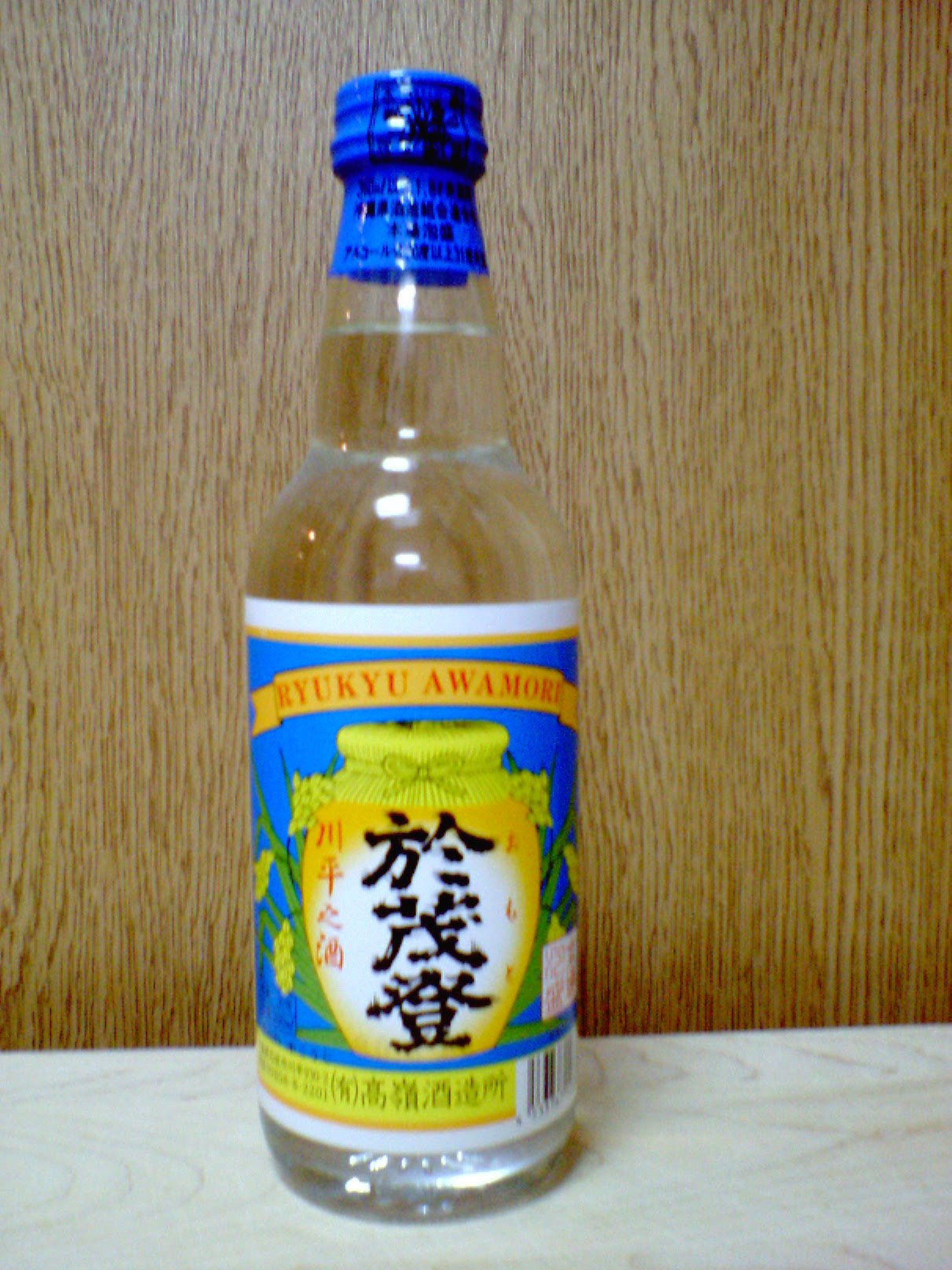
Locally knownAwamori (泡盛) is Okinawa's indigenous distilled spirit (25–43% alcohol), predating Japanese shochu by 500 years. It's dis…
Tsuboya Yachimun Street
Locally knownIn 1682 the Ryukyu kingdom consolidated its scattered kilns into one district in Naha, and Tsuboya has been making potte…
 TurnOnTheNight / CC BY-SA 4.0
Kokusai Dori
Locally knownKokusai Dori (国際通り, 'International Street') is Naha's 1.6km main shopping and entertainment strip, running from Palette…
Daiichi Makishi Public Market
Locally knownThe market grew out of a black market in the rubble after 1945 and became the food hall of Naha — the ground floor is fi…
更多沖繩縣的景點
 示意插圖(非實景照片)
Kabira Bay
Well knownKabira Bay (川平湾) is Ishigaki Island's most iconic scenic spot — a shallow turquoise bay dotted with forested islets, whe…
 663highland / CC BY 2.5
Yonaha Maehama Beach
Little knownYonaha Maehama Beach stretches 7 kilometers along Miyakojima's southwest coast — consistently ranked among Japan's top 3…
 示意插圖(非實景照片)
Okinawa Soba
Locally knownOkinawa soba (沖縄そば) is the prefecture's soul food — thick wheat noodles in pork bone broth, topped with slow-braised por…