
本頁尚未翻譯,暫以英文顯示。
Nara Sumi Ink & Fude Brushes
調查與撰寫 Hinato
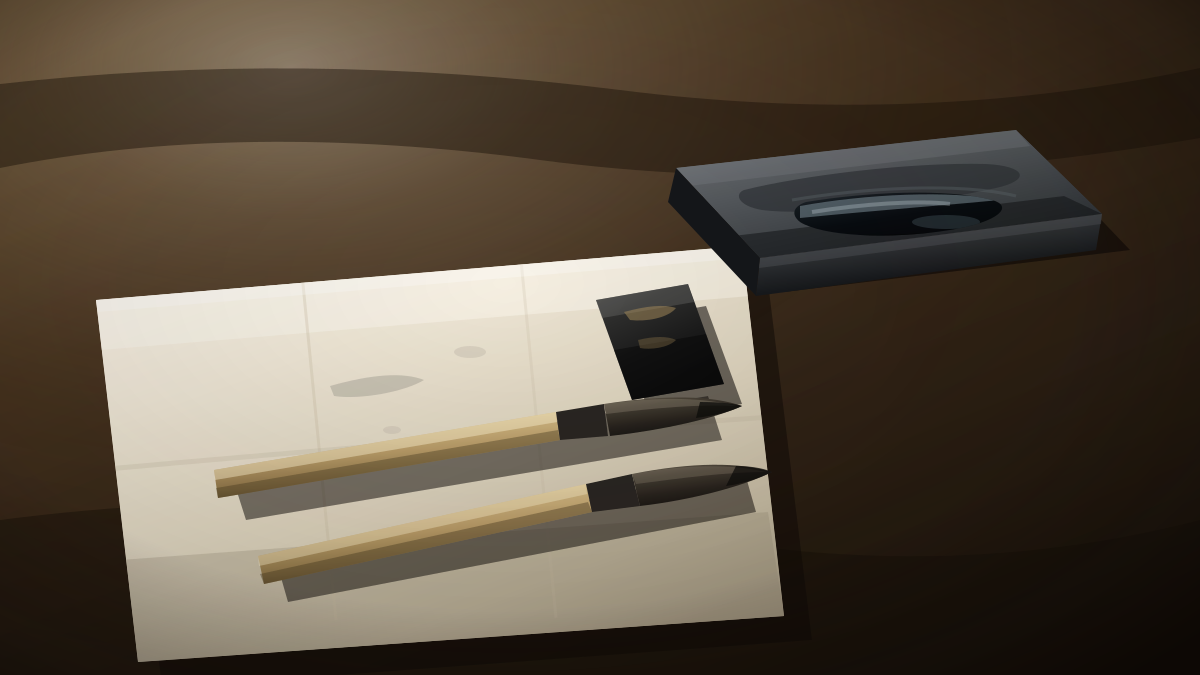
Nara produces 90% of Japan's traditional sumi ink (墨, solid ink sticks) and is a major center for fude (筆, calligraphy brushes) — both crafts essential to Japanese calligraphy (shodo, 書道) and sumi-e ink painting. Sumi ink is made from pine soot or vegetable oil soot mixed with animal glue (nikawa) and hardened into sticks that are ground on an inkstone with water before use. The highest-grade ink uses century-old pine soot and aged glue, resulting in deep, lustrous black when diluted.
Nara's ink-making tradition dates to the 6th century when monks brought the craft from China. Top-grade ink sticks cost ¥10,000–100,000 depending on soot source and age. Fude brushes use animal hair (horse, goat, weasel, raccoon) bundled by hand into bamboo handles. Akashiya (明昌) is Nara's premier brush maker, with brushes ranging from ¥1,000 student models to ¥50,000 professional brushes made from rare hair types.
基本資訊
營業時間
Nara Sumi-no-Yakata museum: 9:00 AM – 5:00 PM
公休: Varies by shop; most close 1–2 days per week
門票
Nara Sumi-no-Yakata museum: free | Shop browsing: free | Ink-making demonstration at Kobaien: free (reservation required)
最佳季節
Year-round (indoor shopping and museums)
建議停留
1–2 hours (Kobaien + Akashiya + museum)
如何前往
交通資訊
在地私房情報
鄰近景點
距離Nara Sumi Ink & Fude Brushes最近的私房景點,依直線距離排序。
 Kyu3a / CC BY-SA 4.0
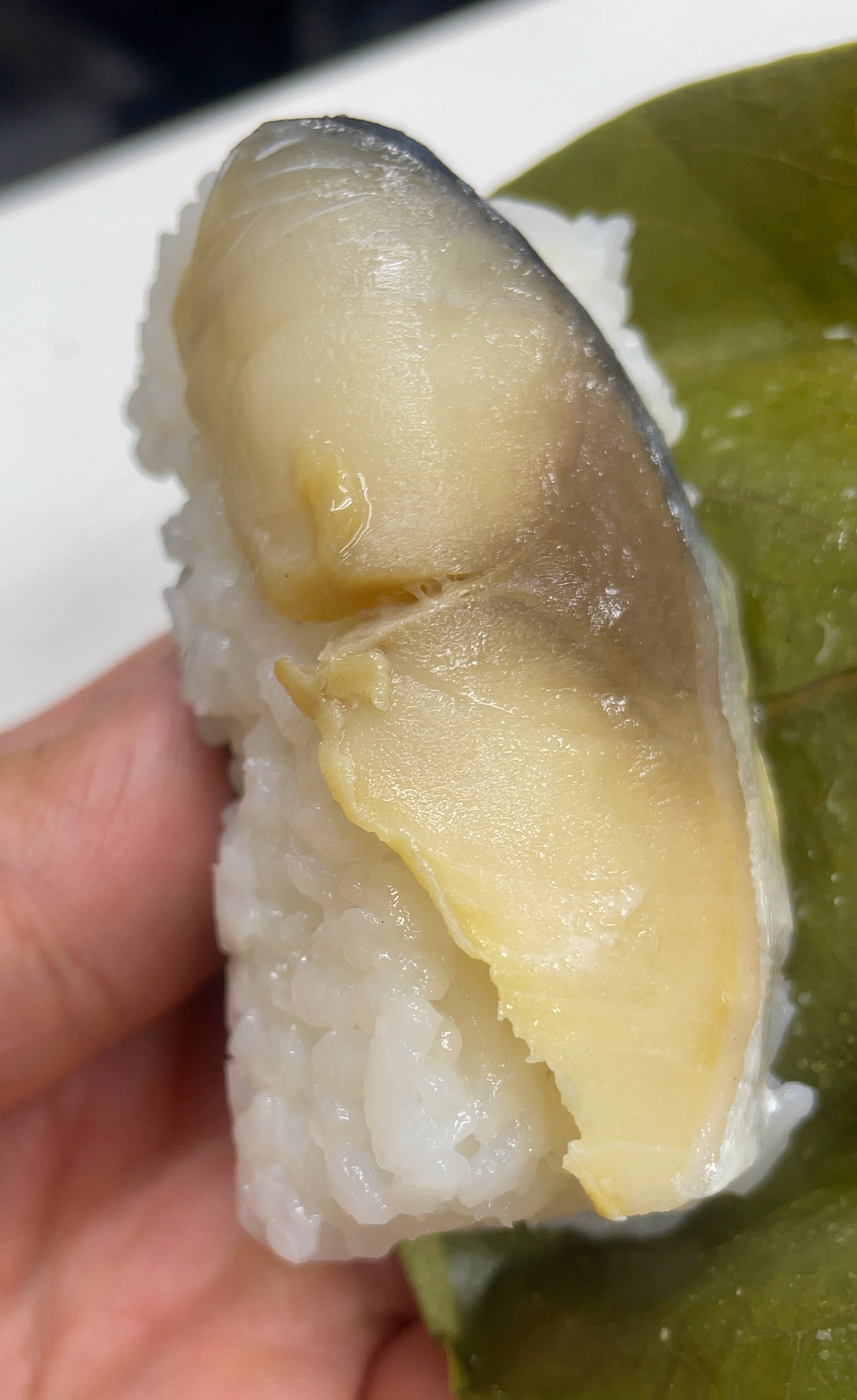
Kakinoha-zushi
Locally knownKakinoha-zushi (柿の葉寿司) is Nara's signature pressed sushi: vinegared rice topped with mackerel, salmon, or sea bream, wra…
 daniel julià lundgren from barcelona, catalonia / CC BY-SA 2.0
Narazuke Pickles
Locally knownNarazuke (奈良漬) are vegetables pickled in sake kasu (酒粕, sake lees — the fermented rice solids left after sake brewing),…
Nara Sake
Locally knownNara is the birthplace of sake brewing's key innovations — monks at Shoryakuji Temple (菩提山正暦寺) invented the bodaimoto me…
 示意插圖(非實景照片)
Day Trip to Nara
Locally knownNara, Japan's capital from 710–794 CE, is from Osaka by train and offers one of Japan's best day trips. The city's main…
 Roman SUZUKI / CC BY 3.0
Heijo Palace Site
Well knownHeijo Palace (平城宮跡, Heijo-kyo) was the imperial palace during Nara's time as Japan's capital (710–784 AD), occupying 120…
 663highland / CC BY 2.5
Toshodaiji Temple
Well knownWhen the Chinese monk Jianzhen finally reached Japan in 754 AD after five shipwrecks, pirate attacks, and twelve years a…
更多奈良縣的景點
 示意插圖(非實景照片)
Nara Park Maple Viewing
FamousNara Park transforms in autumn (mid-November to early December) when 2,000+ maple, ginkgo, and cherry trees turn vibrant…
 Naokijp / CC BY-SA 4.0
Yoshino Mikumari Shrine
Well knownYoshino Mikumari Shrine (吉野水分神社) is a Shinto shrine dedicated to Mikumari-no-Kami (水分神), the deity of water distribution…
 Andrew Currie / CC BY-SA 3.0
Nara Park
FamousNara Park (奈良公園) is a 660-hectare park where over 1,200 wild sika deer roam freely among visitors, temples, and open mea…