
Chusonji Konjikido
Investigado y escrito por Hinato

El Konjikido de Chusonji es un pabellón de 1124 cubierto por completo en pan de oro, con incrustaciones de nácar, lapislázuli y ébano. Es Patrimonio de la Humanidad y alberga los restos momificados de tres generaciones de señores Fujiwara. El recinto incluye más de 20 edificios entre cedros centenarios.
Información esencial
Horario
8:30 AM – 5:00 PM (November–February 8:30 AM – 4:30 PM)
Cerrado: Open year-round
Entrada
¥800 (includes Konjikido and grounds); combined ticket with Motsuji ¥1,100
Mejor temporada
Late October to early November for autumn foliage along the cedar approach; early morning in any season for mist and solitude
Duración de la visita
1–1,5 horas
Cómo llegar
Información de acceso
Acceso detallado y horarios
Estación más cercana
Hiraizumi Station (JR Tohoku Main Line)
Tiempo de viaje
Tohoku Shinkansen from Tokyo to Ichinoseki (approximately 2 hours 15 minutes), then local train to Hiraizumi (10 minutes); 15-minute walk from Hiraizumi Station
Cómo llegar
JR Tohoku Shinkansen to Ichinoseki, then JR Tohoku Main Line to Hiraizumi; local bus (¥160) or bicycle rental at station
Mejor momento para visitar
Opening time (8:30) for mist on the cedar approach and quieter grounds; avoid Golden Week and autumn foliage peak weekends
Consejos para evitar multitudes
Tour groups arrive mid-morning; aim to be at Konjikido before 10:00 for the most peaceful experience
Información de aparcamiento
Paid parking near Hiraizumi Station area (¥300–500); bicycle rental at station (¥500/day) recommended for visiting multiple UNESCO sites
Guía privilegiada
Reserva alojamiento cercano
Encuentra alojamiento cerca de Chusonji Konjikido en estas plataformas de confianza:
Lugares cercanos
Los lugares secretos más cercanos a Chusonji Konjikido, por distancia en línea recta.
 Renate Hano / CC BY-SA 4.0
Motsuji Temple Garden
Well knownMotsuji Temple was once larger than Chusonji, containing 40 temple buildings and 500 monks' quarters during the Northern…
 663highland / CC BY-SA 4.0
Takkoku no Iwaya Bishamon-do
Well knownTakkoku no Iwaya Bishamon-do is a Buddhist temple built into a cliff cave, dramatically perched on a rock face 15 meters…
 ブルーノ・プラス / CC BY 4.0
Geibikei Gorge
Well knownGeibikei Gorge is a narrow limestone gorge carved by the Satetsu River, famous for traditional flat-bottomed boat rides…
 663highland / CC BY-SA 4.0
Genbikei Gorge
Little knownGenbikei Gorge is a 2km rocky gorge carved by the Iwai River, featuring dramatic boulder formations, rapids, and the fam…
 Ilustración: no es una fotografía
Ichinoseki Mochi Culture
Little knownIchinoseki has Japan's richest mochi (rice cake) culinary tradition, with over 300 documented mochi dishes developed ove…
Michinoku Ajisai-en
Little knownA forestry family in the hills outside Ichinoseki planted hydrangeas among their cedar plantation, and kept planting. Th…
Más en Prefectura de Iwate
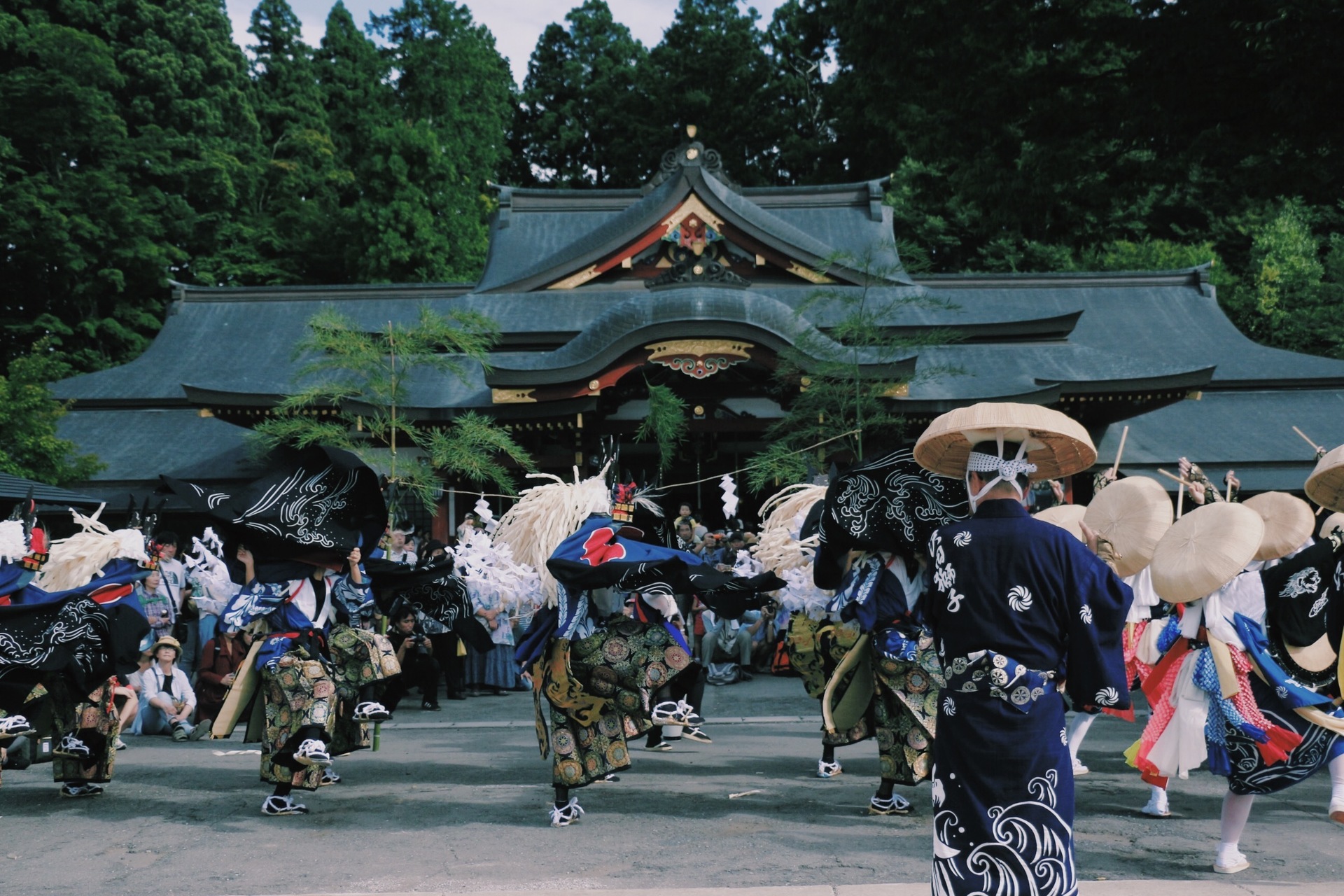 Cygnus_morioka / CC BY 4.0
Morioka Sansa Odori
Little knownMorioka Sansa Odori is one of Tohoku's greatest summer festivals, held August 1–4 annually. The festival features mass t…
Sanriku Coast
Little knownThe Sanriku Coast is a 250km stretch of dramatic Pacific coastline running through Iwate Prefecture, characterized by st…
 Ilustración: no es una fotografía
Ryusendo Cave
Locally knownRyusendo Cave is one of Japan's three largest limestone caves, famous for its underground lakes of exceptional clarity a…