
Dogo Onsen
Datos verificados: agosto de 2026 · Fuentes: dogo.jp, ja.wikipedia.org
Investigado y escrito por Hinato

Photo: lienyuan lee / Wikimedia Commons (CC BY 3.0) · original
Dogo Onsen Honkan es la casa de baños más antigua de Japón, con una historia documentada de más de 3 000 años. Su edificio principal de madera de tres plantas, construido en 1894, fue la inspiración para la casa de baños de la película El viaje de Chihiro de Hayao Miyazaki. Dentro, las salas de baño de piedra y la decoración de época crean una atmósfera que transporta a otra era.
El ritual consiste en bañarse, ponerse un yukata proporcionado por el establecimiento y descansar en una sala de tatami tomando té y dulces mientras se contempla el jardín. Es la experiencia termal japonesa en su forma más pura y accesible. La ciudad de Matsuyama, que la rodea, conserva un castillo original en lo alto de una colina.
Our angle on Dogo Onsen
Nobody else is going here
Everyone within a mile of Dogo Onsen is going to Dogo Onsen. Here are 4 places within walking or one bus ride of it that almost nobody writes about — straight-line distances from our own catalogue, not travel times.
- Ishite-ji TempleLocally known~1.8 km away · Ehime
Ishite-ji is Temple #51 of the 88-temple Shikoku Pilgrimage, a large Buddhist complex featuring a towering three-story p…
- Matsuyama CastleLittle known~2.0 km away · Ehime
Matsuyama Castle occupies the 132-meter summit of Mt. Katsuyama in central Matsuyama City, one of only twelve Japanese c…
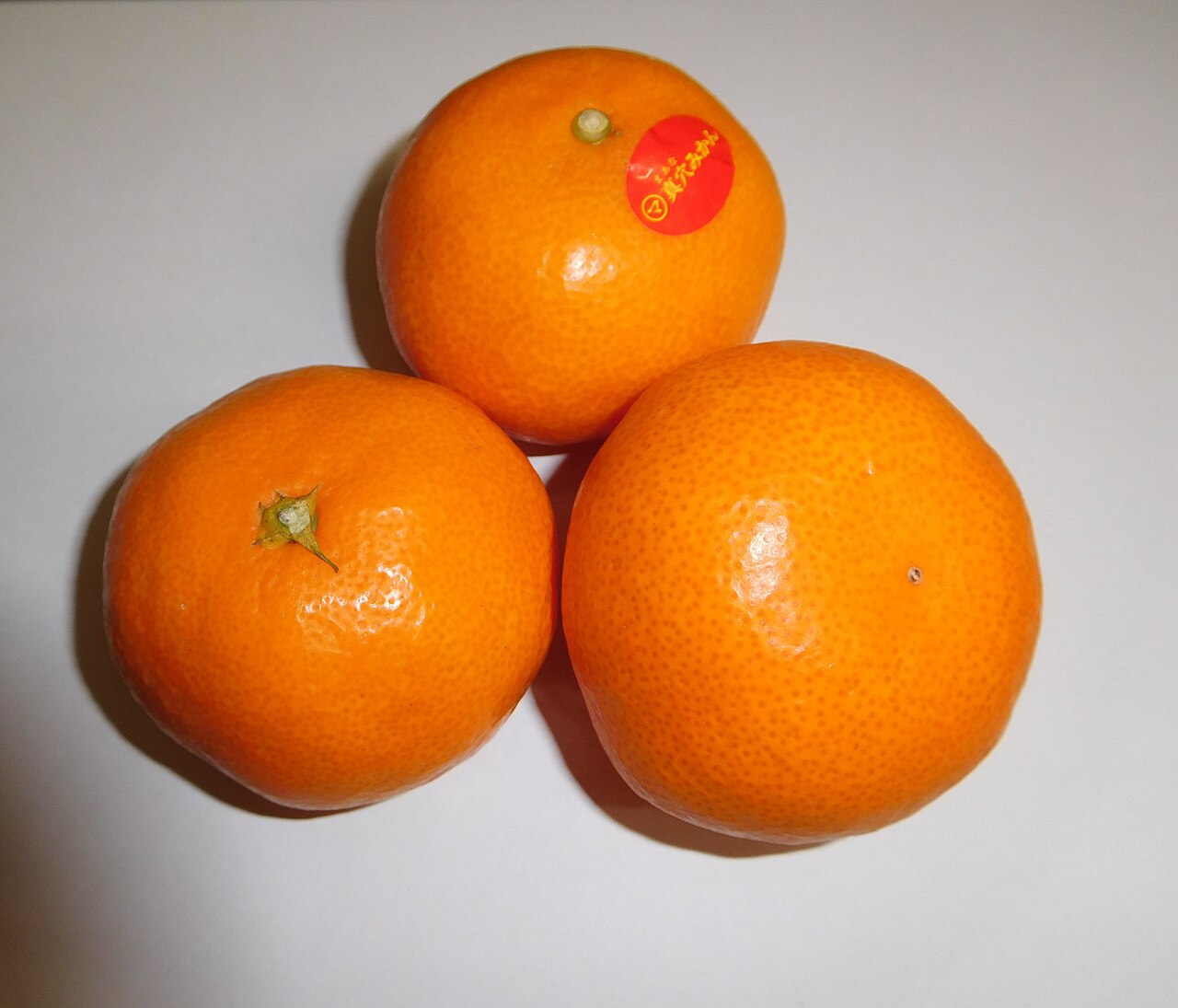
- Ehime MikanLocally known~2.3 km away · Ehime
Ehime Prefecture produces 20% of Japan's mikan (mandarin oranges), making citrus the region's defining agricultural prod…
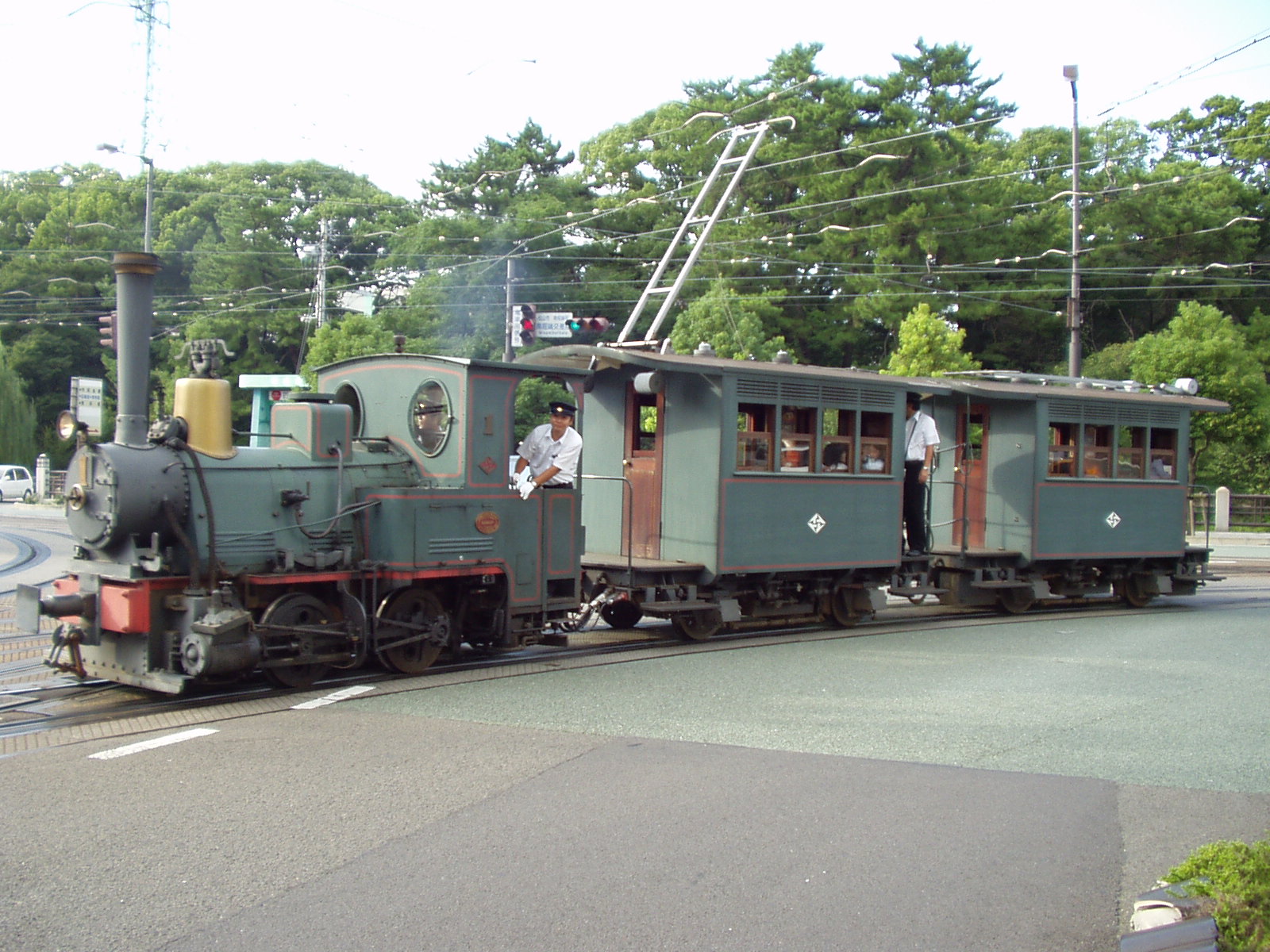
- Botchan ResshaLittle known~2.3 km away · Ehime
The Botchan Ressha is a restored vintage steam locomotive (actually diesel-powered replica) operating as a tourist tram…
Información esencial
Horario
6:00 AM – 11:00 PM (Kami-no-yu ground-floor bath) | 6:00 AM – 10:00 PM (other courses)
Cerrado: Open daily except the annual maintenance closure in late February. Check Dogo Onsen official website for exact closure dates.
Entrada
Desde ¥700 (baño básico) | Con sala de descanso: ¥1 280
Mejor temporada
Todo el año
Duración de la visita
1–2 horas
Cómo llegar
Información de acceso
Tranvía de Matsuyama hasta Dogo Onsen (20 min desde la estación JR). Horario: 06:00–23:00. Entrada básica (Kami no Yu): ¥700. Con sala de descanso y té: ¥1 280.
Acceso detallado y horarios
Estación más cercana
Dogo Onsen Station (Matsuyama City Tram Line 5), 5-minute walk to the bathhouse. Tram from Matsuyama City Station: 20 minutes.
Tiempo de viaje
From Matsuyama Station: tram Line 5 to Dogo Onsen (20 min, ¥180). From Tokyo: fly to Matsuyama Airport (75 min) then airport bus to Matsuyama (15 min) then tram. From Osaka: Shinkansen to Okayama then limited express Shiokaze (2.5 hrs).
Cómo llegar
Matsuyama City Tram Line 5 from Matsuyama City Station or JR Matsuyama Station. Taxi from Matsuyama Station ¥900–1,200. Bus from Matsuyama Airport to city center then tram.
Mejor momento para visitar
6:00–8:00 for the pre-crowd morning experience alongside locals. Or 21:00–22:30 for the quiet late-evening atmosphere when day tourists have departed.
Consejos para evitar multitudes
Weekends and summer holidays (July–August) are the busiest — 30+ minute queues in the afternoon. The premium Yushinden course requires advance purchase and significantly reduces wait time.
Información de aparcamiento
No dedicated parking at the bathhouse. Use Dogo Park nearby parking (¥150/30 min) or walk from tram stop — driving to Dogo Onsen is not recommended due to narrow streets and limited parking.
Guía privilegiada
Beat the crowds: Show up at 6:00 when doors open or after 21:00 before the 23:00 close. Between 11:00–16:00, tour buses dump 200 people at a time into the entrance. Weekend afternoons see 30–45 minute waits just to buy tickets. Locals bathe before work (6:30–8:00) or after dinner (20:00–22:00), treating it like their neighborhood bathhouse because that's what it is.
Premium room worth: The ¥1,650 Yushinden course buys you 60–90 minutes instead of a 20-minute bath-and-go. After soaking, you climb wooden stairs to a second-floor tatami rest room where staff serve matcha tea and sweet bean paste wagashi. Latticed windows overlook the street below. You're wearing the included yukata, sitting on cushions that have cradled thousands of bathers. This room inspired Miyazaki's Spirited Away rest areas where Chihiro serves the river god. Basic entry gives you the bath; premium gives you the full ritual.
Water temperature: The granite tubs hold water at 42–43°C — hotter than most onsen. First-timers wince stepping in. Locals soak 5–10 minutes, exit to a wooden bench, cool down, then return for a second soak. The alkaline minerals coat your skin in a slick film. Don't scrub it off — that's the 'beauty water' effect Dogo claims.
Literary connection: Natsume Soseki set parts of his 1906 novel Botchan in this bathhouse. The third floor preserves the 'Botchan Room' where the author supposedly bathed (visible during premium tours). A mechanical drum on the roof strikes every hour, signaling bath opening times since 1894 — the same drum Soseki heard.
After bathing: Walk Dogo Haikara Street, the covered arcade leading to the bathhouse entrance. Vendors sell fresh-squeezed mikan juice (¥400), Botchan dango (¥350 for tricolor rice dumplings), and tart-ya tarts (¥200 each). Your skin's still warm, you're wearing your clothes over damp skin, and the street smells like grilled mochi and citrus.
Reserva alojamiento cercano
Encuentra alojamiento cerca de Dogo Onsen en estas plataformas de confianza:
Lugares cercanos
Los lugares secretos más cercanos a Dogo Onsen, por distancia en línea recta.
 Maarten Heerlien from Voorschoten, The Netherlands / CC BY 2.0
Ishite-ji Temple
Locally knownIshite-ji is Temple #51 of the 88-temple Shikoku Pilgrimage, a large Buddhist complex featuring a towering three-story p…
 z tanuki / CC BY 3.0
Matsuyama Castle
Little knownMatsuyama Castle occupies the 132-meter summit of Mt. Katsuyama in central Matsuyama City, one of only twelve Japanese c…
 Miyuki Meinaka / CC BY-SA 4.0
Ehime Mikan
Locally knownEhime Prefecture produces 20% of Japan's mikan (mandarin oranges), making citrus the region's defining agricultural prod…
 Daichan / CC BY-SA 3.0
Botchan Ressha
Little knownThe Botchan Ressha is a restored vintage steam locomotive (actually diesel-powered replica) operating as a tourist tram…
 Fred Cherrygarden / CC BY-SA 4.0
Taimeshi
Locally knownTaimeshi (鯛めし, 'sea bream rice') is Ehime's signature dish, existing in two completely different regional styles: Matsuy…
 円周率3パーセント / CC BY-SA 4.0
Jakoten
Locally knownJakoten (じゃこ天) is Ehime's signature fish cake made from small fish (jako — tiny sardines or anchovies) ground whole with…
Más en Prefectura de Ehime
 City Foodsters / CC BY 2.0
Imabari Towels
Little knownImabari produces approximately 60% of Japan's towels, a textile industry dating to 1894 when the region's soft water (fr…
 [email protected]… / CC BY-SA 3.0
Garyu Sanso Villa
Locally knownGaryu Sanso is a refined villa and tea house built in 1907 by a wealthy merchant, perched on a cliff overlooking the Hij…
 Ilustración: no es una fotografía
Mount Ishizuchi
Little knownMount Ishizuchi (石鎚山, 1,982m) is the highest peak in western Japan and one of Japan's seven sacred mountains, a Shugendo…