
Esta página aún no ha sido traducida y se muestra en inglés.
Tobe Pottery
Investigado y escrito por Hinato

Tobe-yaki is Ehime's signature ceramic style, characterized by thick white porcelain hand-painted with indigo-blue botanical designs. The pottery tradition began in 1777 when the local daimyo ordered kilns built in Tobe Town to produce everyday tableware. Today, over 100 pottery workshops and galleries cluster in Tobe, producing everything from traditional bowls to contemporary design pieces.
Visitors can tour workshops, watch artisans painting intricate designs, and participate in pottery-making classes where you hand-paint your own piece (shipped after firing).
Información esencial
Horario
Drop-in painting classes: 9:30 AM – 4:00 PM.
Cerrado: Closed Mondays (or Tuesday if Monday is a public holiday). Closed December 29–January 3.
Entrada
Traditional Industry Hall: ¥300 adults. Pottery painting experience: ¥1,500–3,000 (includes bisque piece, glazing, and firing). Domestic shipping ¥1,500, international ¥3,000+.
Mejor temporada
Year-round. No seasonal crowds — Tobe is a working town rather than a tourist destination.
Duración de la visita
60–90 minutes for hall visit and shopping. Add 60–90 minutes for pottery painting experience. Allow time to walk Tobe's main pottery alley and visit 3–4 studios.
Cómo llegar
Información de acceso
Tobe Town, 15km south of Matsuyama. Bus from Matsuyama Station: 40 min, ¥550. Tobe Pottery Traditional Industry Hall (砥部焼伝統産業会館): exhibition + shop, ¥300 entry, 9:00–17:00. Pottery experience: ¥1,500–3,000, 60–90 min.
Guía privilegiada
Workshop experience: Tobe Pottery Traditional Industry Hall offers drop-in painting classes (9:30–16:00, no reservation needed) where you select a bisque-fired white piece (bowl, plate, cup, etc.), paint it with indigo pigments using provided brushes, and the staff glazes and fires it over the next 2–3 weeks. Domestic shipping ¥1,500, international ¥3,000+. The experience is suitable for all ages and skill levels.
Shopping strategy: Tobe pottery ranges from ¥500 small dishes to ¥50,000+ large display pieces. The Traditional Industry Hall shop sells work from multiple artisans at fixed prices. Individual workshops offer more unique pieces — walk Tobe's main street (pottery alley) and visit 3–4 studios to compare styles and prices. Bargaining is not customary.
Climbing kiln: The Tobe Kiln Museum (砥部焼窯元めぐり) preserves a noborigama (climbing kiln) — a multi-chamber wood-fired kiln built into a hillside where pottery is stacked in successive chambers and fired over 3–5 days. The kiln is no longer used (most artisans use electric or gas kilns) but demonstrates traditional firing techniques.
Pottery patterns: Traditional Tobe designs feature karako (Chinese children), pine trees, bamboo, and plum blossoms (松竹梅, sho-chiku-bai) painted in thick indigo lines. Contemporary artisans produce minimalist blue-and-white designs that appeal to modern aesthetics while maintaining traditional glazing techniques.
Lugares cercanos
Los lugares secretos más cercanos a Tobe Pottery, por distancia en línea recta.
 Maarten Heerlien from Voorschoten, The Netherlands / CC BY 2.0
Ishite-ji Temple
Locally knownIshite-ji is Temple #51 of the 88-temple Shikoku Pilgrimage, a large Buddhist complex featuring a towering three-story p…
Nanrakuen Garden
Locally knownNanrakuen is a traditional Japanese landscape garden built in 1688 for the lord of Matsuyama Domain, featuring seasonal…
 Miyuki Meinaka / CC BY-SA 4.0
Ehime Mikan
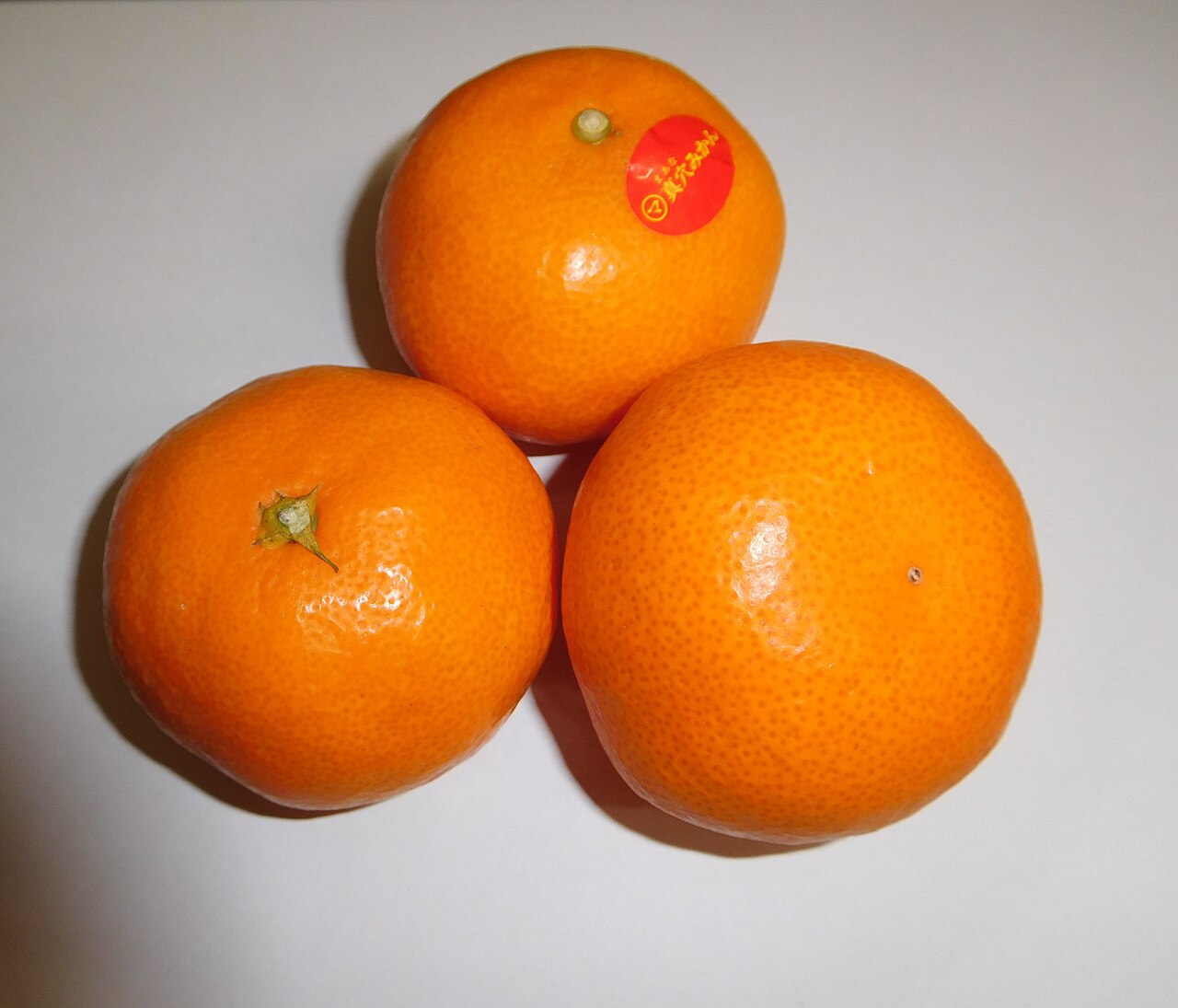
Locally knownEhime Prefecture produces 20% of Japan's mikan (mandarin oranges), making citrus the region's defining agricultural prod…
 Daichan / CC BY-SA 3.0
Botchan Ressha
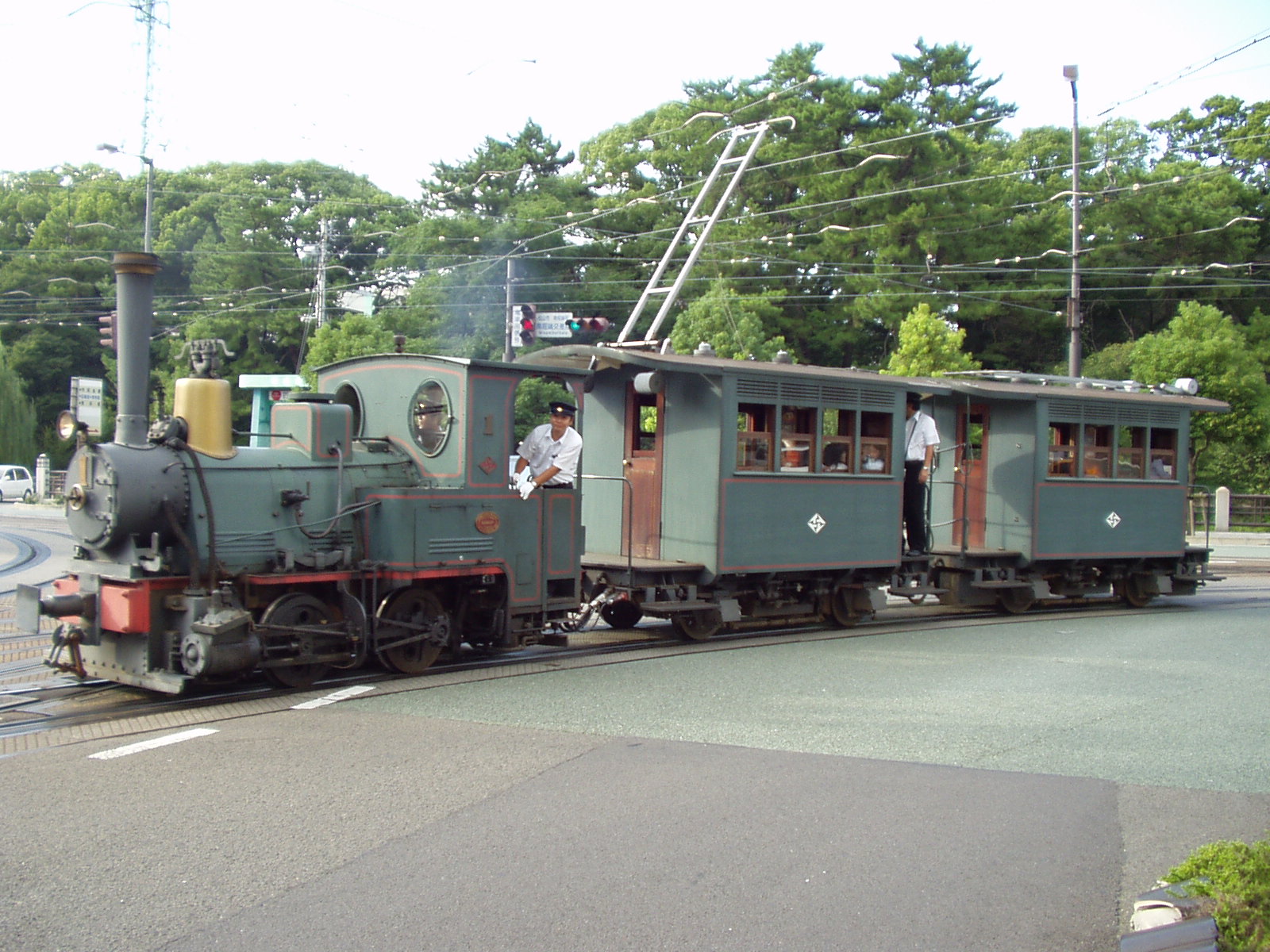
Little knownThe Botchan Ressha is a restored vintage steam locomotive (actually diesel-powered replica) operating as a tourist tram…
 Fred Cherrygarden / CC BY-SA 4.0
Taimeshi
Locally knownTaimeshi (鯛めし, 'sea bream rice') is Ehime's signature dish, existing in two completely different regional styles: Matsuy…
 円周率3パーセント / CC BY-SA 4.0
Jakoten
Locally knownJakoten (じゃこ天) is Ehime's signature fish cake made from small fish (jako — tiny sardines or anchovies) ground whole with…
Más en Prefectura de Ehime
Ozu Castle Town
Little knownOzu is a well-preserved castle town along the Hijikawa River, featuring Edo-period merchant houses, samurai residences,…
 Asturio Cantabrio / CC BY-SA 4.0
Uchiko Town
Little knownUchiko's merchants made fortunes in the 18th and 19th centuries by harvesting waxy berries from haze trees, crushing the…
 そらみみ / CC BY-SA 4.0
Omishima Island
Locally knownOmishima is the largest island on the Shimanami Kaido cycling route, home to Oyamazumi Shrine which houses Japan's most…