
Esta página aún no ha sido traducida y se muestra en inglés.
Gangoji Temple
Investigado y escrito por Hinato

Gangoji (元興寺) is one of Nara's Seven Great Temples and Japan's oldest temple, originally founded in 588 AD in Asuka before relocating to Nara in 718 AD. The temple once covered a massive area (48 hectares, equivalent to today's Naramachi district), but repeated fires reduced it to a fraction of its former size. The surviving Main Hall (Gokurakudo) and Zen Room use roof tiles from the 6th century — these 1,400-year-old tiles are the oldest architectural elements in Japan still in functional use.
The temple is a UNESCO World Heritage site but remains far less visited than Todaiji or Kasuga Taisha due to its location in quiet Naramachi. The garden features a miniature pagoda made entirely from thousands of tiny stone stupas (hoto) collected over centuries — a folk Buddhist practice where devotees dedicate small stone towers to deceased family members. The temple's museum displays excavated roof tiles, Buddhist statues, and historical documents illustrating Gangoji's role in the introduction of Buddhism to Japan. The serene atmosphere provides counterpoint to Nara Park's crowds.
Información esencial
Horario
9:00 AM – 5:00 PM (last entry 4:30 PM)
Cerrado: Open year-round
Entrada
¥500 (Main Hall + garden + museum)
Mejor temporada
Year-round | Spring (early April, cherry blossoms in courtyard garden) | Autumn (November, serene foliage + near-empty grounds)
Duración de la visita
45–60 minutes
Cómo llegar
Información de acceso
Guía privilegiada
Lugares cercanos
Los lugares secretos más cercanos a Gangoji Temple, por distancia en línea recta.
Nara-machi Koshi-no-ie
Locally knownNaramachi Koshi-no-ie (奈良町格子の家) is a preserved Edo Period machiya (merchant townhouse) opened as a free museum showing t…
 Benh LIEU SONG from Torcy, France / CC BY-SA 2.0
Ukimido Pavilion
Well knownUkimido (浮見堂, 'Floating Pavilion') is a hexagonal pavilion built on stilts over Sagi-ike Pond in Nara Park's southern ar…
 helohelon / CC BY-SA 3.0
Kofukuji Temple
Well knownKofukuji (興福寺) is a UNESCO World Heritage temple founded in 669 AD as the clan temple of the powerful Fujiwara family, s…
 くろふね / CC BY 3.0
Nara National Museum
Locally knownNara National Museum (奈良国立博物館) is Japan's premier museum for Buddhist art, housing over 2,000 Buddhist sculptures, paint…
 Ilustración: no es una fotografía
Nara Hotel
Locally knownThe Nara Hotel opened in 1909 when the Meiji government decided Japan needed Western-style luxury hotels to host foreign…
 jetsun / CC BY-SA 3.0
Wakakusayama Hill
Locally knownWakakusayama (若草山, 'Young Grass Mountain') is a 342-meter grassy hill on Nara Park's eastern edge offering panoramic vie…
Más en Prefectura de Nara
 Kochizufan / CC BY-SA 4.0
Naramachi
FamousNaramachi (奈良町) is Nara's preserved merchant quarter with narrow lanes lined with traditional machiya townhouses dating…
 Nankou Oronain (as36… / CC BY-SA 3.0
Mount Yoshino
Well knownYoshino's 30,000 cherry trees bloom in four elevation zones called senbon (千本, 'thousand trees') — Shimo, Naka, Kami, an…
 Kyu3a / CC BY-SA 4.0
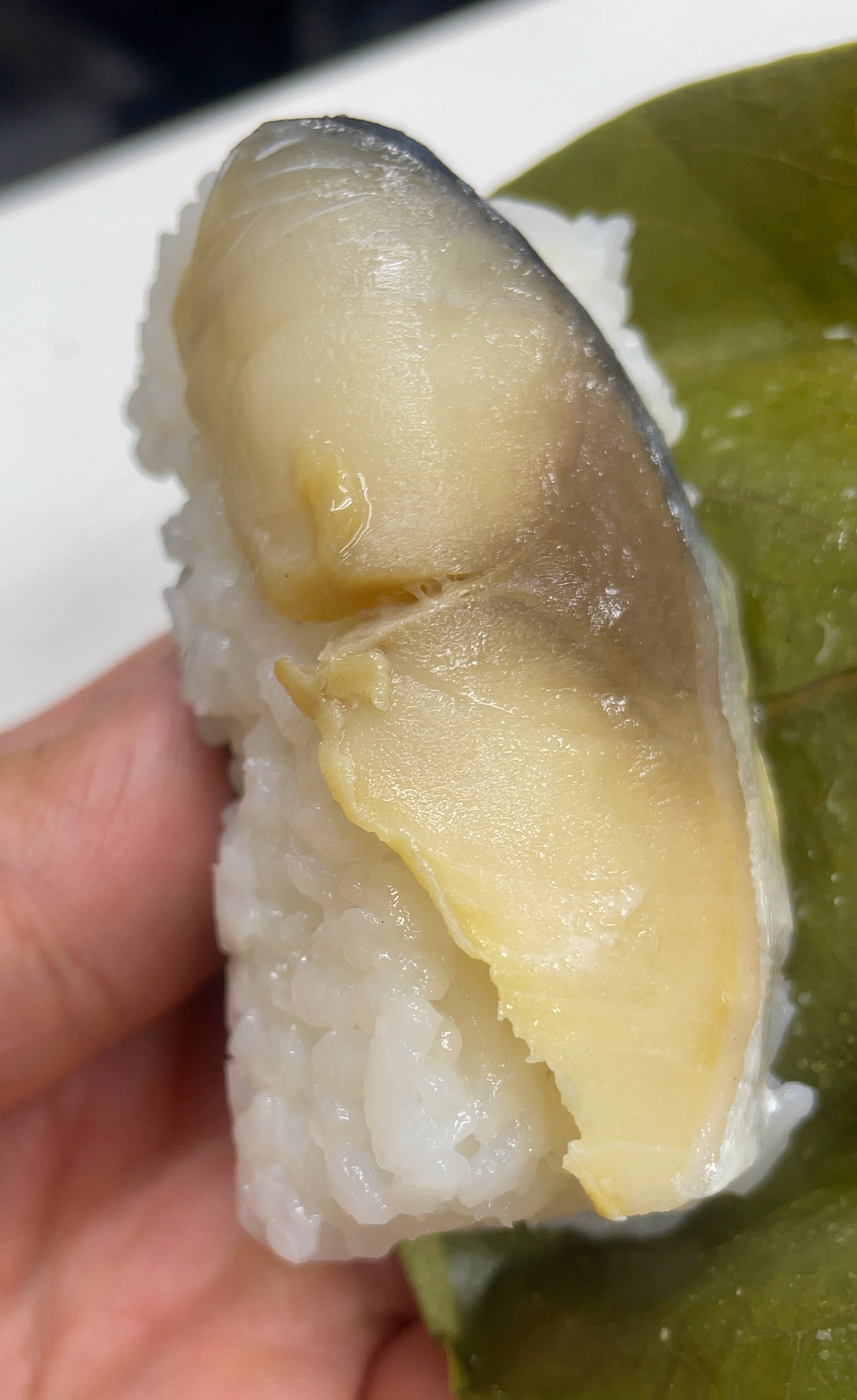
Kakinoha-zushi
Locally knownKakinoha-zushi (柿の葉寿司) is Nara's signature pressed sushi: vinegared rice topped with mackerel, salmon, or sea bream, wra…