
Esta página aún no ha sido traducida y se muestra en inglés.
Isonokami Jingu Shrine
Investigado y escrito por Hinato

Isonokami Jingu (石上神宮) is one of Japan's oldest Shinto shrines, established in the 4th century as a repository for sacred swords and military regalia of the Yamato court. The shrine's deity is Futsunomitama (布都御魂, the kami residing in a legendary sword), and historically the shrine served as an armory for Japan's ancient rulers. The Main Hall houses National Treasure swords including the Shichishito (七支刀, 'Seven-Branched Sword'), a ceremonial blade gifted from Korea in 369 AD.
The shrine is famous for its free-roaming chickens (30+ birds) that wander the grounds — the chickens are considered sacred messengers (tsukai) of the shrine's kami. Visitors can interact with the chickens, which are remarkably tame and photogenic. The shrine's forest setting, ancient cedar trees, and sacred chickens create a mystical, fairy-tale atmosphere. Unlike Nara Park's deer, Isonokami's chickens are a well-kept secret — the shrine receives far fewer tourists despite being easily accessible from Nara City.
Información esencial
Horario
Shrine grounds: sunrise – sunset | Treasure House: typically 9:00 AM – 4:00 PM
Cerrado: Open year-round
Entrada
Shrine grounds: free | Treasure House: ¥500
Mejor temporada
Year-round for sacred chickens | Spring (March–May, early morning for most active chickens + blossoms)
Duración de la visita
45–60 minutes
Cómo llegar
Información de acceso
384 Furu-cho, Tenri City. Access: JR Yamatoji Line to Tenri Station (¥240, from Nara), then bus (¥200, 10 min) or a short walk. Shrine grounds free, open sunrise–sunset. Treasure House: ¥500 (displays replica swords; actual National Treasures not on public view). Allow 45–60 minutes. Chickens roam freely throughout grounds.
Guía privilegiada
Chicken photography: The chickens are habituated to humans and allow close approach (1–2 meters) without fleeing. The rooster is especially photogenic with its long tail feathers and bright plumage. Chickens gather near the worship hall (haiden) and along the approach path. Early morning (8:00–9:00) finds them most active — they roost at night and become lethargic midday heat. The combination of chickens, ancient architecture, and forest creates unique imagery — distinctly Japanese but whimsical. Use a portrait lens (50–85mm) to isolate chickens against blurred background of shrine buildings.
Sacred sword history: The Shichishito sword (National Treasure, 369 AD) has six branches extending from the main blade (plus the main blade = seven) and bears a gold-inlaid inscription in ancient Chinese characters documenting the Korea-Japan diplomatic relationship. The sword is never displayed publicly (considered too sacred and fragile) — the Treasure House shows a detailed replica with translation of the inscription. This artifact documents Japan's early international relations and the role of military power in Shinto worship.
Contrast with Nara Park: Isonokami offers a quieter, less commercialized sacred animal experience compared to Nara Park's deer. There are no vendors, no crowds, and no entrance fees — just chickens roaming ancient shrine grounds. The a detour from Nara City rewards travelers seeking uncrowded cultural sites. Combine with Tenri City's Sankokan Museum (天理参考館, world culture museum with 300,000+ artifacts, ¥500 entry, near Tenri Station) for a half-day itinerary exploring Nara Prefecture beyond the main tourist circuit.
Lugares cercanos
Los lugares secretos más cercanos a Isonokami Jingu Shrine, por distancia en línea recta.
Nara-machi Koshi-no-ie
Locally knownNaramachi Koshi-no-ie (奈良町格子の家) is a preserved Edo Period machiya (merchant townhouse) opened as a free museum showing t…
 Ilustración: no es una fotografía
Gangoji Temple
Well knownGangoji (元興寺) is one of Nara's Seven Great Temples and Japan's oldest temple, originally founded in 588 AD in Asuka befo…
 Benh LIEU SONG from Torcy, France / CC BY-SA 2.0
Ukimido Pavilion
Well knownUkimido (浮見堂, 'Floating Pavilion') is a hexagonal pavilion built on stilts over Sagi-ike Pond in Nara Park's southern ar…
 Ilustración: no es una fotografía
Nara Hotel
Locally knownThe Nara Hotel opened in 1909 when the Meiji government decided Japan needed Western-style luxury hotels to host foreign…
 helohelon / CC BY-SA 3.0
Kofukuji Temple
Well knownKofukuji (興福寺) is a UNESCO World Heritage temple founded in 669 AD as the clan temple of the powerful Fujiwara family, s…
 くろふね / CC BY 3.0
Nara National Museum
Locally knownNara National Museum (奈良国立博物館) is Japan's premier museum for Buddhist art, housing over 2,000 Buddhist sculptures, paint…
Más en Prefectura de Nara
 Kyu3a / CC BY-SA 4.0
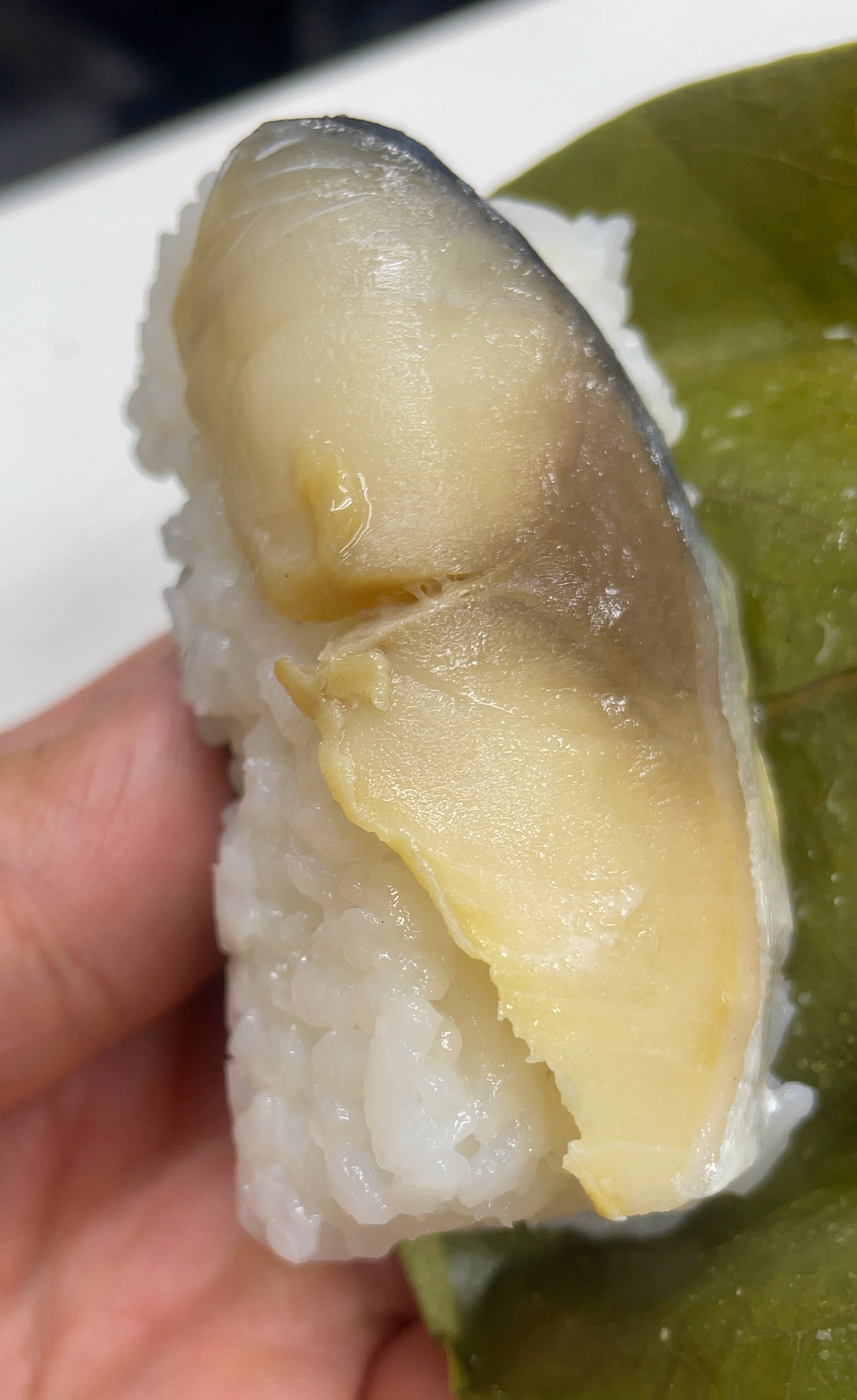
Kakinoha-zushi
Locally knownKakinoha-zushi (柿の葉寿司) is Nara's signature pressed sushi: vinegared rice topped with mackerel, salmon, or sea bream, wra…
 Ilustración: no es una fotografía
Asuka Village
Little knownWhen you cycle through Asuka's rice paddies, granite boulders carved with geometric channels and stone slabs weighing 77…
 z tanuki / CC BY 3.0
Horyuji Temple
Well knownHoryuji (法隆寺) is a UNESCO World Heritage temple containing the world's oldest surviving wooden structures — the Main Hal…