
Esta página aún no ha sido traducida y se muestra en inglés.
Kanazawa Noh Theater
Investigado y escrito por Hinato
Prefectura de Ishikawa · Kanazawa
36.5647°N, 136.6608°E
The Ishikawa Prefectural Noh Theater (石川県立能楽堂) is one of Japan's premier noh venues, hosting regular performances of this 600-year-old masked theater tradition. Noh developed in the 14th century as highly stylized musical drama combining chanted verse (utai), dance-like movements (kata), and haunting flute and drum music. Actors wear carved wooden masks representing characters — elderly men, young women, demons, spirits — and move with extreme slowness and precision. A single gesture (raising a fan, turning the head) can take 30 seconds, creating hypnotic, meditative atmosphere.
Kanazawa has strong noh traditions — the Maeda clan patronized noh as the official entertainment of the samurai class, and the city preserves five noh schools (Kanze, Hosho, Kongo, Kita, Komparu). The theater presents monthly performances (usually Sundays, 13:00 start, ¥3,000–5,000) accessible to first-time audiences, as well as specialist performances for connoisseurs. The architecture and acoustic design enhance the intimate, ritual atmosphere of noh. English synopses and audio guides help non-Japanese speakers follow the archaic plots (often derived from classical literature, Buddhist legends, or historical events).
Información esencial
Horario
Regular performances: monthly (usually Sundays, 1:00 PM start). Box office open 10:00 AM – 5:30 PM on performance days.
Cerrado: Performances monthly — check schedule. Noh Museum open 9:00–17:00, closed Mondays.
Entrada
Performance ¥3,000–5,000. Noh Museum ¥310. English audio guide ¥500.
Mejor temporada
Year-round; check monthly schedule for programs including kyogen comedy interludes (more accessible for first-timers)
Duración de la visita
2–3 hours for performance including intermission; add 30–45 minutes for Noh Museum pre-visit
Cómo llegar
Información de acceso
Guía privilegiada
Lugares cercanos
Los lugares secretos más cercanos a Kanazawa Noh Theater, por distancia en línea recta.
Kanazawa Kaiseki
Locally knownKanazawa's kaiseki cuisine (Kaga Ryori, 加賀料理) is considered equal to Kyoto's, developed over centuries by the Maeda clan…
 Ludger Heide / CC BY-SA 2.0
Kenrokuen Garden
FamousKenrokuen (兼六園, 'Garden of Six Sublimities') is one of Japan's Three Great Gardens alongside Kairakuen in Mitsukura and…
 Ilustración: no es una fotografía
Kanazawa Phonograph Museum
Locally knownThe Kanazawa Phonograph Museum (金沢蓄音器館) houses over 600 antique phonographs, music boxes, and early sound recording devi…
 Matthias Wiesmann / CC BY-SA 3.0
Kanazawa Castle Park
Well knownKanazawa Castle (金沢城) was the seat of the powerful Maeda clan from 1583 to 1868, ruling the Kaga Domain — the wealthiest…
 ajari from Japan / CC BY 2.0
21st Century Museum of Contemporary Art
Well knownThe 21st Century Museum of Contemporary Art (金沢21世紀美術館) is a revolutionary circular museum building designed by architec…
 Raita Futo from Tokyo, Japan / CC BY 2.0
Omicho Market
Well knownOmicho Market (近江町市場, Omicho Ichiba) is Kanazawa's central food market, operating for 290+ years as the city's primary s…
Más en Prefectura de Ishikawa
 Kentaro Ohno from Tokyo, Japan / CC BY 2.0
Myoryuji Ninja Temple
Well knownMyoryuji Temple (妙立寺), nicknamed the 'Ninja Temple' (忍者寺, Ninja-dera), is a seemingly modest Buddhist temple concealing…
 photo: Qurren ( talk ) Taken with Canon IXY 430F (Digital IXUS 245 HS) / CC BY-SA 3.0
Mitsukejima Rock
Little knownMitsukejima (見付島, 'Found Island') is a rock island rising from the shallow waters off Suzu's eastern coast, connected to…
 Yuichi Itoda / CC BY-SA 4.0
Natadera Temple
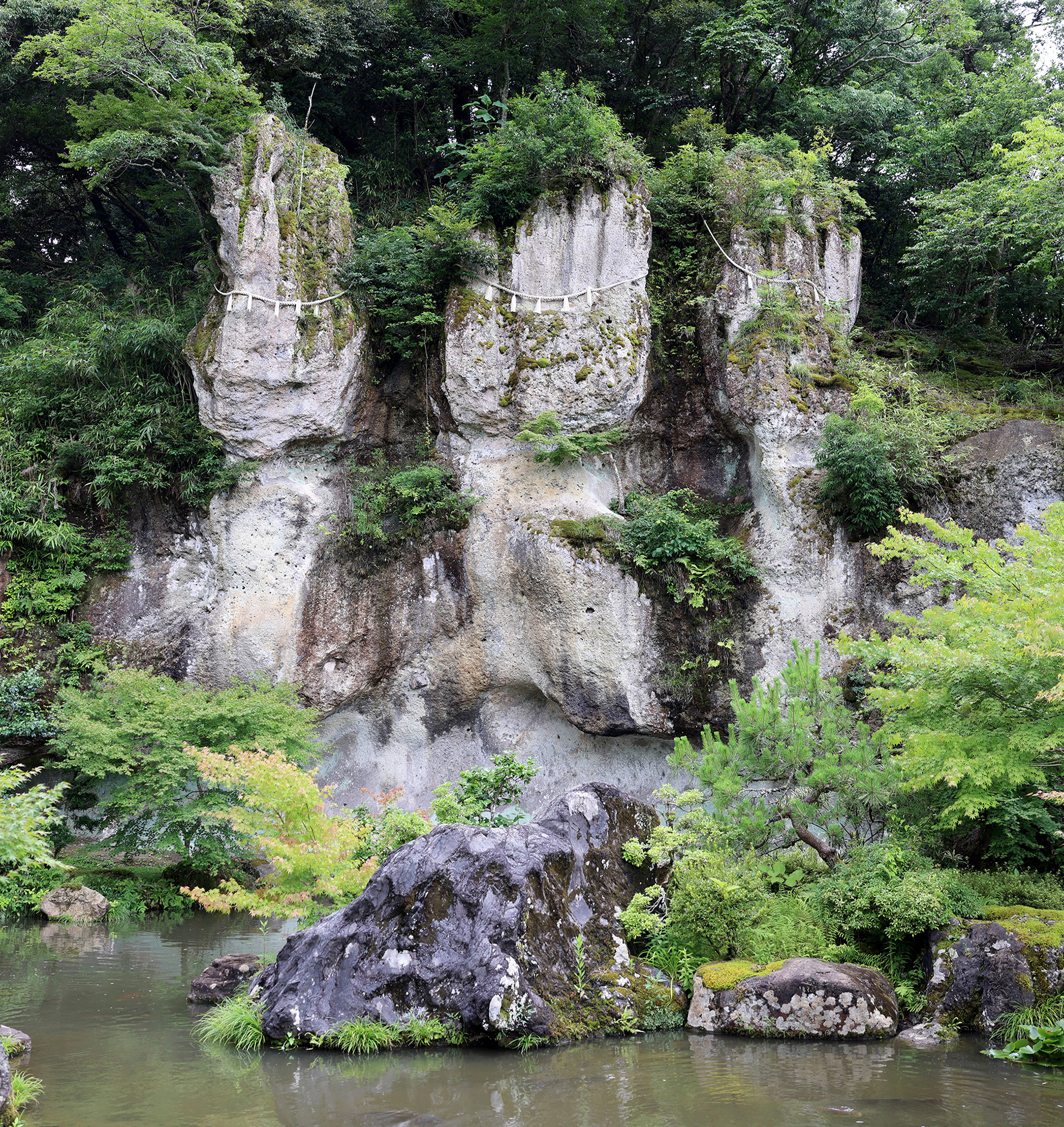
Little knownNatadera Temple (那谷寺) is an ancient mountain temple founded in 717 AD, renowned for its dramatic natural setting among m…