
Nagamachi
Investigado y escrito por Hinato

Photo: sergejf / Wikimedia Commons (CC BY 2.0) · original
Nagamachi conserva las residencias de los samuráis del clan Maeda, con muros de tierra y canales que serpentean por calles estrechas. La casa Nomura-ke muestra un jardín interior de una belleza concentrada que le ha valido reconocimiento internacional. Hay talleres de seda Kaga-yuzen donde teñir un pañuelo.
Información esencial
Horario
District 24/7. Ashigaru Shiryokan 9:00 AM – 5:00 PM.
Cerrado: Nomura House open year-round.
Entrada
District free. Nomura Samurai House ¥550. Ashigaru Shiryokan free.
Mejor temporada
December–February for snow-covered earthen walls and straw mat (komo) wrappings; autumn for maple foliage along lanes
Duración de la visita
45 min–1,5 horas
Cómo llegar
Información de acceso
Guía privilegiada
Lugares cercanos
Los lugares secretos más cercanos a Nagamachi, por distancia en línea recta.
 Sjaak Kempe from Groningen, The Netherlands / CC BY 2.0
Nomura Samurai House & Garden
Locally knownThe Nomura Samurai House (武家屋敷跡 野村家, Nomura-ke) in the Nagamachi district is the finest preserved samurai residence in K…
 ajari from Japan / CC BY 2.0
21st Century Museum of Contemporary Art
Well knownThe 21st Century Museum of Contemporary Art (金沢21世紀美術館) is a revolutionary circular museum building designed by architec…
 Raita Futo from Tokyo, Japan / CC BY 2.0
Omicho Market
Well knownOmicho Market (近江町市場, Omicho Ichiba) is Kanazawa's central food market, operating for 290+ years as the city's primary s…
 Matthias Wiesmann / CC BY-SA 3.0
Kanazawa Castle Park
Well knownKanazawa Castle (金沢城) was the seat of the powerful Maeda clan from 1583 to 1868, ruling the Kaga Domain — the wealthiest…
 Ilustración: no es una fotografía
Kanazawa Phonograph Museum
Locally knownThe Kanazawa Phonograph Museum (金沢蓄音器館) houses over 600 antique phonographs, music boxes, and early sound recording devi…
Kanazawa Noh Theater
Locally knownThe Ishikawa Prefectural Noh Theater (石川県立能楽堂) is one of Japan's premier noh venues, hosting regular performances of thi…
Más en Prefectura de Ishikawa
 Kentaro Ohno from Tokyo, Japan / CC BY 2.0
Myoryuji Ninja Temple
Well knownMyoryuji Temple (妙立寺), nicknamed the 'Ninja Temple' (忍者寺, Ninja-dera), is a seemingly modest Buddhist temple concealing…
 photo: Qurren ( talk ) Taken with Canon IXY 430F (Digital IXUS 245 HS) / CC BY-SA 3.0
Mitsukejima Rock
Little knownMitsukejima (見付島, 'Found Island') is a rock island rising from the shallow waters off Suzu's eastern coast, connected to…
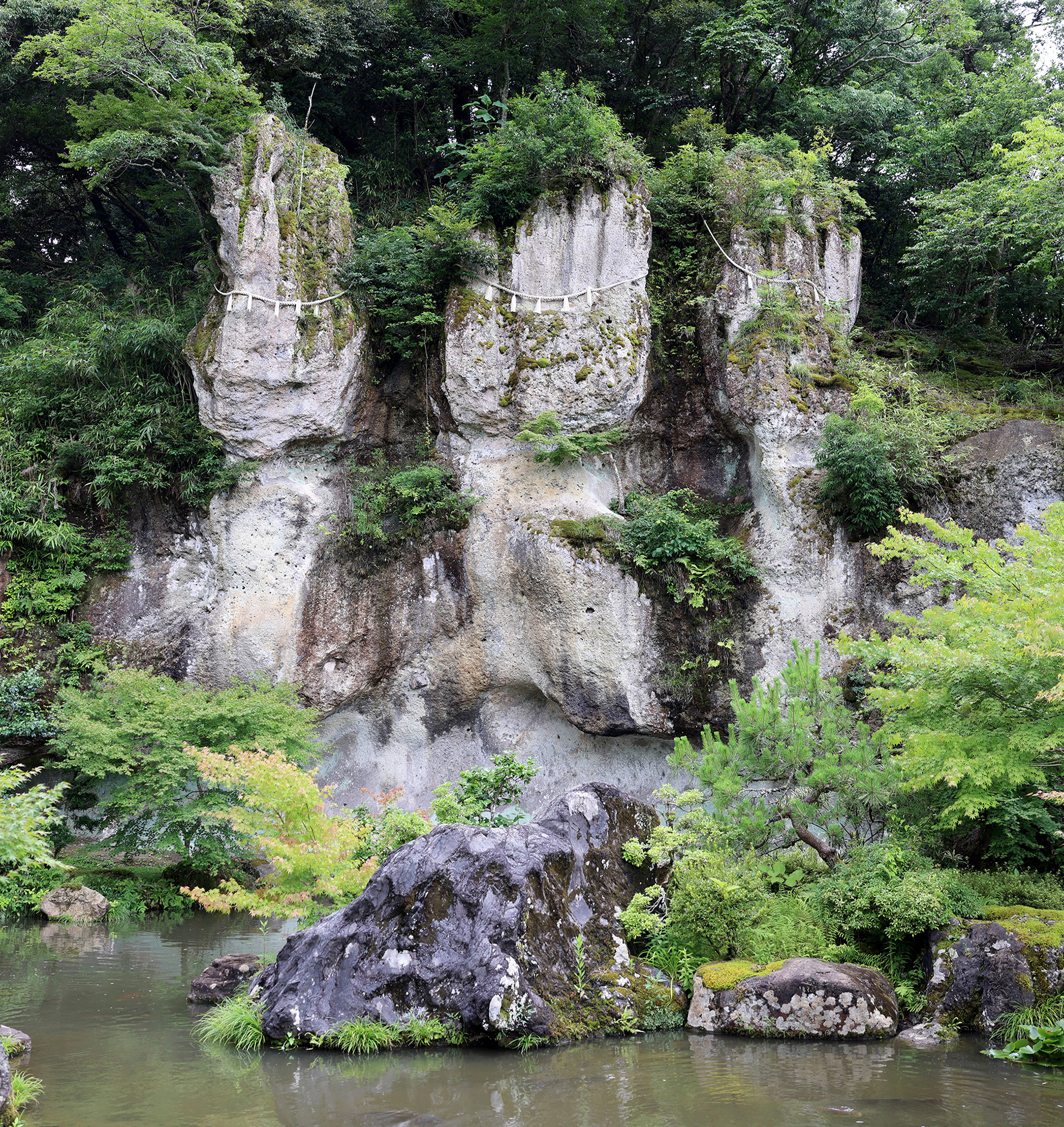 Yuichi Itoda / CC BY-SA 4.0
Natadera Temple
Little knownNatadera Temple (那谷寺) is an ancient mountain temple founded in 717 AD, renowned for its dramatic natural setting among m…