
Santuario Meiji
Investigado y escrito por Hinato

Photo: kanesue / Wikimedia Commons (CC BY 3.0) · original
A un paso de Harajuku y Shibuya se abre un bosque de 70 hectáreas que parece de otra dimensión: 120 000 árboles donados de todo Japón crean un dosel denso que aísla del ruido urbano en cuestión de metros. El santuario Meiji, dedicado al emperador Meiji y la emperatriz Shoken, fue inaugurado en 1920 y es el santuario sintoísta más visitado de Japón en Año Nuevo (más de tres millones de personas en tres días).
El torii de madera de ciprés de 12 metros de alto marca la entrada a un espacio de silencio inesperado. Es el contraste perfecto con la Tokio de neón: una mañana aquí y una tarde en Shibuya resumen las dos caras de la capital.
Our angle on Santuario Meiji
Nobody else is going here
Everyone within a mile of Santuario Meiji is going to Santuario Meiji. Here are 4 places within 21km of it that almost nobody writes about — straight-line distances from our own catalogue, not travel times.
- Fujiko F Fujio MuseumLittle known~14 km away · Kanagawa
The Fujiko F Fujio Museum (藤子・F・不二雄ミュージアム) celebrates the work of manga artist Fujiko F Fujio, creator of Doraemon — Jap…
- Urayasu Edo-Style BathhouseLittle known~18 km away · Chiba
Before Urayasu became synonymous with Disney, it was a fishing village on the edge of Edo (Tokyo) Bay, and the town's ba…
- Shin-Yokohama Ramen MuseumLocally known~20 km away · Kanagawa
The Shin-Yokohama Ramen Museum (新横浜ラーメン博物館) is part food court, part cultural museum — a basement complex recreating 195…
- Soka Senbei and MatsubaraLittle known~20 km away · Saitama
Soka was the second post station out of Edo on the Nikko highway, and the rice crackers sold to travellers there became…
Información esencial
Horario
Varies by venue — confirm before visiting
Cerrado: Open year-round
Entrada
Gratuito
Mejor temporada
Todo el año | Año Nuevo para la experiencia del hatsumode
Duración de la visita
1–1,5 horas
Cómo llegar
Información de acceso
Guía privilegiada
Lugares cercanos
Los lugares secretos más cercanos a Santuario Meiji, por distancia en línea recta.
 Creative Monkey / CC BY 3.0
Yoyogi Park
Well knownYoyogi Park (代々木公園) is Tokyo's fifth-largest park (134 acres) and the city's most socially active green space. The park'…
Tokyo Ramen
Well knownTokyo-style ramen (東京ラーメン) is characterized by shoyu (soy sauce) broth — clear, savory, and balanced — served with mediu…
Tokyo Coffee Culture
Well knownTokyo's coffee culture has evolved from 1970s kissaten (喫茶店, retro cafes) to 2000s-2010s third-wave specialty coffee — s…
 Ilustración: no es una fotografía
Takeshita Street
FamousTakeshita Street (竹下通り, Takeshita-dori) is a 350-meter pedestrian alley in Harajuku, lined with shops selling kawaii (cu…
 江戸村のとくぞう / CC BY-SA 4.0
Shibuya Parco
FamousShibuya Parco (渋谷パルコ) is a 10-floor fashion and culture complex rebuilt in 2019, blending streetwear boutiques, art gall…
 kanesue / CC BY 3.0
Tokyo Metropolitan Building
FamousThe Tokyo Metropolitan Government Building (東京都庁, Tocho) has twin towers rising 243 meters, each with a free observation…
Más en Prefectura de Tokio
 Basile Morin / CC BY-SA 4.0
Shinjuku Kabukicho
FamousKabukicho (歌舞伎町) is Tokyo's largest entertainment and red-light district, a neon-soaked maze of narrow alleys packed wit…
 Pexels
Senso-ji Temple
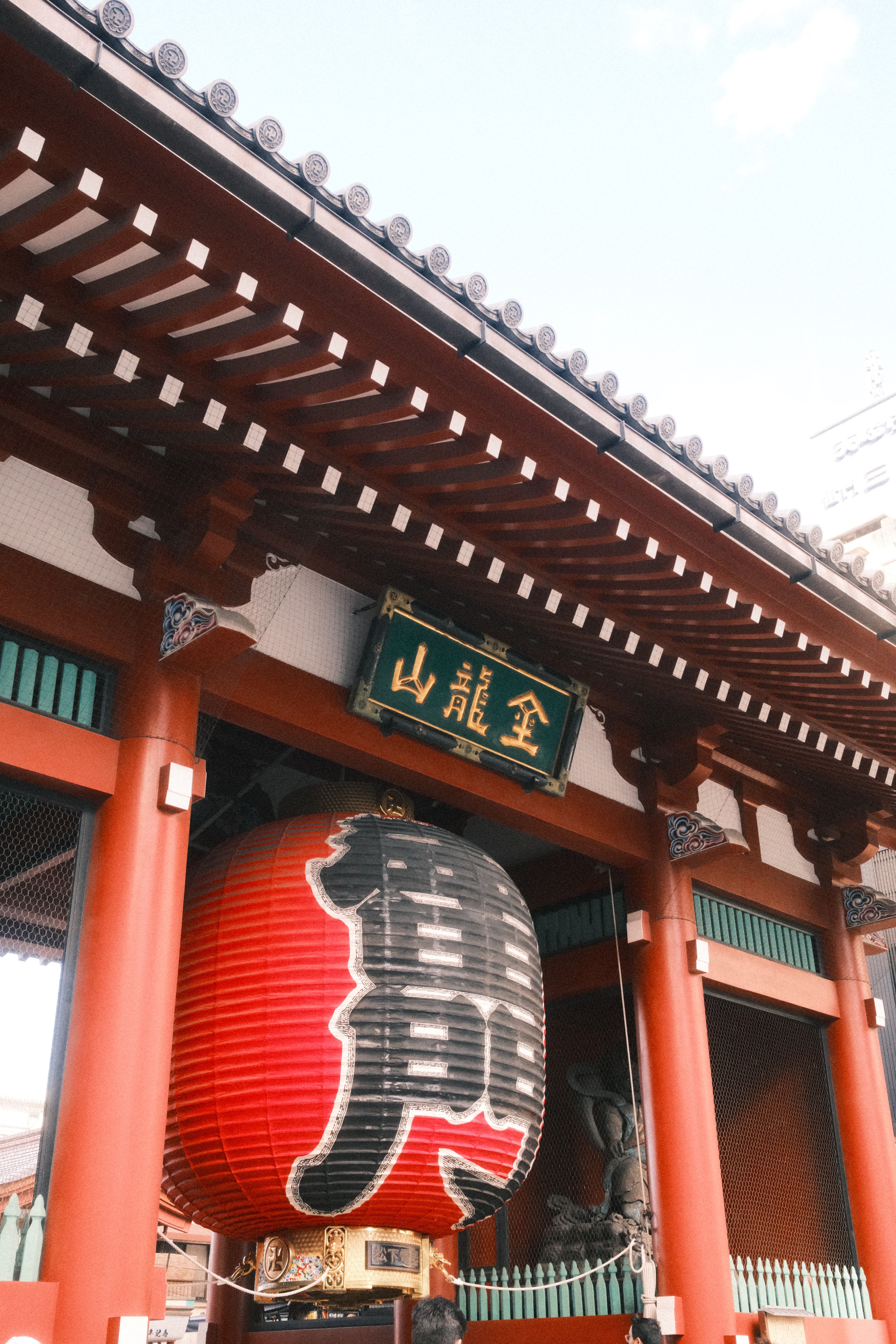
FamousSenso-ji (浅草寺) is Tokyo's oldest and most significant Buddhist temple, founded in 645 AD after two fishermen discovered…
 nakashi from Chofu, Tokyo, JAPAN / CC BY-SA 2.0
Akihabara Electric Town
FamousAkihabara (秋葉原, often shortened to 'Akiba') is Tokyo's electronics and otaku (geek) culture district, a dense 500-meter…