
Akihabara
Investigado y escrito por Hinato

Photo: nakashi from Chofu, Tokyo, JAPAN / Wikimedia Commons (CC BY-SA 2.0) · original
Akihabara es el barrio de la electrónica, el manga, el anime y la cultura otaku de Tokio. Edificios de varios pisos albergan tiendas de figuras, videojuegos retro y componentes electrónicos. Los maid cafes son un fenómeno único del barrio. Los fines de semana, la avenida principal se cierra al tráfico.
Our angle on Akihabara
Nobody else is going here
Everyone within a mile of Akihabara is going to Akihabara. Here are 4 places within 21km of it that almost nobody writes about — straight-line distances from our own catalogue, not travel times.
- Urayasu Edo-Style BathhouseLittle known~13 km away · Chiba
Before Urayasu became synonymous with Disney, it was a fishing village on the edge of Edo (Tokyo) Bay, and the town's ba…
- Soka Senbei and MatsubaraLittle known~15 km away · Saitama
Soka was the second post station out of Edo on the Nikko highway, and the rice crackers sold to travellers there became…
- Fujiko F Fujio MuseumLittle known~21 km away · Kanagawa
The Fujiko F Fujio Museum (藤子・F・不二雄ミュージアム) celebrates the work of manga artist Fujiko F Fujio, creator of Doraemon — Jap…
- Urawa UnagiLittle known~21 km away · Saitama
Urawa (now part of Saitama City) has served as a freshwater eel capital since the Edo period when the Shiba River and su…
Información esencial
Horario
District open 24/7 | Maid cafes: 11:00 AM – 10:00 PM
Cerrado: No regular closures (most shops open daily)
Entrada
Free to explore | Maid cafe: ¥500–1,000 entry + food/drinks (¥2,000–3,000 per person)
Mejor temporada
Year-round (weekday mornings for less crowded shopping)
Duración de la visita
2–3 horas
Cómo llegar
Información de acceso
Guía privilegiada
Lugares cercanos
Los lugares secretos más cercanos a Akihabara, por distancia en línea recta.
 くろふね / CC BY 3.0
Ueno Park
FamousUeno Park (上野恩賜公園, Ueno Onshi Koen) is Tokyo's largest public park (133 acres), housing five major museums, a zoo, shrin…
 Nesnad / CC BY 3.0
Tokyo Yakatabune
Well knownYakatabune (屋形船) are low-slung wooden boats with tatami floors and sliding paper windows that have been hauling partying…
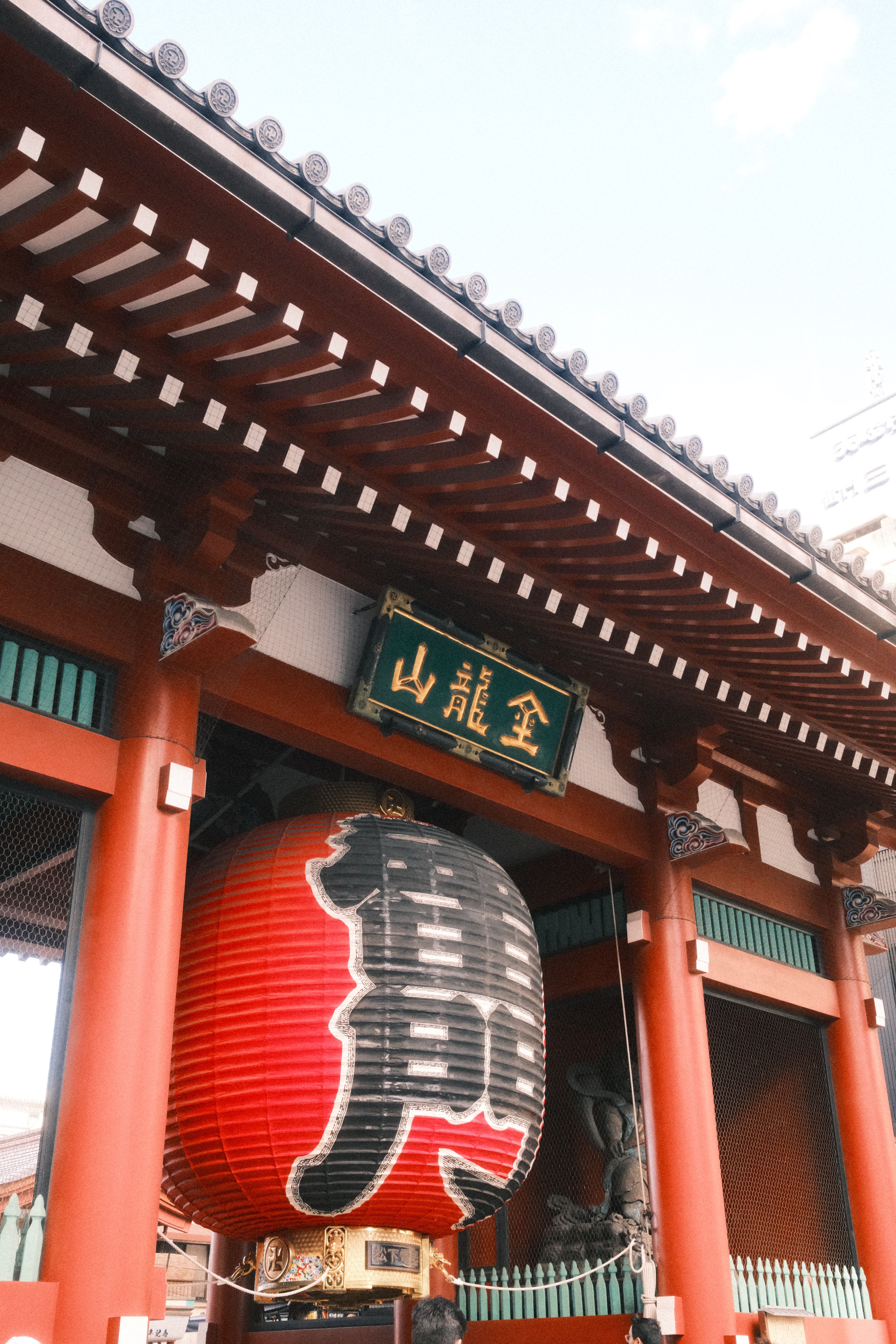 Pexels
Senso-ji Temple
FamousSenso-ji (浅草寺) is Tokyo's oldest and most significant Buddhist temple, founded in 645 AD after two fishermen discovered…
Tokyo Sushi
Well knownEdomae sushi (江戸前鮨) developed in the 1800s in Tokyo (then called Edo) as fast food for workers — rice and fish pressed t…
 片割れ靴下 (unpaired sock) / CC BY-SA 4.0
Ginza Shopping District
FamousGinza (銀座, 'silver mint') is Tokyo's premier luxury shopping district, an 8-block grid of flagship stores, department st…
 Ilustración: no es una fotografía
Tokyo Skytree
FamousTokyo Skytree punches through the skyline at 634 meters (2,080 feet) — the tallest tower on the planet, though locals wi…
Más en Prefectura de Tokio
 Ilustración: no es una fotografía
Takeshita Street
FamousTakeshita Street (竹下通り, Takeshita-dori) is a 350-meter pedestrian alley in Harajuku, lined with shops selling kawaii (cu…
 kanesue / CC BY 3.0
Meiji Shrine
FamousMeiji Shrine (明治神宮, Meiji Jingu) is a Shinto shrine dedicated to Emperor Meiji and Empress Shoken, set within 175 acres…
 Christophe95 / CC BY-SA 4.0
Tsukiji Outer Market
FamousTsukiji Outer Market (築地場外市場, Tsukiji Jogai Shijo) is a 300-meter network of alleys and shops selling fresh seafood, pro…