
Esta página aún no ha sido traducida y se muestra en inglés.
Shitennoji Temple
Investigado y escrito por Hinato

Photo: lienyuan lee / Wikimedia Commons (CC BY 3.0) · original
Shitennoji (四天王寺) was founded in 593 CE by Prince Shotoku, making it one of Japan's oldest Buddhist temples and the first built by the state. The temple complex follows the original Asuka-period layout with a five-story pagoda, main hall (kondo), lecture hall, and inner gate aligned on a north-south axis — this arrangement became the prototype for Japanese temple design.
The current buildings are 20th-century reconstructions (originals destroyed by war and fire multiple times), but the layout preserves 1,400-year-old design principles. The 21st of each month hosts a flea market (四天王寺骨董市) with 300+ vendors selling antiques, kimono, ceramics, and crafts.
Información esencial
Horario
Flea market (21st of each month): 8:00 AM – 4:00 PM
Cerrado: Open year-round
Entrada
Grounds: free | Garan (inner precinct) + treasure house: ¥300 | Flea market: free to browse
Mejor temporada
Year-round | 21st of each month for flea market | Spring for plum blossoms
Duración de la visita
45–60 minutes (temple) | Half day on flea market day
Cómo llegar
Información de acceso
Guía privilegiada
Lugares cercanos
Los lugares secretos más cercanos a Shitennoji Temple, por distancia en línea recta.
 iloverjoa / CC BY 3.0
Tennoji Zoo
Little knownTennoji Zoo (天王寺動物園) opened in 1915 as Japan's third zoo, housing 1,000+ animals from 180+ species on 11 hectares. The z…
 shikabane taro / CC BY 3.0
Osaka Municipal Museum of Art
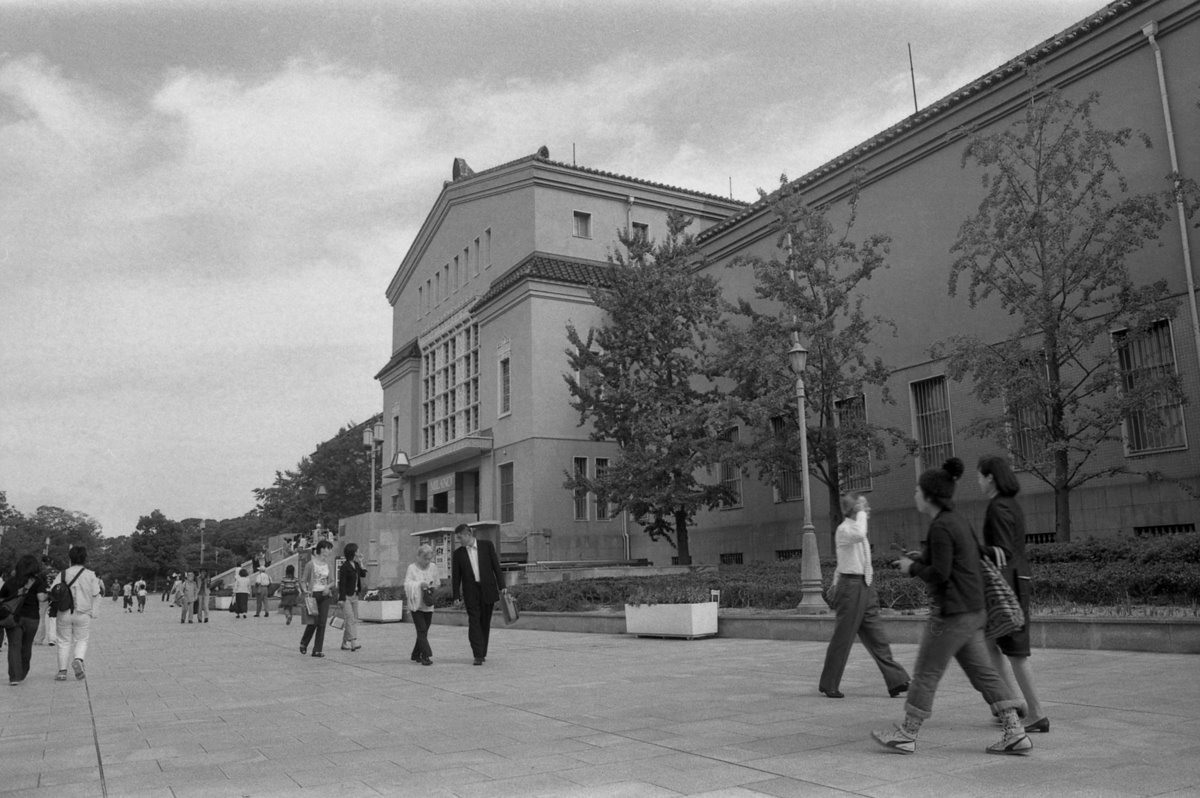
Locally knownOsaka Municipal Museum of Art (大阪市立美術館) in Tennoji Park houses Japan's classical art collection: 8,000+ pieces including…
 そらみみ / CC BY-SA 4.0
Spa World
Locally knownSpa World (スパワールド世界の大温泉) in Shinsekai is an 8-floor onsen (hot spring) complex themed around world bathing cultures — Eu…
 Ajay Suresh from New York, NY, USA / CC BY 2.0
Kushikatsu Deep Dive
Well knownKushikatsu (串カツ, 'skewer cutlet') goes beyond simple deep-fried food — it's Osaka working-class culture made edible. The…
 Ilustración: no es una fotografía
Abeno Harukas
Locally knownAbeno Harukas (あべのハルカス) is Japan's tallest building at 300 meters (60 floors), opened in 2014. The top three floors (58F…
 z tanuki / CC BY 3.0
National Bunraku Theater
Well knownThree men in black breathe in unison. The one on the left controls the puppet's legs, his body bent at the waist for 30…
Más en Prefectura de Osaka
Tsuruhashi Korea Town
Locally knownTsuruhashi Korea Town (鶴橋コリアタウン) is Osaka's largest Korean community, concentrated around Tsuruhashi Station. The distri…
 ZhengZhou / CC BY-SA 4.0
Kobe Beef Steak
Locally knownWalking into a Kobe beef teppanyaki restaurant, you smell the sweet aroma of caramelizing fat before you see your table.…
 Ludovic Lubeigt from Taiwan / CC BY-SA 2.0
Floating Garden Observatory Nighttime Visit
Well knownReturning to Umeda Sky Building specifically for nighttime visit creates entirely different experience from daytime. The…