
Esta página aún no ha sido traducida y se muestra en inglés.
Toshodaiji Temple
Investigado y escrito por Hinato

Photo: 663highland / Wikimedia Commons (CC BY 2.5) · original
When the Chinese monk Jianzhen finally reached Japan in 754 AD after five shipwrecks, pirate attacks, and twelve years attempting the crossing from Tang China, he was 66 years old and blind. Saltwater and tropical sun had destroyed his eyes during the voyages. Emperor Shomu invited him to reform Japanese Buddhist ordination practices, which had become corrupt — monks ordained themselves or paid for certificates. Jianzhen established the first proper ordination platform and founded Toshodaiji five years later as a training monastery. He never saw the buildings he designed.
The Main Hall (Kondo) preserves 8th-century Tang Dynasty temple architecture that no longer exists in China — wood buildings from that era all burned centuries ago. The proportions look wrong if you're used to Japanese temples: wider than deep (28m x 14m), roof curve barely perceptible, columns swelling in the middle using entasis (a Greek technique that traveled the Silk Road). Stand at the hall's south side and look along the column line — each cypress pillar is 70cm in diameter and swells to 74cm at one-third height before tapering toward the capital. This counteracts the optical illusion that makes straight columns appear to narrow in the middle. The technique came from the Parthenon through Persian architecture into Tang China.
Inside the dim hall, three National Treasure statues sit on platforms: the central Senju Kannon (Thousand-Armed Kannon) actually has 953 hands, each holding a different implement — axe, rope, lotus, bell, sword. In the low light, the hands seem to move. The statue was carved from Japanese nutmeg trees in the 8th century and stands 5.4 meters tall. On June 6 each year, the Founder's Hall opens to show Jianzhen's portrait statue — dry lacquer technique where cloth soaked in tree sap was layered over a wooden frame, then painted. His eyes are closed. It's the oldest portrait sculpture in Japan, made shortly after his death in 763. The sculptor who knew him personally captured the exhausted dignity in his face.
Información esencial
Horario
8:30 AM – 5:00 PM (last entry 4:30 PM) daily
Cerrado: Open year-round
Entrada
¥1,000 (includes Kondo, Lecture Hall, and grounds) | June 6 special Jianzhen portrait viewing: ¥500 additional (one day per year)
Mejor temporada
Year-round (June 6 for Jianzhen portrait statue viewing) | Spring (late March-April) for cherry blossoms on grounds | Autumn (November) for maple foliage
Duración de la visita
60-90 minutes (Kondo + Lecture Hall + grounds) | Combine with Yakushiji Temple (800m south, 10-min walk) for UNESCO temple pair (2.5-3 hours total)
Cómo llegar
Información de acceso
Acceso detallado y horarios
Estación más cercana
Nishinokyo Station (Kintetsu Kashihara Line) - 10-min walk | Yamato-Saidaiji Station (Kintetsu) - 25-min walk or bus
Tiempo de viaje
From Kintetsu Nara Station: 25 min via Kashihara Line to Nishinokyo Station (¥280) | From Kyoto: 60 min via Kintetsu to Nishinokyo | From Osaka: 45 min via Kintetsu
Cómo llegar
Train: Take Kintetsu Kashihara Line from Kintetsu Nara to Nishinokyo Station (3 stops, ¥280, 10 min), then 10-min walk west. Nishinokyo is also served from Yamato-Saidaiji (1 stop from Yamatoji Line connections). Bus: City bus from Nara Station (Kintetsu West exit) to Toshodaiji bus stop (¥260, 20 min, less frequent). Bicycle: 25 min from central Nara, gentle flat terrain — ideal for combining with Yakushiji 800m south.
Mejor momento para visitar
Opening time (8:30-10:00 AM) for quietest conditions before tour groups. June 6 for the rare Jianzhen portrait statue viewing (arrive by 8:30 to avoid lines). Weekday mornings throughout the year offer near-solitude compared to Nara Park temples.
Consejos para evitar multitudes
Toshodaiji receives far fewer visitors than Nara Park temples despite equal UNESCO significance — typically 200-300 visitors/day vs 5,000+ at Todaiji. Even on weekends, the temple maintains peaceful atmosphere. June 6 is the notable exception when 2,000-3,000 pilgrims arrive for the portrait viewing. Combine with Yakushiji (10-min walk south) for efficient dual UNESCO temple day.
Información de aparcamiento
Temple parking lot: free (50 spaces, 10-min walk from main gate). Street parking available on Nishikyogoku-dori. Car access convenient compared to Nara Park temples — no congestion. Bicycle parking at main gate.
Guía privilegiada
Reserva alojamiento cercano
Encuentra alojamiento cerca de Toshodaiji Temple en estas plataformas de confianza:
Lugares cercanos
Los lugares secretos más cercanos a Toshodaiji Temple, por distancia en línea recta.
 くろふね / CC BY 3.0
Yakushiji Temple
Well knownYakushiji (薬師寺) is a UNESCO World Heritage temple founded in 680 AD, famous for its twin pagodas flanking the Main Hall…
 Roman SUZUKI / CC BY 3.0
Heijo Palace Site
Well knownHeijo Palace (平城宮跡, Heijo-kyo) was the imperial palace during Nara's time as Japan's capital (710–784 AD), occupying 120…
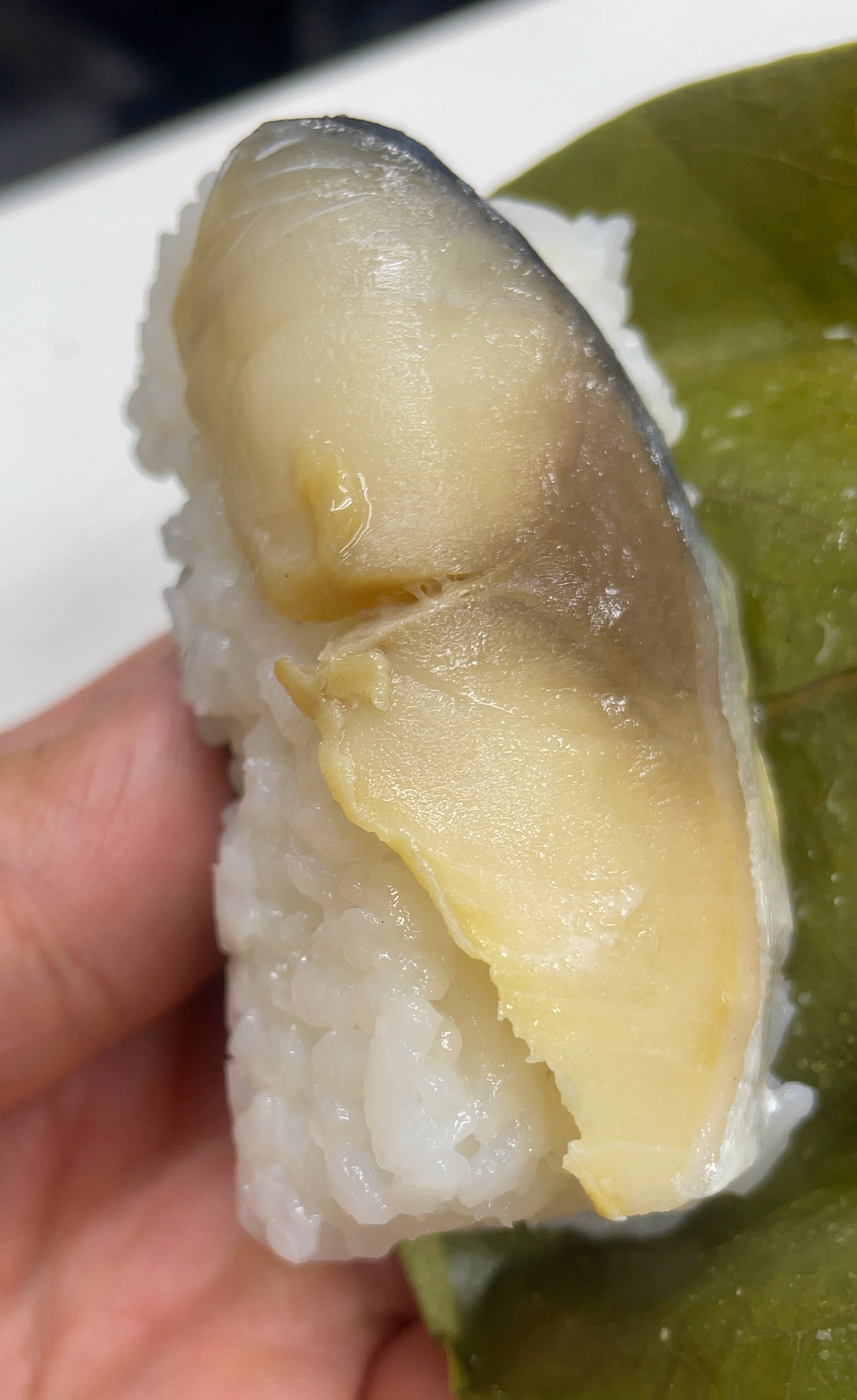 Kyu3a / CC BY-SA 4.0
Kakinoha-zushi
Locally knownKakinoha-zushi (柿の葉寿司) is Nara's signature pressed sushi: vinegared rice topped with mackerel, salmon, or sea bream, wra…
 daniel julià lundgren from barcelona, catalonia / CC BY-SA 2.0
Narazuke Pickles
Locally knownNarazuke (奈良漬) are vegetables pickled in sake kasu (酒粕, sake lees — the fermented rice solids left after sake brewing),…
Nara Sake
Locally knownNara is the birthplace of sake brewing's key innovations — monks at Shoryakuji Temple (菩提山正暦寺) invented the bodaimoto me…
 Ilustración: no es una fotografía
Nara Sumi Ink & Fude Brushes
Locally knownNara produces 90% of Japan's traditional sumi ink (墨, solid ink sticks) and is a major center for fude (筆, calligraphy b…
Más en Prefectura de Nara
 Ilustración: no es una fotografía
Asuka Village
Little knownWhen you cycle through Asuka's rice paddies, granite boulders carved with geometric channels and stone slabs weighing 77…
 z tanuki / CC BY 3.0
Horyuji Temple
Well knownHoryuji (法隆寺) is a UNESCO World Heritage temple containing the world's oldest surviving wooden structures — the Main Hal…
 Benh LIEU SONG from Torcy, France / CC BY-SA 2.0
Ukimido Pavilion
Well knownUkimido (浮見堂, 'Floating Pavilion') is a hexagonal pavilion built on stilts over Sagi-ike Pond in Nara Park's southern ar…