
Cette page n'a pas encore été traduite et s'affiche en anglais.
Gokayama Ainokura
Recherche et rédaction Hinato

Photo: SHori / Wikimedia Commons (CC BY 4.0) · original
Gokayama's Ainokura (相倉集落) is Shirakawa-go's smaller, quieter neighbor — a hamlet of 20 gassho-zukuri farmhouses set on a hillside terrace overlooking rice paddies and the Shogawa River valley. It shares UNESCO World Heritage status with Shirakawa-go but receives far fewer visitors, preserving a more intimate, lived-in atmosphere. The village is small enough to walk in 20 minutes yet retains full authenticity — locals still cultivate rice, maintain thatched roofs communally, and welcome visitors into farmhouse museums.
Ainokura's elevated setting provides natural panoramas without needing to climb observation platforms. The absence of souvenir shops and tour buses allows the sound of wind through thatch, running water, and birdsong to dominate. The village's Ainokura Minzoku-kan (folk museum) displays tools for thatching, silkworm cultivation, and washi papermaking — the three pillars of Gokayama's economy for 300 years.
Informations essentielles
Horaires d'ouverture
Village lanes: open 24/7 | Ainokura Minzoku-kan (folk museum): 9:00 AM – 5:00 PM
Fermé: Village access: never closed
Tarif d'entrée
Village entry: free | Ainokura Minzoku-kan: ¥300 | Minshuku stays: ¥9,000–¥12,000 per person with two meals
Meilleure saison
Autumn (late October–early November) for foliage over rice paddies | May for spring rice planting with flooded paddy reflections | Winter (December–March) for heavy snow and fewer crowds than Shirakawa-go
Durée de visite
2–3 hours for village walk and museum | Full day if combining with Suganuma hamlet and Shirakawa-go via World Heritage Bus | Overnight in gassho minshuku recommended for the full experience
Comment s'y rendre
Informations d'accès
Guide d'initié
Lieux à proximité
Les lieux secrets les plus proches de Gokayama Ainokura, par distance à vol d'oiseau.
 shikabane taro / CC BY 3.0
Gokayama Washi Papermaking
Little knownGokayama has produced traditional washi paper (和紙) for over 400 years, using kozo (mulberry bark) harvested from surroun…
 Zairon / CC BY-SA 4.0
Gokayama Gassho-Zukuri Villages
FamousGokayama is three mountain villages deep in Toyama's Sho River valley, known for gassho-zukuri farmhouses—steeply thatch…
Toga
Little knownToga is a mountain village at the top of a valley in Nanto, seventy minutes by road from Toyama city and considerably fu…
 Illustration — il ne s'agit pas d'une photographie
Johana Betsuin Zentokuji
Little knownZentokuji was founded around 530 years ago by Rennyo, the eighth head of the Honganji and the man who turned Jodo Shinsh…
Inami Woodcarving Town
Locally knownInami carves wood, and it has done since the eighteenth century, when carpenters rebuilding the temple at the top of the…
 くろふね / CC BY 3.0
Shirakawa-go Gassho-zukuri Village
FamousShirakawa-go (白川郷) clusters 114 gassho-zukuri (合掌造り, 'praying hands') farmhouses in a mountain valley where snow piles 3…
Plus de lieux à Préfecture de Gifu
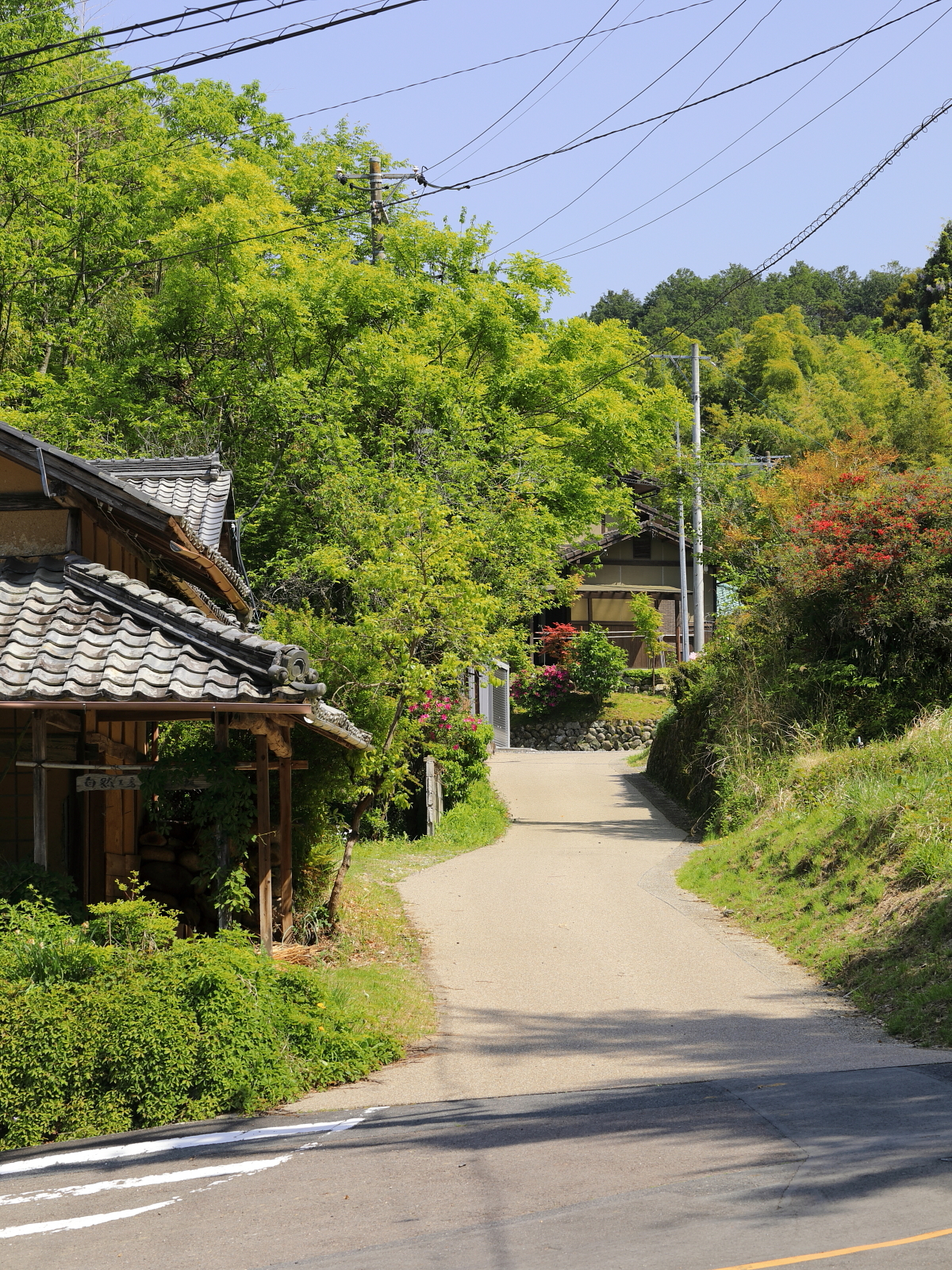 Tomio344456 / CC BY-SA 4.0
Magome to Tsumago Hike
Little knownThe Magome-Tsumago hike follows a 7.8km preserved section of the Nakasendo (中山道) — the Edo-period mountain route connect…
 z tanuki / CC BY 3.0
Takayama Festival Floats
Well knownTakayama Matsuri (spring April 14–15, autumn October 9–10) is ranked among Japan's three most beautiful festivals for it…
 rumpleteaser from Nagoya, Japan / CC BY 2.0
Hida Folk Village (Hida no Sato)
Well knownHida no Sato (飛騨の里) is an open-air museum preserving over 30 traditional farmhouses relocated from across the Hida regio…