
Cette page n'a pas encore été traduite et s'affiche en anglais.
Magome to Tsumago Hike
Recherche et rédaction Hinato
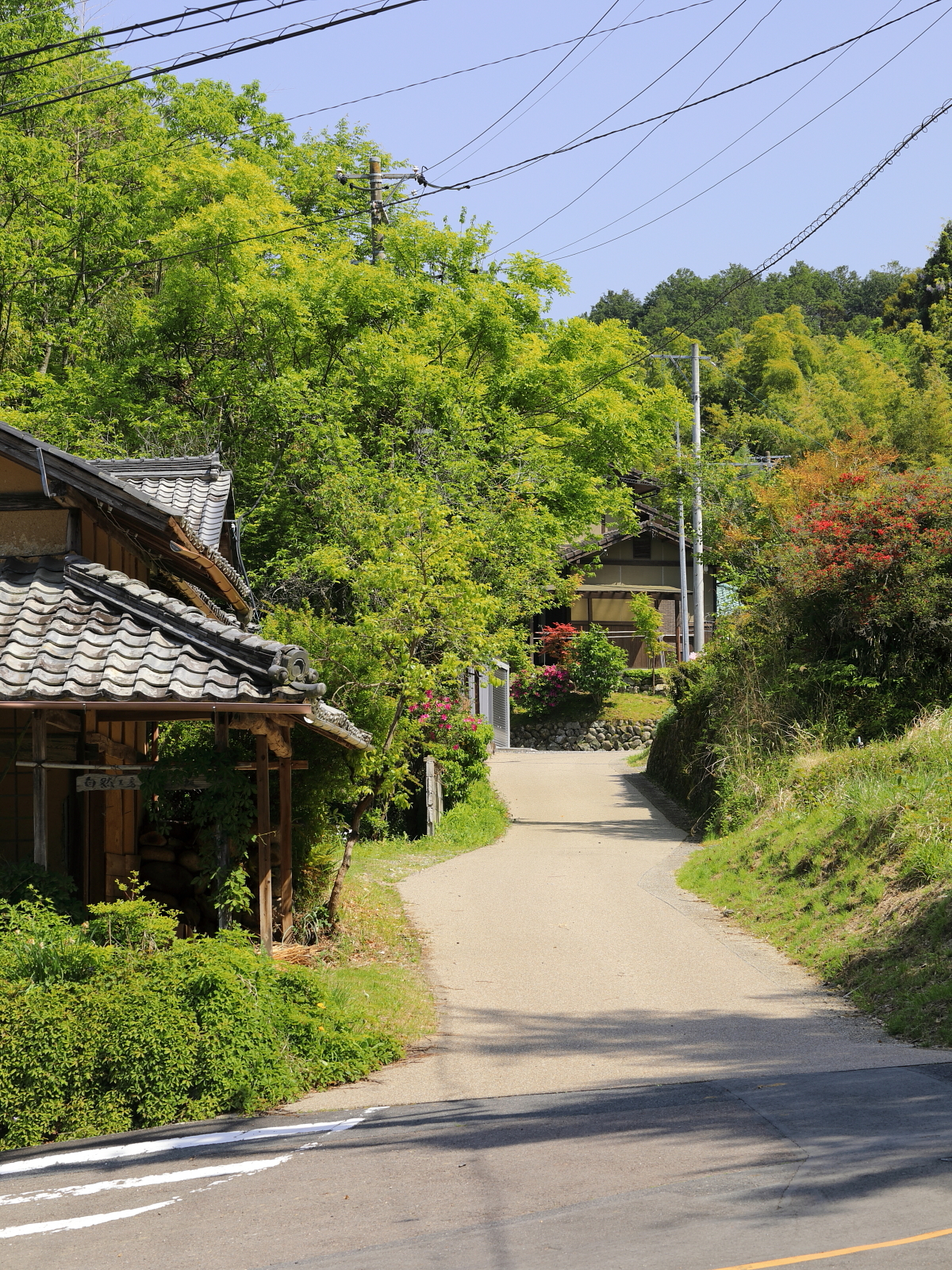
Photo: Tomio344456 / Wikimedia Commons (CC BY-SA 4.0) · original
The Magome-Tsumago hike follows a 7.8km preserved section of the Nakasendo (中山道) — the Edo-period mountain route connecting Tokyo and Kyoto. The trail links two post towns (shukuba) where travelers once rested: Magome (Gifu Prefecture) perched on a steep hillside, and Tsumago (Nagano Prefecture) nestled in a valley, both meticulously preserved with prohibition on modern facades, power lines, and cars in historic zones. The walk takes 2.5–3 hours through forested ridges, bamboo groves, terraced rice fields, and riverside paths, passing stone markers, tea houses, and waterfalls.
The trail is moderately easy (mostly downhill from Magome to Tsumago, elevation drop 300m) and requires no special gear beyond walking shoes. Both villages maintain Edo-period aesthetics: wooden inns (ryokan), soba shops, souvenir stalls selling gohei-mochi and chestnut sweets, and preserved honjin (elite travelers' lodgings). The experience delivers time-travel immersion — walking the same stone-paved path samurai and merchants walked 400 years ago.
Informations essentielles
Horaires d'ouverture
Trail: open 24/7 (hike during daylight) | Village shops and restaurants: 9:00 AM – 5:00 PM | Luggage forwarding: drop-off 9:30–11:30 AM in Magome, collect from 1:00 PM in Tsumago | Honjin museums: 9:00 AM – 5:00 PM
Fermé: Trail: never closed | Honjin museums: closed December–February on weekdays | Some shops closed Wednesdays
Tarif d'entrée
Trail: free | Honjin museum (Tsumago): ¥550 | Luggage forwarding service: ¥1,000 per bag | Village entry: free
Meilleure saison
Spring (April–May) for cherry blossoms and fresh greenery with fewer hikers | Autumn (late October–early November) for peak foliage (expect weekend crowds of 1,000+ hikers) | Winter (December–February) for near-solitary hiking in snow | Avoid Golden Week and autumn weekends
Durée de visite
2.5–3 hours for the 7.8 km Magome→Tsumago hike | Add 1–2 hours for exploring each village | Full day including village meals and museum visits | Overnight in Tsumago minshuku adds evening atmosphere after day-trippers leave
Comment s'y rendre
Informations d'accès
Guide d'initié
Lieux à proximité
Les lieux secrets les plus proches de Magome to Tsumago Hike, par distance à vol d'oiseau.
 z tanuki / CC BY 3.0
Magome-juku
Little knownMagome-juku (馬籠宿) is another Nakasendo post town, built on a steep hillside with dramatic views of the Kiso Valley and M…
 Illustration — il ne s'agit pas d'une photographie
Tsumago-juku
Little knownTsumago was a post station on the Nakasendo, the mountain road that linked Kyoto and Tokyo during the Edo period. When t…
 Illustration — il ne s'agit pas d'une photographie
Nakatsugawa Kurikinton
Little knownThe kurikinton of Nakatsugawa is not the glossy sweet-potato paste served at New Year elsewhere in Japan. It is chestnut…
 torao t / CC BY 3.0
Naegi Castle Ruins
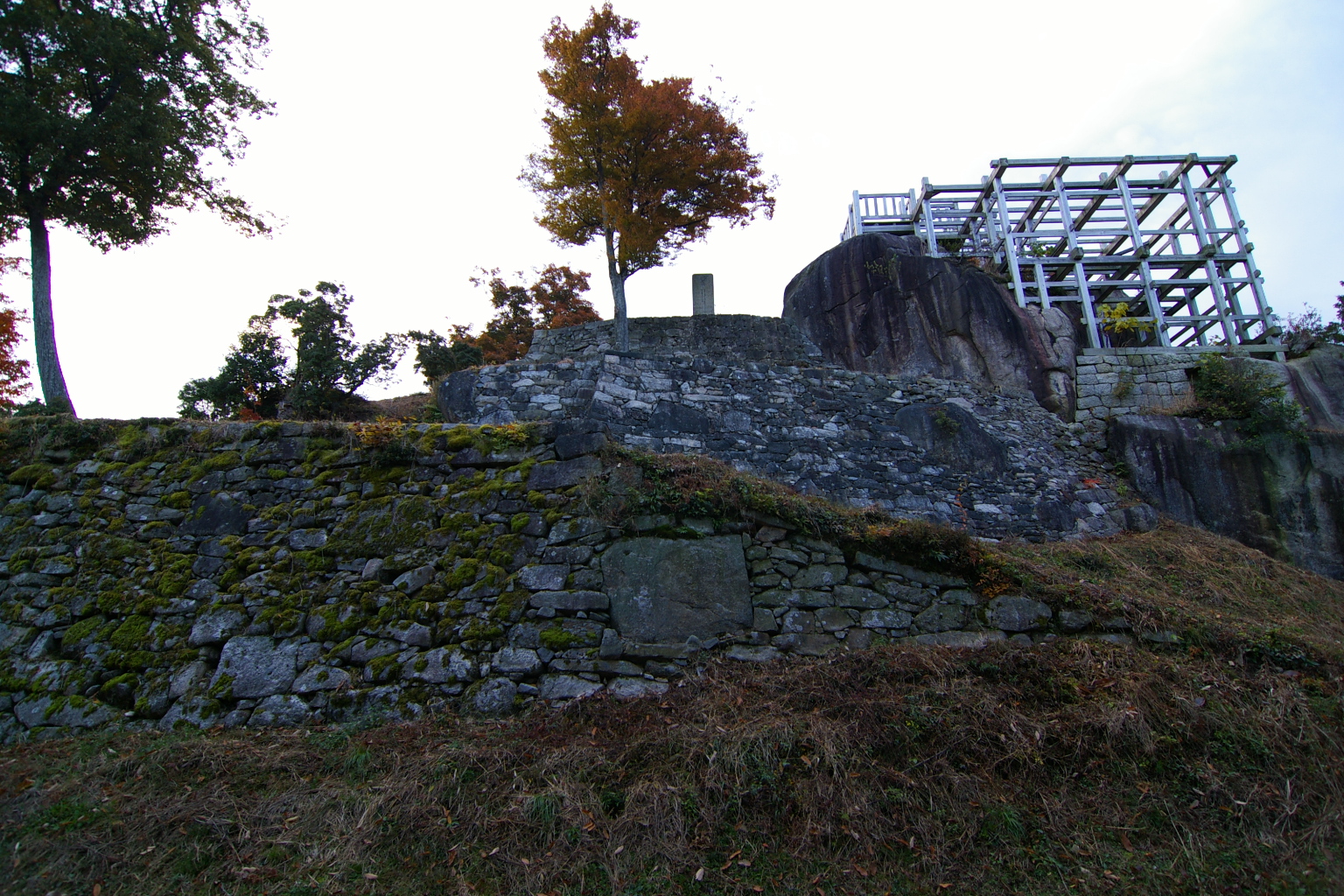
Little knownNaegi was built on a granite outcrop above the Kiso river, and rather than clear the boulders the builders stacked their…
Enakyo Gorge Cruise
Little knownEnakyo is the reservoir of the Oi dam, completed in 1924 as the first large concrete dam in Japan, which flooded a stret…
 Bariston / CC BY-SA 4.0
Tsukechi Gorge
Little knownThe Tsukechi river runs off the Kiso mountains over a granite bed, and where it cuts through the gorge the water is a gr…
Plus de lieux à Préfecture de Gifu
 Opqr / CC BY-SA 4.0
Keichan
Little knownKeichan is chicken cut up, marinated in miso and cooked on a hot plate with cabbage. It comes from the Gujo and Gero are…
 くろふね / CC BY 3.0
Shirakawa-go Gassho-zukuri Village
FamousShirakawa-go (白川郷) clusters 114 gassho-zukuri (合掌造り, 'praying hands') farmhouses in a mountain valley where snow piles 3…
 SHori / CC BY 4.0
Gokayama Ainokura
Well knownGokayama's Ainokura (相倉集落) is Shirakawa-go's smaller, quieter neighbor — a hamlet of 20 gassho-zukuri farmhouses set on…