
Cette page n'a pas encore été traduite et s'affiche en anglais.
Nozawa Onsen
Recherche et rédaction Hinato

Photo: [email protected]… / Wikimedia Commons (CC BY-SA 3.0) · original
Nozawa Onsen (野沢温泉) is a 700-year-old hot spring village that doubles as one of Japan's premier ski resorts. The village is built around 13 free public bathhouses (外湯, sotoyu) fed by natural hot springs reaching 90°C at the source. Each bathhouse has distinct character and water temperature, and locals still use them for daily bathing. The village's narrow cobblestone streets, traditional wooden ryokan, and steaming vents create an atmospheric Edo-period townscape.
In winter, Nozawa transforms into a major ski destination — Nozawa Onsen Snow Resort offers 50+ runs, 1,085m vertical drop, and powder snow from Siberian weather systems. The village's unique appeal is the combination: ski all day, then soak in outdoor hot springs while snow falls. Non-skiers visit year-round for onsen culture and nozawana (pickled mustard greens, a local specialty).
Informations essentielles
Horaires d'ouverture
13 public sotoyu bathhouses: open daily, hours vary (~6:00 AM – 11:00 PM) | Ski resort: mid-December – late April
Fermé: Village open year-round; individual sotoyu close briefly for cleaning
Tarif d'entrée
Public bathhouses: free (donation ¥200 suggested) | Ski lifts: ¥6,000–6,500/day
Meilleure saison
Winter (December–March) for skiing and snow-surrounded onsen | Year-round for village culture
Durée de visite
Overnight minimum recommended | 2–3 days for ski + onsen combination
Comment s'y rendre
Informations d'accès
Guide d'initié
Lieux à proximité
Les lieux secrets les plus proches de Nozawa Onsen, par distance à vol d'oiseau.
 Illustration — il ne s'agit pas d'une photographie
Shibu Onsen
Little knownShibu Onsen has operated for 1,300 years as a hot spring village, and walking its cobblestone alleys at night under gas…
 Suikotei / CC BY 4.0
Yudanaka Onsen
Well knownYudanaka Onsen (湯田中温泉) is a traditional hot spring town serving as the gateway to Jigokudani Snow Monkey Park. The town…
 迷惘的人生 / CC BY-SA 2.0
Jigokudani Snow Monkey Park
Well knownJigokudani Yaen-koen (地獄谷野猿公苑, 'Hell Valley Wild Monkey Park') is the only place in the world where wild Japanese macaqu…
 Josh Furr / CC BY-SA 4.0
Iwanohara Vineyard
Little knownKawakami Zenbei planted grapes here in 1890 and spent the rest of his life crossbreeding European vines with hardier sto…
Tsunan Snow Festival
Little knownThe Tsunan Snow Festival (津南雪まつり) is a mid-March weekend event in the mountains of southern Niigata where 3,000–5,000 at…
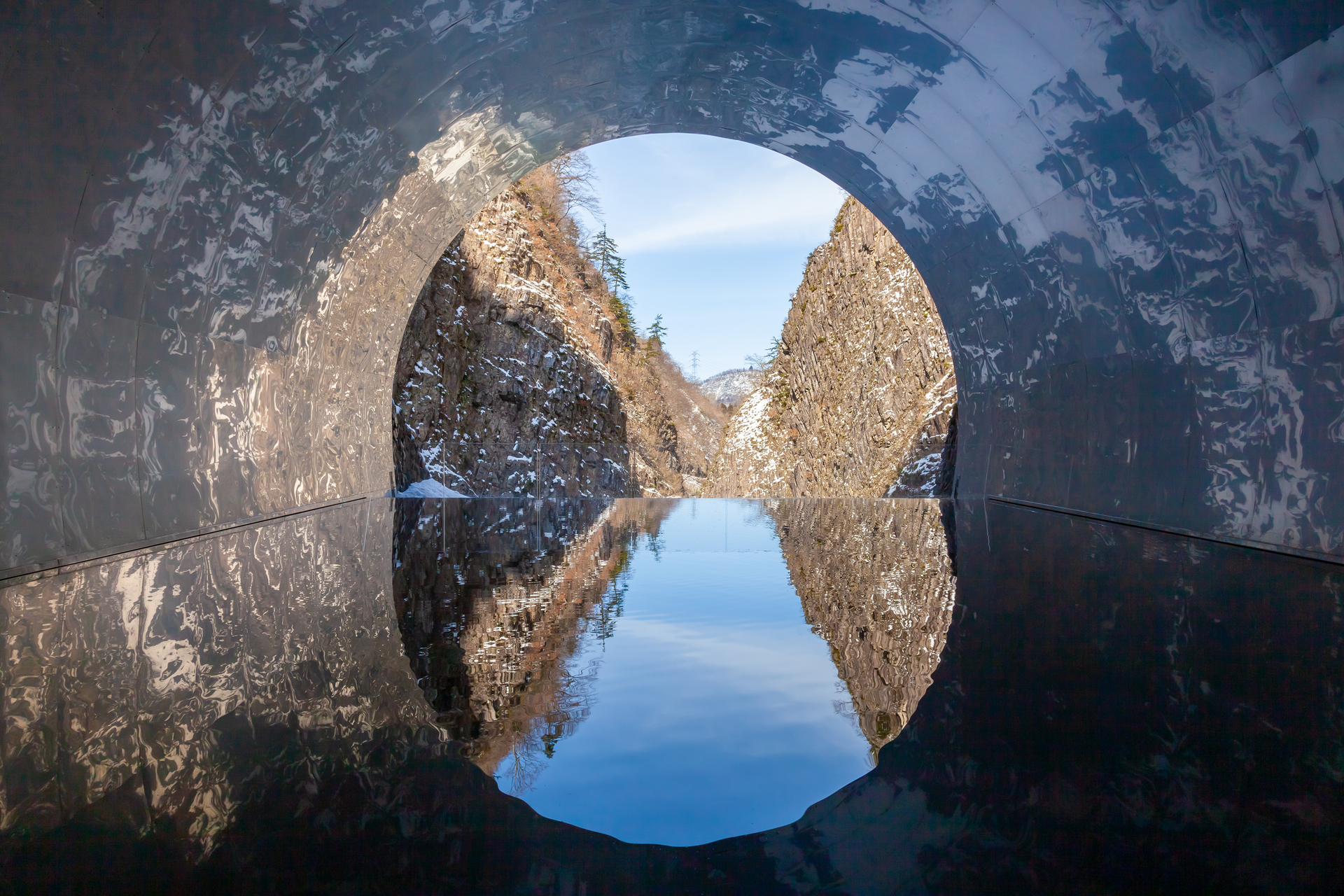 Yasuyuki_Kawano / CC BY 4.0
Kiyotsukyo Gorge Tunnel
Little knownKiyotsukyo Gorge is a 750-meter-long ravine carved by the Kiyotsu River through solid granite, with vertical cliffs risi…
Plus de lieux à Préfecture de Nagano
 キャンター / CC BY-SA 4.0
Hokusai Museum
Little knownThe Hokusai-kan Museum (北斎館) in Obuse displays works by ukiyo-e master Katsushika Hokusai (1760–1849) created during the…
 名古屋太郎 / CC BY 4.0
Hotaka Mountain Range
Little knownThe Hotaka Range runs along the spine of the Northern Japanese Alps, a series of 3,000-meter peaks connected by knife-ed…
 ::::=UT=:::: / CC BY-SA 3.0
Tateyama Kurobe Alpine Route (Nagano side)
Well knownThe Tateyama Kurobe Alpine Route (立山黒部アルペンルート) is a 90km mountain sightseeing route crossing the Northern Japanese Alps…