
Cette page n'a pas encore été traduite et s'affiche en anglais.
Seikan Tunnel Museum
Recherche et rédaction Hinato

Photo: yuukin / Wikimedia Commons (CC BY 3.0) · original
The Seikan Tunnel (青函トンネル) is a 53.85-kilometer railway tunnel connecting Honshu (Aomori) to Hokkaido (Hakodate) beneath the Tsugaru Strait. Completed in 1988 after 24 years of construction, it remains the world's longest undersea tunnel (23.3 kilometers of the tunnel is underwater). The Seikan Tunnel Museum, located at the tunnel's entrance near Tappi Cape, chronicles the engineering feat, the 34 workers who died during construction, and the historical importance of the Honshu-Hokkaido rail link.
The museum features a section of the original tunnel accessible via a 140-meter cable car descent (Japan's only undersea railway experience open to public). At the bottom, you walk through a preserved section of the pilot tunnel — dimly lit, dripping with condensation, and claustrophobic — giving a visceral sense of the construction challenges. Exhibits include drill heads, construction vehicles, geological samples showing the seabed strata, and videos of tunnel-boring operations.
The museum also covers the Seikan Ferry, which operated 1908-1988 until the tunnel replaced it. The ferry sank in 1954 during a typhoon (Toya Maru Disaster), killing 1,430 people — Japan's worst maritime disaster. This tragedy accelerated plans for the undersea tunnel, making the museum a memorial to both engineering triumph and human loss.
The scale of the original construction project is easy to state in numbers and hard to grasp in person until you are standing in the pilot tunnel itself, feeling the dampness in the air and the low ceiling pressing close. Workers bored through fractured volcanic rock under enormous water pressure for over two decades, and the museum's collection of tools and vehicles used during that period, many of them purpose-built for conditions no standard equipment could survive, gives a sense of how much of the project had to be improvised as engineers encountered problems no one had solved before at this depth beneath open water. The site near Tappi Cape is remote even by Aomori standards, reached along a coastal road that itself passes through some of the least-visited scenery in the prefecture, which makes the museum feel less like a curated tourist stop and more like a genuine memorial standing where the actual work happened.
Informations essentielles
Horaires d'ouverture
9:00 AM – 5:00 PM
Fermé: Closed Mondays and December–March (winter closure)
Tarif d'entrée
¥400 (includes cable car descent to undersea tunnel section)
Meilleure saison
April–November | Summer for clear views of Hokkaido across Tsugaru Strait
Durée de visite
1.5-2 hours (museum + cable car + tunnel walk)
Comment s'y rendre
Informations d'accès
Guide d'initié
Réserver un hébergement à proximité
Trouvez un hébergement près de Seikan Tunnel Museum sur ces plateformes de confiance :
Lieux à proximité
Les lieux secrets les plus proches de Seikan Tunnel Museum, par distance à vol d'oiseau.
Stairway National Route 339
Little knownNational Route 339 runs up the Tsugaru peninsula to Cape Tappi, and for 388 metres of its length it is a flight of 362 c…
 D-Chillz / CC BY-SA 4.0
Takayama Inari Shrine
Little knownEveryone photographs the tunnel of torii at Fushimi Inari in Kyoto, packed shoulder to shoulder. Takayama Inari has some…
Hotokegaura
Locally knownTwo kilometres of white volcanic tuff on the western shore of the Shimokita peninsula, eroded by wind and sea into tower…
Shayokan
Locally knownDazai Osamu wrote No Longer Human and The Setting Sun, drowned himself in 1948 at thirty-eight, and is read by essential…
 Amiden / CC BY-SA 3.0
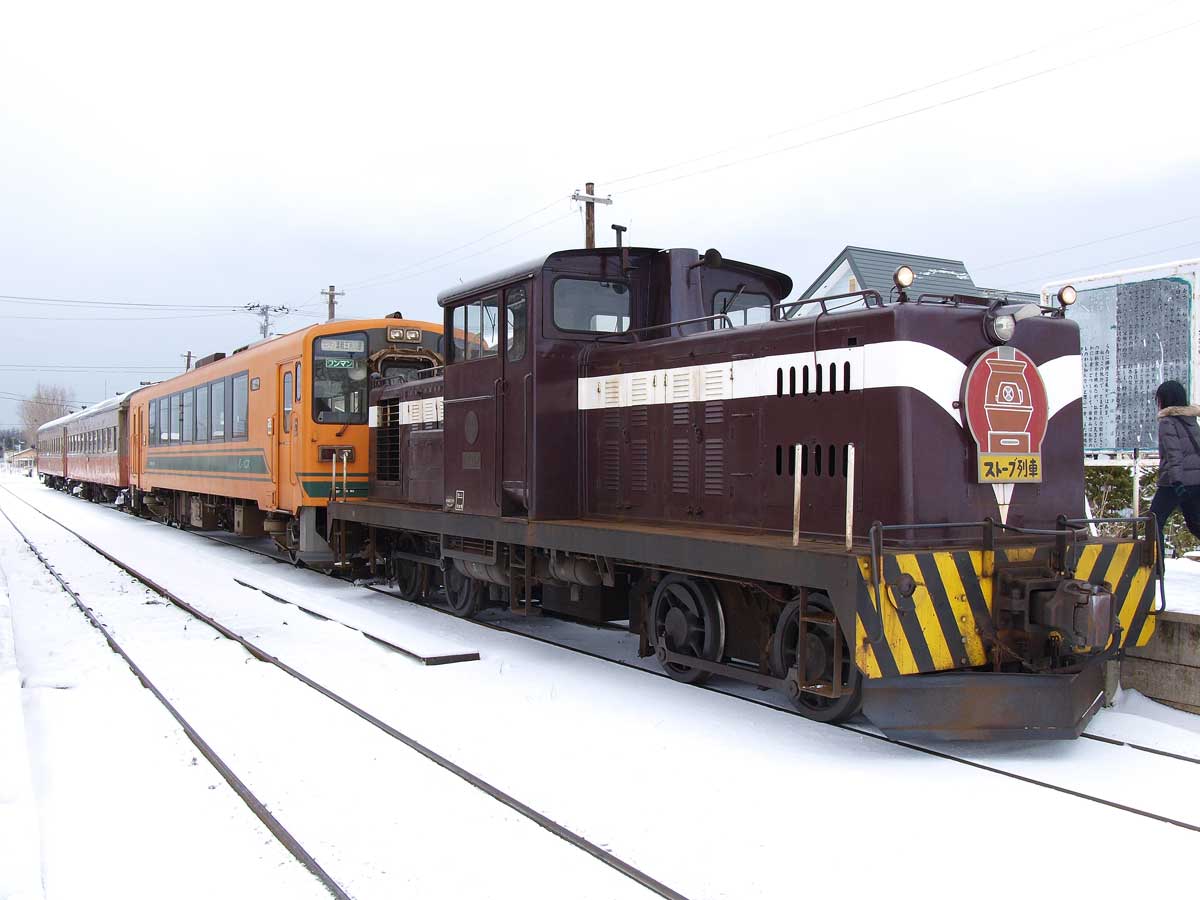
Tsugaru Railway Stove Train
Little knownThe Tsugaru Railway runs twenty kilometres north from Goshogawara across the flat snow country of the Tsugaru plain, and…
 Tomokazu Kitjaima / CC BY-SA 3.0
Tachineputa Matsuri
Little knownGoshogawara Tachineputa Matsuri (立佞武多, held August 4-8) is Aomori's second great summer festival, featuring the world's…
Plus de lieux à Préfecture d'Aomori
Oma Tuna
Little knownOma is the northern tip of Honshu, a small town on the Tsugaru Strait, and its tuna sells for more than any other tuna i…
 掬茶 / CC BY-SA 4.0
Fujita Memorial Garden
Little knownFujita Kenichi was born in Hirosaki, went to Tokyo, became the first chairman of the Japan Chamber of Commerce and Indus…
Aji no Sapporo Onishi
Little knownMiso curry milk ramen is exactly what it says: a miso base, curry powder, milk, and a pat of butter on top, with bean sp…