
이 페이지는 아직 번역되지 않아 영어로 표시됩니다.
Taimeshi
조사·집필 Hinato

Photo: Fred Cherrygarden / Wikimedia Commons (CC BY-SA 4.0) · original
Taimeshi (鯛めし, 'sea bream rice') is Ehime's signature dish, existing in two completely different regional styles: Matsuyama-style uses cooked rice topped with raw sea bream sashimi, egg yolk, sesame, and special sauce (similar to ochazuke). Uwajima-style bakes a whole tai (sea bream) with rice in a clay pot, creating a flavorful pilaf where rice absorbs the fish oils.
Both styles celebrate Ehime's premium tai caught in the Seto Inland Sea, where strong currents produce firm, flavorful fish.
기본 정보
영업시간
Lunch and dinner service at recommended restaurants. Goshiki Somen (Matsuyama): approximately 11:00 AM – 9:00 PM. Kadoya (Uwajima): approximately 11:00 AM – 9:00 PM.
휴무일: Varies by restaurant. Most closed one day per week — confirm before visiting. Reservation recommended for dinner.
입장료
Matsuyama-style taimeshi: approximately ¥1,800. Uwajima-style taimeshi: approximately ¥1,600. No entry fee — restaurant meal pricing.
베스트 시즌
Year-round, but peak tai (sea bream) quality is spring (March–May) when fish fatten before spawning. Both styles available year-round at recommended restaurants.
방문 소요 시간
60–90 minutes for a sit-down taimeshi meal. Can combine Matsuyama-style lunch at Dogo Onsen area with Uwajima-style dinner if visiting Uwajima Castle.
가는 방법
교통 정보
인사이더 가이드
주변 스팟
Taimeshi에서 직선거리로 가장 가까운 히든 스팟들입니다.
 Daichan / CC BY-SA 3.0
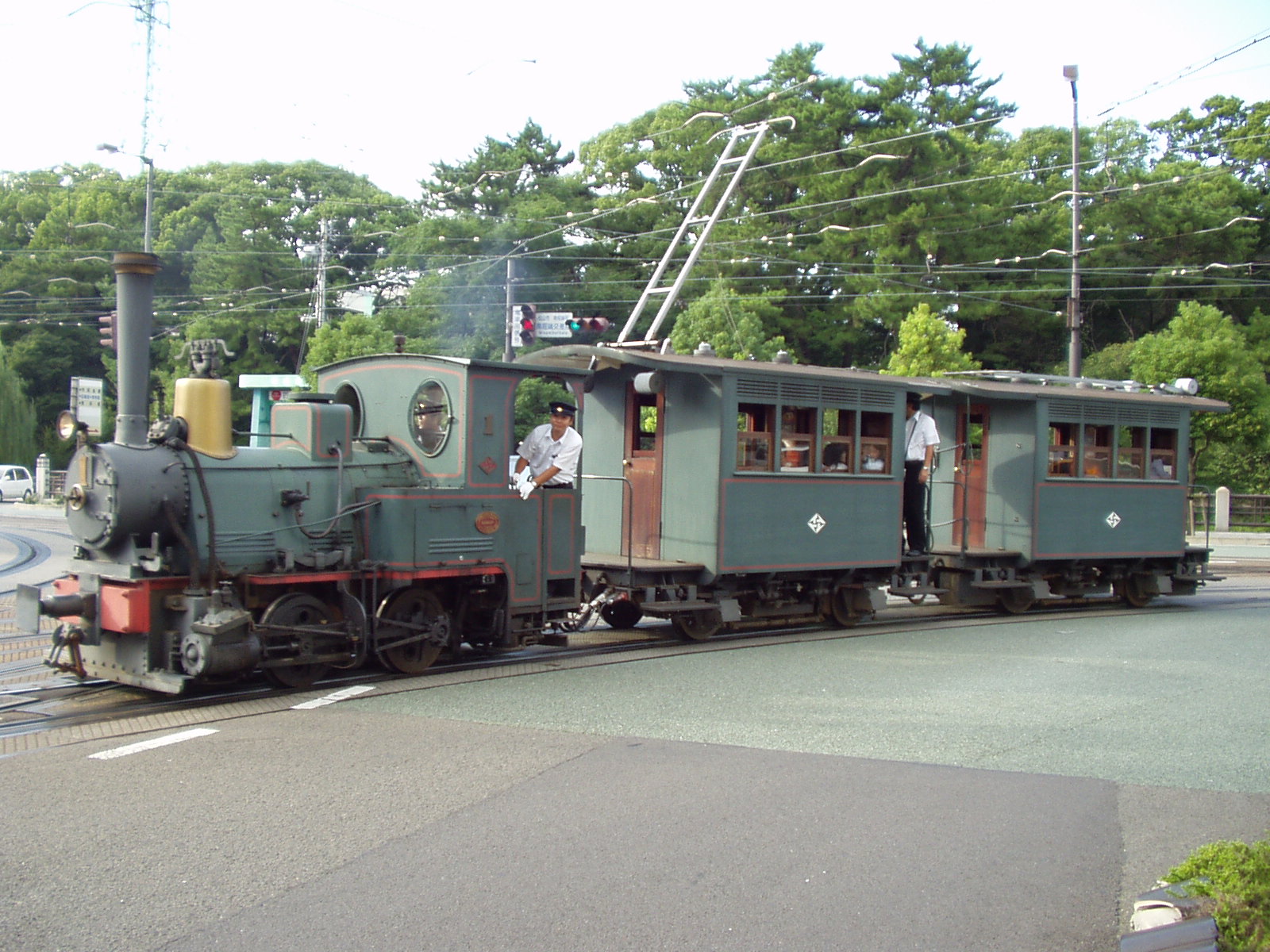
Botchan Ressha
Little knownThe Botchan Ressha is a restored vintage steam locomotive (actually diesel-powered replica) operating as a tourist tram…
 円周率3パーセント / CC BY-SA 4.0
Jakoten
Locally knownJakoten (じゃこ天) is Ehime's signature fish cake made from small fish (jako — tiny sardines or anchovies) ground whole with…
 Miyuki Meinaka / CC BY-SA 4.0
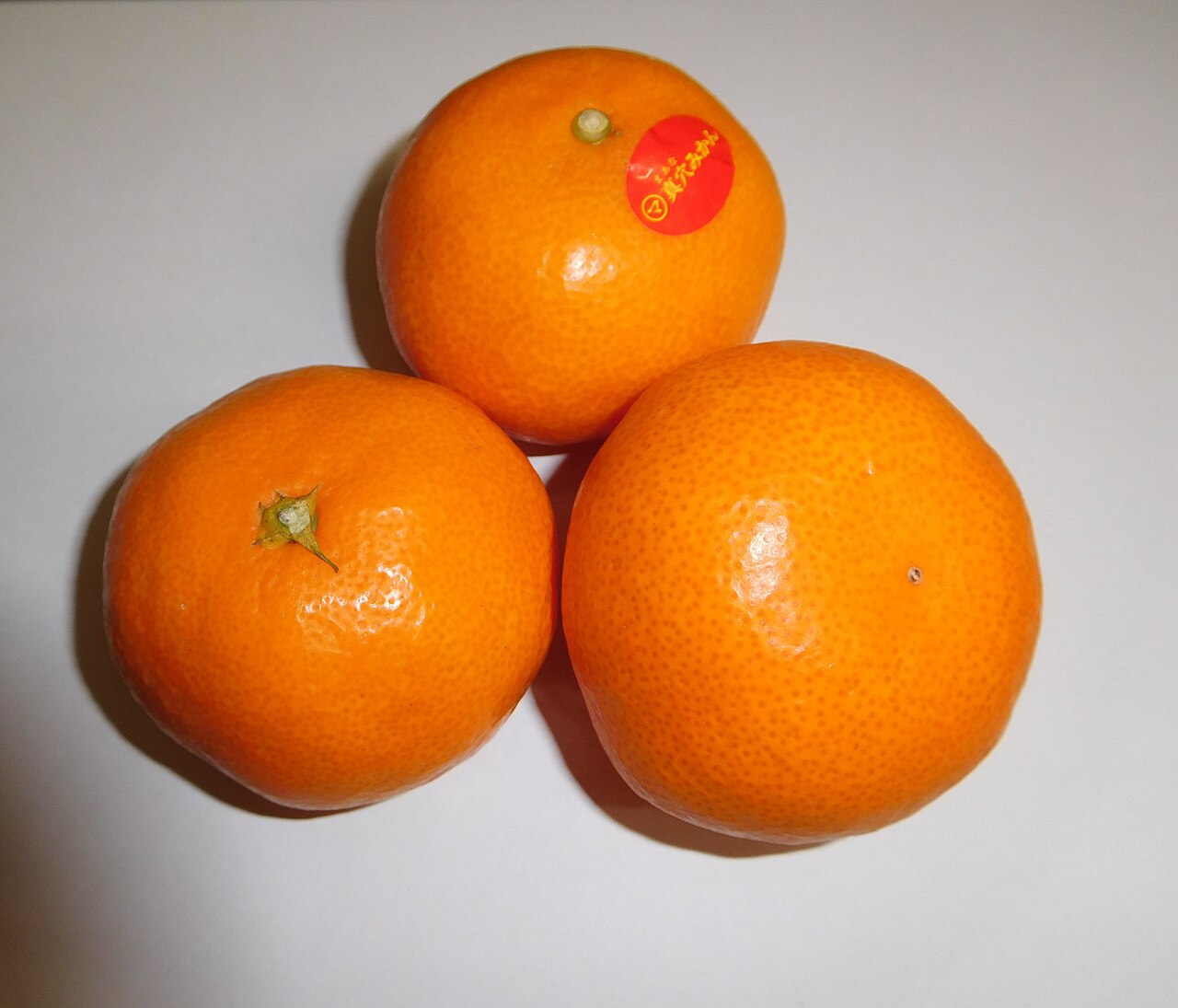
Ehime Mikan
Locally knownEhime Prefecture produces 20% of Japan's mikan (mandarin oranges), making citrus the region's defining agricultural prod…
 z tanuki / CC BY 3.0
Matsuyama Castle
Little knownMatsuyama Castle occupies the 132-meter summit of Mt. Katsuyama in central Matsuyama City, one of only twelve Japanese c…
Nanrakuen Garden
Locally knownNanrakuen is a traditional Japanese landscape garden built in 1688 for the lord of Matsuyama Domain, featuring seasonal…
 lienyuan lee / CC BY 3.0
Dogo Onsen Honkan
FamousDogo Onsen Honkan stands three stories tall in dark wood and white plaster, looking like a castle designed for bathing i…
에히메현의 다른 스팟 더 보기
 abu_9495 / CC BY 3.0
Shimonada Station
Little knownA single unstaffed platform on the Yosan Line with a wooden bench, a corrugated shelter, and the Iyo-nada sea directly b…
 osamu tanaka / CC BY-SA 3.0
Futami Seaside Park
Little knownThe Futami coast faces due west across the Iyo-nada, and the town built a park around that single fact. There is a 380-m…
 이미지 일러스트 (사진이 아닙니다)
Omogo Gorge
Little knownOmogo is the gorge at the foot of Mt. Ishizuchi, the highest mountain in western Japan, cut into granite so that the riv…